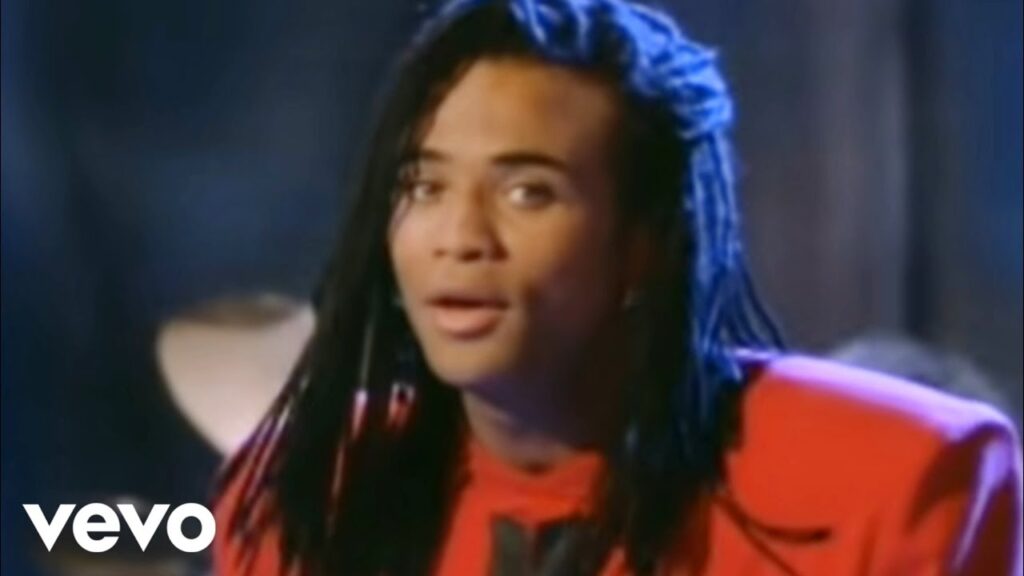
Released in 1988, “Girl You Know It’s True” launched Milli Vanilli into international superstardom and became one of the defining pop hits of the late 1980s. Fronted by Rob Pilatus and Fab Morvan, the duo seemed to have everything MTV was looking for: striking looks, energetic choreography, and an undeniable stage presence. Combined with a polished dance-pop sound, the song quickly climbed the charts around the world and established Milli Vanilli as one of the biggest acts of the era.
Today, it’s impossible to discuss “Girl You Know It’s True” without acknowledging the lip-syncing scandal that ultimately ended the group’s career. However, separating the song itself from the controversy reveals an exceptionally well-crafted pop record. Long before the truth became public, listeners embraced it because of its infectious rhythm, memorable hooks, and slick production—not because of the identities of the vocalists.
More than three decades later, the song remains one of the most recognizable dance-pop singles of the 1980s.
Song Overview
“Girl You Know It’s True” is a joyful declaration of love wrapped in an irresistible dance groove. Rather than telling a complicated story, the song focuses on reassuring a romantic partner that the feelings being expressed are genuine.
Its simplicity is one of its greatest strengths.
The lyrics are direct and easy to remember, while the upbeat tempo encourages dancing from the opening beat. The song perfectly captures the optimistic, energetic spirit that dominated late-1980s pop music.
It’s the kind of recording that immediately lifts the mood.
Songwriting
Written by Sean “Famous” Kelly, Bill Pettaway Jr., Kevin Liles, Rodney Holloman, and Kayode Adeyemo, the song demonstrates how effective straightforward pop songwriting can be.
The verses move quickly toward a chorus that is instantly memorable. The repetition reinforces the central theme without becoming monotonous, making the song easy to sing along with after only a single listen.
The writers wisely emphasized rhythm and melody over lyrical complexity.
That decision helped transform the song into an international dance-floor favorite.
Performance
Although Rob Pilatus and Fab Morvan appeared in the music videos and live performances, the vocals on the recording were performed primarily by session singers, including Charles Shaw, John Davis, Brad Howell, and others.
Knowing that history changes how many people view the song, but it doesn’t diminish the quality of the vocal performances themselves.
The singers deliver smooth, soulful performances filled with confidence and energy. Their voices blend naturally with the dance production, creating a polished sound that perfectly suited late-1980s radio.
Meanwhile, Pilatus and Morvan deserve credit for their charisma and visual appeal, which helped make the song a cultural phenomenon through MTV and live appearances.
Production
Produced by Frank Farian, “Girl You Know It’s True” reflects the producer’s remarkable talent for crafting commercially successful pop records.
The arrangement combines drum machines, synthesizers, sampled percussion, bright keyboards, and layered vocal harmonies into a polished dance track that feels energetic without becoming cluttered.
Every element is carefully placed.
The groove remains steady throughout, while the production continually introduces small variations that keep the song engaging from beginning to end.
Even decades later, it remains one of the better-produced dance-pop recordings of its era.
Standout Moments
Several elements make the song unforgettable:
- An instantly recognizable chorus.
- Smooth, professional vocal performances.
- A dance groove that remains infectious.
- Frank Farian’s polished production.
- Strong balance between pop accessibility and club-ready energy.
The opening rhythm alone immediately transports listeners back to the late 1980s.
Weak Points
The obvious challenge in evaluating “Girl You Know It’s True” is the controversy surrounding Milli Vanilli.
The revelation that Rob Pilatus and Fab Morvan did not perform the vocals permanently changed the public’s perception of the group and overshadowed the quality of the music itself.
Viewed strictly as a recording, however, the song has relatively few musical weaknesses.
Some listeners may find the lyrics repetitive, and the production is unmistakably rooted in the late 1980s. Yet those characteristics are common among successful dance-pop records of the period and contribute to its nostalgic appeal.
Legacy
“Girl You Know It’s True” became a worldwide hit, reaching No. 2 on the Billboard Hot 100 and launching one of the most successful debut albums of the late 1980s. The song helped establish Milli Vanilli as global stars and paved the way for additional hits including “Baby Don’t Forget My Number,” “Blame It on the Rain,” and “Girl I’m Gonna Miss You.”
Unfortunately, the group’s spectacular rise was followed by one of the biggest scandals in music history. In 1990, it was revealed that Rob Pilatus and Fab Morvan had not sung on their recordings, leading to the unprecedented revocation of the Grammy Award they had received for Best New Artist.
Despite that controversy, “Girl You Know It’s True” has endured as an important chapter in pop history. It serves as both an outstanding example of late-1980s dance-pop craftsmanship and a reminder of how authenticity became an increasingly important issue within the music industry.
Today, many listeners can appreciate the song for what it is: an exceptionally catchy pop record whose legacy is inseparable from one of the most fascinating stories in modern music.
Final Score
8.5/10
“Girl You Know It’s True” is a terrific dance-pop single whose musical strengths remain undeniable despite the controversy surrounding its release. With its infectious groove, memorable chorus, polished production, and strong vocal performances, it captures the sound of late-1980s pop at its commercial peak. While the scandal forever altered the group’s reputation, it shouldn’t erase the craftsmanship behind a song that continues to fill dance floors and spark nostalgia more than thirty-five years after its debut.
This post has already been read 87 times!