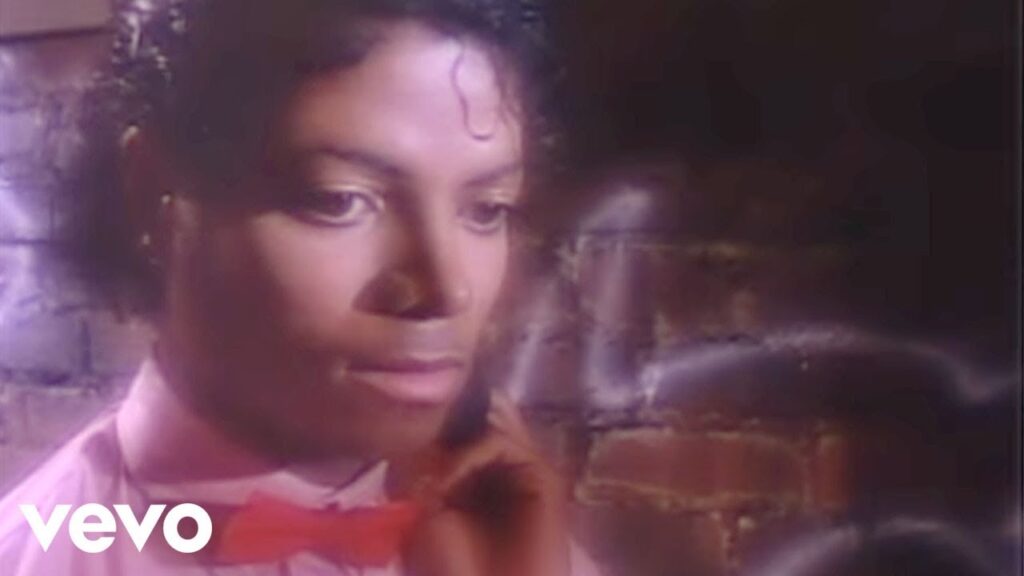
When discussing the greatest songs ever recorded, a handful of titles appear in nearly every conversation. Michael Jackson’s “Billie Jean” isn’t just one of those songs—it often sits near the very top of the list. Released in January 1983 as the second single from Thriller, “Billie Jean” became a worldwide phenomenon that elevated Jackson from an already successful performer into arguably the biggest pop star the world had ever seen.
Its unforgettable bassline, haunting atmosphere, and gripping story made it unlike anything dominating radio at the time. Combined with a groundbreaking music video and one of the most iconic live performances in television history, “Billie Jean” became far more than a hit single. It became a cultural milestone that forever changed the music industry.
More than four decades after its release, the song remains a staple on radio stations, streaming playlists, dance floors, and “greatest songs” lists. Few recordings have maintained their relevance so completely, and even fewer continue to sound as fresh today as they did in 1983.
A Story Wrapped in Mystery
Unlike many pop songs of its era, “Billie Jean” tells a compelling story. Michael Jackson wrote the song himself, inspired by experiences with obsessive fans and stories of false paternity claims that occasionally surrounded celebrities. Rather than creating a straightforward autobiography, Jackson transformed those ideas into a suspense-filled narrative.
The song follows a narrator confronted by a woman named Billie Jean, who insists he is the father of her child. Throughout the song, he repeatedly denies the accusation while warning listeners to be careful about who they trust.
What makes the lyrics so effective is their ambiguity. Jackson never fully explains every detail or provides a neat conclusion. Listeners are left wondering exactly what happened, making the song feel almost like a short psychological thriller rather than a traditional pop tune.
That sense of mystery keeps people coming back decades later.
An Opening Everyone Recognizes
Few songs in history can be identified within the first two seconds.
“Billie Jean” accomplishes exactly that.
The song opens with a crisp drumbeat before introducing one of the most recognizable basslines ever recorded. Simple, repetitive, and hypnotic, it immediately creates tension without becoming flashy.
Legend has it that producer Quincy Jones initially suggested shortening the introduction because he thought radio audiences would lose patience. Jackson strongly disagreed, believing every second of the buildup was essential.
History proved him right.
That gradual introduction allows anticipation to build before Jackson’s vocals finally enter, making the song even more captivating.
Sometimes the greatest creative decisions come from trusting your instincts.
Quincy Jones’ Masterful Production
Although Michael Jackson wrote “Billie Jean,” producer Quincy Jones played a crucial role in shaping its final sound.
Jones understood that restraint could be just as powerful as complexity. Every instrument has room to breathe. The drums are crisp without sounding harsh. The bass sits perfectly in the mix, driving the song forward while allowing Jackson’s vocals to remain the focal point.
The production never feels cluttered. Strings, keyboards, and percussion appear only when needed, gradually increasing the song’s intensity instead of overwhelming the listener.
That careful balance is one reason “Billie Jean” has aged remarkably well. While many early-1980s productions sound unmistakably tied to their era, this recording still feels modern, clean, and powerful.
Its influence can still be heard across pop, R&B, hip-hop, funk, and electronic music.
Michael Jackson’s Extraordinary Vocal Performance
Jackson’s vocal performance is one of the song’s greatest strengths.
Rather than relying on constant vocal acrobatics, he builds emotion gradually throughout the performance. His delivery begins calmly before becoming increasingly urgent as the story unfolds.
His trademark vocal hiccups, gasps, whispers, and rhythmic exclamations became part of the song’s identity. Instead of simply singing over the groove, Jackson used his voice almost like another percussion instrument.
Every breath feels intentional.
Every phrase lands exactly where it should.
By the song’s climax, listeners can almost feel the mounting anxiety of the narrator, making the performance both believable and emotionally engaging.
Very few singers possessed Jackson’s combination of technical precision and raw emotion.
The Music Video That Changed MTV
The success of “Billie Jean” wasn’t limited to radio.
Its music video became one of the defining moments in television history.
Directed by Steve Barron, the video features Jackson walking through city streets where each step illuminates glowing sidewalk tiles beneath his feet. Everyday objects come alive as he passes, creating a dreamlike atmosphere that perfectly complements the song’s mysterious mood.
At the time, MTV was still a relatively young network, and Jackson’s success helped redefine what music videos could accomplish. Rather than serving as simple promotional clips, they became cinematic events with memorable visual storytelling.
The video’s enormous popularity helped pave the way for bigger production budgets and more ambitious concepts throughout the music industry.
One Performance That Became Legendary
If the song made Michael Jackson a superstar, one live performance turned him into a legend.
During Motown 25: Yesterday, Today, Forever in 1983, Jackson performed “Billie Jean” wearing a black sequined jacket, white socks, loafers, and a single sparkling glove.
Midway through the performance, he unveiled the moonwalk to a worldwide television audience.
The crowd erupted instantly.
Although versions of the dance move had existed previously, Jackson perfected it and made it forever associated with his name.
That performance instantly became one of the most iconic moments in entertainment history. Millions attempted to imitate the dance, and Jackson’s image became inseparable from the song itself.
Few performances have had such an immediate and lasting impact on popular culture.
Commercial Success Beyond Compare
“Billie Jean” became one of the biggest singles of the 1980s, reaching number one in numerous countries and dominating radio for months.
More importantly, it helped propel Thriller toward becoming the best-selling album in music history.
The song won multiple Grammy Awards and continues to receive recognition from critics and historians as one of the greatest recordings ever made.
Its success also demonstrated that pop music could combine sophisticated songwriting, memorable storytelling, exceptional production, and commercial appeal without sacrificing artistic ambition.
That balance became the blueprint for countless artists who followed.
A Lasting Legacy
The influence of “Billie Jean” extends far beyond its chart performance.
Its bassline has been studied by musicians around the world.
Its production techniques remain examples of how less can often accomplish more.
Its music video helped transform MTV into a global cultural force.
Its live performances raised expectations for what concert entertainment could become.
Perhaps most importantly, the song captured Michael Jackson at the precise moment he evolved from an enormously talented entertainer into an international icon.
Every element aligned perfectly—songwriting, production, performance, visuals, choreography, and timing.
That combination is incredibly rare.
Many artists record great songs.
Very few record songs that permanently reshape popular culture.
Final Thoughts
“Billie Jean” represents everything that made Michael Jackson one of the defining artists of modern music. Its unforgettable groove, cinematic storytelling, immaculate production, and extraordinary vocal performance combine to create a recording that feels timeless rather than nostalgic.
More than forty years after it first captivated audiences, the song continues to inspire musicians, producers, dancers, and fans around the world. Whether heard through headphones, on a dance floor, or blasting through a stadium sound system, “Billie Jean” still carries the same electricity it did upon its release.
That enduring power is the hallmark of a true classic. It isn’t simply remembered because it was successful—it is remembered because it set a standard that few songs have ever matched. In every sense of the word, “Billie Jean” remains one of the greatest pop recordings ever made.
This post has already been read 163 times!