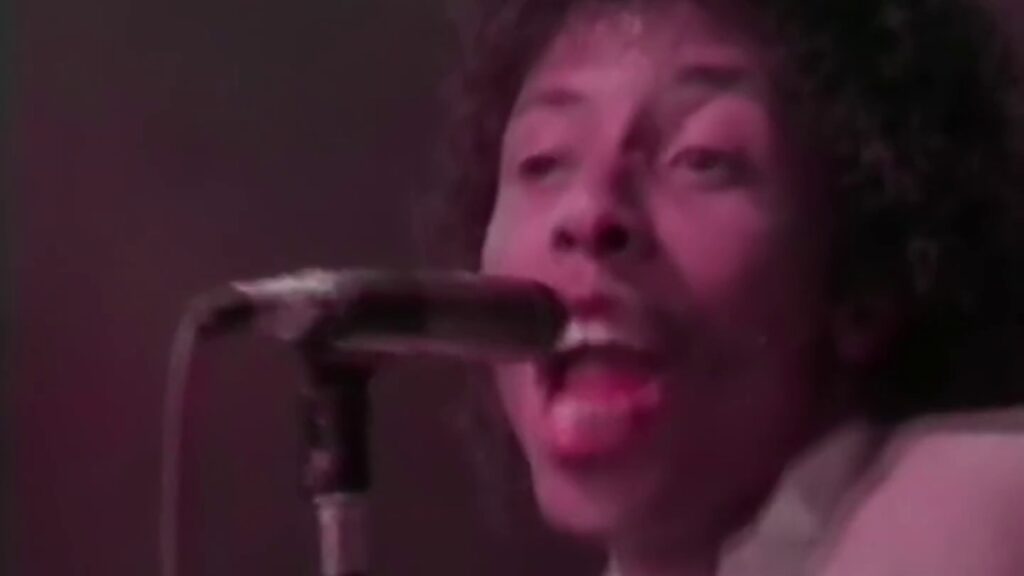
Released in 1982, “Let It Whip” became the defining hit for the Dazz Band and one of the signature funk songs of the decade. Arriving during a period when disco had faded and synthesizers were reshaping popular music, the song managed to blend classic funk grooves with polished R&B production. It topped the Billboard R&B chart, reached the Top 5 on the Billboard Hot 100, and earned the group a Grammy Award for Best R&B Performance by a Duo or Group with Vocal.
More than four decades later, “Let It Whip” remains a staple at parties, weddings, sporting events, and retro radio stations. Its irresistible groove, unforgettable bass line, and energetic horn arrangements have allowed it to outlive many of the trends that surrounded it. The song captures everything that made early-’80s funk exciting while remaining timeless enough to keep dance floors moving today.
The Story Behind the Song
The Dazz Band formed in Cleveland, Ohio, during the late 1970s. Their name came from combining the words “dance” and “jazz,” reflecting a musical style that mixed funk, jazz, soul, and R&B. Before scoring their breakthrough, the group had developed a loyal following through constant touring and several modestly successful albums.
“Let It Whip” appeared on the band’s fourth album, Keep It Live. Written by Reggie Andrews and Leon “Ndugu” Chancler, the song wasn’t penned by members of the band, but they made it entirely their own through a lively performance and tight musicianship.
Lead singer Skip Martin delivered the vocal with confidence and enthusiasm, while the rest of the band supplied intricate instrumental work that highlighted their years of performing together. Rather than relying on studio tricks, much of the song’s energy came from musicians playing together with remarkable precision.
The Sound
One reason “Let It Whip” has endured is its perfect balance of live instrumentation and modern production. The opening drum pattern immediately establishes a danceable groove before the bass locks in with rhythmic guitar, keyboards, and sharp brass accents.
Unlike many songs from the early 1980s that leaned heavily into electronic sounds, “Let It Whip” retained the warmth of a live funk band. The horns punch through the mix with authority, while the rhythm section never lets the momentum fade.
The bass deserves particular recognition. It isn’t flashy simply for the sake of showing off; instead, every note serves the groove. Combined with crisp drumming and bright keyboard textures, it creates an infectious rhythm that’s impossible to ignore.
The production is clean without sounding sterile. Every instrument occupies its own space, making repeated listens rewarding because new details continually emerge.
Performance and Musicianship
The Dazz Band was filled with accomplished musicians, and “Let It Whip” showcases that talent from beginning to end.
Skip Martin’s vocal performance strikes an ideal balance between smoothness and excitement. Rather than overpowering the arrangement, his voice rides comfortably on top of the groove, giving the song its playful personality.
The horn section deserves equal praise. Their precise stabs and melodic fills provide excitement without cluttering the arrangement. Funk has always relied heavily on rhythm, but the brass gives this recording much of its unmistakable character.
Meanwhile, the rhythm section demonstrates exceptional discipline. Every player contributes exactly what the song needs without unnecessary embellishment, resulting in a remarkably tight performance that feels effortless despite its complexity.
Why It Worked
Several factors combined to make “Let It Whip” a massive success.
First, it arrived during a transitional period for R&B. Audiences were embracing synthesizers and polished production, but there was still tremendous appreciation for authentic musicianship. The Dazz Band successfully bridged both worlds.
Second, the groove is universally appealing. Whether someone is a dedicated funk fan or simply enjoys catchy dance music, the rhythm immediately draws listeners in.
Third, the song avoids feeling tied to a particular fad. While unmistakably an early-’80s recording, it doesn’t suffer from many of the production clichés that have made some songs from the era feel dated.
Finally, its upbeat energy gives it incredible replay value. DJs continue to rely on it because it consistently fills dance floors regardless of the audience’s age.
The Legacy
Although the Dazz Band recorded numerous albums and charted additional R&B hits, “Let It Whip” became the song most closely associated with the group.
Its Grammy win elevated the band’s profile, and the song continues appearing on countless compilations celebrating funk, soul, and the music of the 1980s. It has also been featured in films, television shows, commercials, and sporting events, introducing new generations to the band’s signature sound.
Musicians frequently cite the recording as an example of how to build a groove without overcrowding an arrangement. Its balance between technical skill and accessibility remains a model for funk and R&B performers.
Even listeners unfamiliar with the Dazz Band often recognize the opening moments instantly, proof of just how deeply the song has embedded itself into popular culture.
Final Thoughts
“Let It Whip” is one of those rare records that succeeds on every level. It showcases outstanding musicianship while remaining irresistibly fun. Its polished production has aged gracefully, its rhythm remains infectious, and its performance captures the excitement of a band operating at its peak.
Many dance hits fade as musical fashions change, but this one continues to thrive because its foundation is built on exceptional playing rather than temporary trends. The combination of funky bass lines, vibrant horns, memorable vocals, and impeccable timing gives the recording lasting appeal.
For anyone exploring classic funk or the evolution of R&B during the early 1980s, “Let It Whip” remains essential listening. It stands not only as the Dazz Band’s greatest achievement but also as one of the finest dance records of its era—a song that still delivers exactly what great funk is supposed to do: make people move.
This post has already been read 103 times!