The Comeback Hit That Put Alice Cooper Back on Top
Released in July 1989, “Poison” wasn’t just another hit for Alice Cooper—it was one of the greatest comebacks in rock history. After spending much of the 1980s struggling to match the commercial success of his earlier career, Cooper returned with a song that introduced him to a new generation while reminding longtime fans why he had become one of rock’s most enduring performers.
Featured on the album Trash, “Poison” became Cooper’s biggest hit in more than a decade, reaching the Top 10 in numerous countries and climbing to No. 7 on the Billboard Hot 100. The song combined the theatrical edge that had always defined Alice Cooper with the polished sound of late-1980s hard rock, creating a perfect blend of glam metal, arena rock, and radio-friendly hooks.
Today, “Poison” remains one of Alice Cooper’s signature songs and one of the defining rock singles of the final years of the 1980s.
A Career in Need of Revival
Alice Cooper had already cemented his place in rock history during the early 1970s with classics like “School’s Out,” “No More Mr. Nice Guy,” and “I’m Eighteen.” His outrageous stage shows, complete with guillotines, snakes, fake blood, and horror-inspired theatrics, helped invent the concept of shock rock.
By the 1980s, however, musical trends had changed dramatically. Cooper battled personal issues, including alcoholism, and while he continued recording albums, none achieved the commercial impact of his classic work.
Everything changed when producer Desmond Child entered the picture.
Child had become one of the hottest songwriters and producers in rock, crafting major hits for Bon Jovi, Aerosmith, Kiss, and countless others. He understood exactly how to combine massive hooks with hard rock guitars, making him the perfect collaborator for Cooper’s comeback.
The result was Trash, and its centerpiece was “Poison.”
Songwriting
Unlike many of Alice Cooper’s earlier songs, “Poison” isn’t built around horror themes or dark humor.
Instead, it explores emotional obsession.
The narrator knows the relationship is unhealthy. Every instinct tells him to walk away, yet he can’t resist returning. Love becomes something addictive—something dangerous that feels impossible to escape.
The title serves as the central metaphor. The relationship isn’t simply difficult; it’s toxic.
That universal concept helped broaden the song’s appeal beyond traditional hard rock audiences. Nearly everyone has experienced a situation where they knew something wasn’t good for them but couldn’t let go.
Desmond Child’s writing shines throughout. The verses steadily build tension before exploding into one of the biggest choruses of the decade.
It’s catchy enough for pop radio while remaining heavy enough for rock fans.
Alice Cooper’s Performance
One of the biggest surprises of “Poison” is just how strong Alice Cooper sounds.
His raspy voice had always been distinctive, but here it carries a confidence and emotional intensity perfectly suited to the material.
Rather than relying on theatrical character voices, Cooper sings directly and honestly, making the emotional conflict feel believable.
His delivery gives the song weight without sacrificing its commercial appeal.
The vocal performance also proves that Cooper could compete with younger hard rock singers during an era dominated by Bon Jovi, Skid Row, Def Leppard, and Mötley Crüe.
Production
Producer Desmond Child and engineer Sir Arthur Payson crafted one of the definitive hard rock productions of the late 1980s.
Highlights include:
- Massive distorted guitar riffs
- Bright arena-rock keyboards
- Huge layered backing vocals
- Powerful snare drum
- Driving bass lines
- Crystal-clear mix
Everything feels enormous.
Unlike some hair metal recordings that buried melodies beneath excessive guitar work, “Poison” places equal emphasis on hooks and heaviness.
The production captures everything that made late-’80s hard rock so commercially successful without sounding artificial.
Even decades later, it remains an outstanding example of arena rock production.
The Guitar Work
The guitar performance deserves special recognition.
Crunchy rhythm guitars drive the verses while cleaner textures create space before each chorus explodes.
The solo fits the song perfectly—not overly flashy, but melodic enough to remain memorable.
Like the rest of the arrangement, every guitar part serves the song rather than competing for attention.
Chart Success
“Poison” became Alice Cooper’s biggest hit since the early 1970s.
It reached:
- No. 7 on the Billboard Hot 100
- Top 10 in the United Kingdom
- Top 10 in Australia
- Strong chart positions throughout Europe and Canada
The success of the single helped Trash become Cooper’s highest-selling album in years and introduced millions of younger listeners to one of rock’s true pioneers.
It also revitalized his touring career, which has remained remarkably successful ever since.
Why It Worked
A Massive Chorus
The chorus is impossible to forget.
Desmond Child specialized in writing arena-sized hooks, and “Poison” ranks among his very best.
Timeless Theme
Everyone understands being attracted to something—or someone—they know they should avoid.
That emotional conflict gives the song universal appeal.
Perfect Timing
Released during the peak of glam metal, “Poison” fit comfortably alongside Bon Jovi, Whitesnake, Warrant, and Def Leppard while still sounding unmistakably like Alice Cooper.
A Reinvigorated Alice Cooper
Rather than chasing trends awkwardly, Cooper embraced modern production while remaining true to his personality.
The result felt authentic rather than forced.
The Music Video
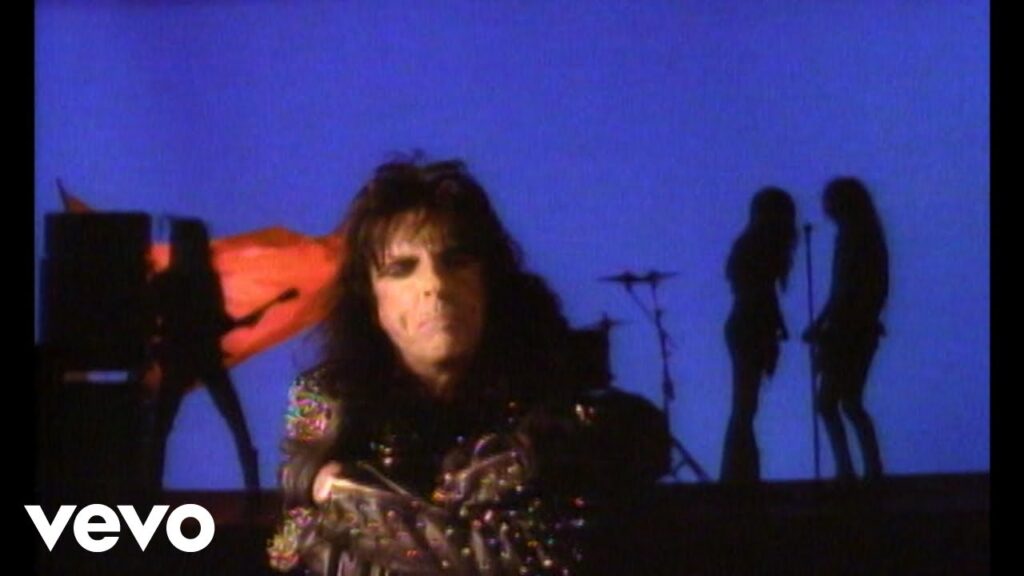
The music video reflected the glamorous, theatrical style that defined late-1980s hard rock.
Filled with dramatic lighting, mysterious imagery, and Alice Cooper’s trademark charisma, the video became a staple on MTV.
Unlike the elaborate horror productions of his earlier years, the visuals focused more on style than shock value, helping introduce Cooper to younger audiences unfamiliar with his legendary stage shows.
The heavy MTV rotation played a major role in turning “Poison” into an international smash.
Legacy
Today, “Poison” occupies a unique place in Alice Cooper’s catalog.
It isn’t merely remembered as a comeback single—it has become one of the essential songs of his entire career.
Concert audiences continue to sing every word, and the song regularly appears on lists of the greatest rock songs of the 1980s.
Perhaps even more impressively, “Poison” proved that veteran artists could reinvent themselves without abandoning their identity.
Rather than trying to recreate the early 1970s, Alice Cooper embraced contemporary production and songwriting while keeping the personality that made him famous.
Few comeback stories have been as successful.
Final Thoughts
“Poison” is everything a great hard rock single should be. It combines memorable songwriting, outstanding production, powerful vocals, and one of the decade’s biggest choruses into a song that still sounds exciting more than thirty-five years later.
For Alice Cooper, it represented not just a commercial comeback but an artistic one as well. It reminded the music world that one of rock’s original showmen still had plenty left to offer.
Whether you’re a lifelong Cooper fan or someone discovering his music for the first time, “Poison” remains one of the easiest songs to recommend.
This post has already been read 43 times!