How Elton John Turned Heartbreak Into One of the Most Uplifting Hits of the 1980s
Released in May 1984 as the lead single from Breaking Hearts, “Sad Songs (Say So Much)” became one of Elton John’s biggest hits of the decade. Despite its melancholy title, the song is anything but depressing. Instead, it celebrates the strange comfort that music can provide during life’s most difficult moments, reminding listeners that sometimes the saddest songs are exactly the ones we need to hear.
The single reached No. 5 on the Billboard Hot 100 and became a Top 10 hit in several countries, helping reestablish Elton as one of pop music’s biggest stars after a few years of uneven commercial success. Packed with soaring melodies, driving piano, and one of Bernie Taupin’s most relatable sets of lyrics, “Sad Songs (Say So Much)” remains one of the strongest examples of Elton John’s ability to transform universal emotions into unforgettable pop music.
More than forty years after its release, the song continues to resonate because its message has never gone out of style.
A Return to Familiar Ground
By 1984, Elton John had already enjoyed one of the most remarkable careers in popular music. His legendary run throughout the 1970s produced countless classic albums and hit singles, but the early years of the new decade proved more inconsistent. While he remained a major touring attraction, chart success wasn’t quite as automatic as it had once been.
Breaking Hearts marked something of a reunion. Elton once again worked closely with longtime lyricist Bernie Taupin, and the chemistry between the two was immediately apparent.
Rather than chasing every new musical trend of the era, they focused on what they did best: writing memorable songs built around emotional honesty, irresistible melodies, and Elton’s unmistakable piano playing.
“Sad Songs (Say So Much)” was the perfect introduction to the album.
Songwriting
Bernie Taupin’s lyrics revolve around a simple but powerful observation.
When people are hurting, they often turn to music that reflects exactly how they feel. Rather than making sadness worse, those songs provide reassurance that someone else has experienced the same emotions.
It’s an idea that almost everyone can relate to.
Whether recovering from heartbreak, grieving a loss, or simply having a difficult day, many people instinctively reach for music that mirrors their mood instead of trying to escape it.
Taupin captures that emotional truth without becoming overly sentimental. The lyrics celebrate music’s healing power while acknowledging that sadness is simply part of being human.
The chorus is wonderfully uplifting, transforming what appears to be a melancholy subject into an optimistic anthem about finding comfort through shared experiences.
Elton John’s Performance
Elton John delivers one of his most energetic vocal performances of the 1980s.
Rather than treating the song as a ballad, he attacks it with enthusiasm and confidence, giving every line a sense of forward momentum. His voice perfectly balances emotion with optimism, ensuring the recording never feels weighed down by its subject matter.
His piano playing is equally impressive.
Driving the arrangement from beginning to end, Elton’s energetic keyboard work reminds listeners why he remains one of rock’s greatest pianists. Every chord pushes the song forward while providing the foundation for the soaring chorus.
His performance captures exactly what the lyrics describe—the ability of music to lift spirits even while acknowledging pain.
Production
Producer Chris Thomas crafted a recording that feels polished without losing its warmth.
The arrangement includes:
- Bright acoustic piano
- Layered synthesizers
- Crisp electric guitars
- Powerful drums
- Rich backing vocals
- A polished yet organic mix
Unlike some heavily synthesized pop productions from the mid-1980s, “Sad Songs (Say So Much)” never allows technology to overshadow the songwriting.
The instruments support Elton’s voice rather than compete with it, creating a sound that remains remarkably fresh decades later.
The balance between classic Elton John piano rock and contemporary production helped broaden the song’s appeal across multiple radio formats.
Chart Success
“Sad Songs (Say So Much)” became Elton John’s biggest American hit in several years.
The song reached:
- No. 5 on the Billboard Hot 100
- Top 10 on the Adult Contemporary chart
- Strong chart positions throughout Europe, Canada, and Australia
Its success helped launch Breaking Hearts to platinum sales and confirmed that Elton remained one of pop music’s most reliable hitmakers.
Although many artists from the 1970s struggled to adapt to the rapidly changing musical landscape of the 1980s, Elton once again proved he could evolve while staying true to his musical identity.
The Music Video
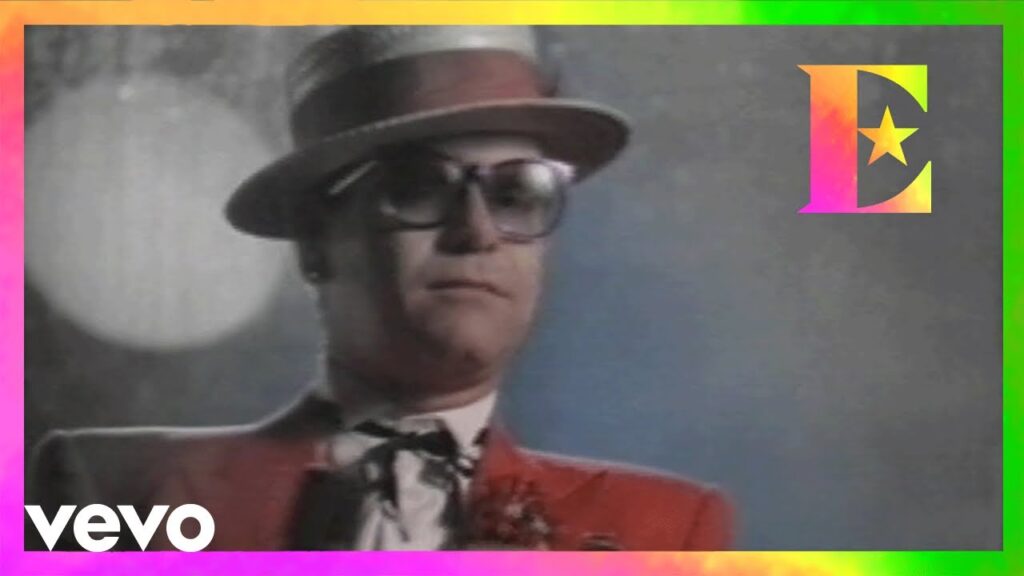
The music video reflected the colorful visual style of early MTV.
Featuring Elton performing alongside scenes of people listening to music and connecting emotionally, the video reinforced the song’s central message that music brings people together during both happy and difficult times.
While not as elaborate as some of the era’s biggest productions, it received substantial airplay and helped introduce the song to a younger television audience discovering artists through MTV.
Its straightforward approach allowed the music itself to remain the focus.
Why the Song Endures
A Universal Message
Almost everyone has experienced finding comfort in a favorite song during difficult times.
That simple truth makes “Sad Songs (Say So Much)” instantly relatable.
One of Elton’s Strongest Choruses
The chorus is uplifting, memorable, and impossible not to sing along with.
It transforms sadness into celebration.
Outstanding Piano Performance
Elton’s piano remains the heart of the recording, driving every section with energy and enthusiasm.
Timeless Production
Although unmistakably an ’80s recording, the production avoids many of the excesses that make some songs from the decade sound dated.
Legacy
While “Sad Songs (Say So Much)” sometimes receives less attention than Elton John’s biggest classics from the 1970s, it has quietly become one of the defining songs of his 1980s catalog.
It appears regularly on greatest-hits collections and remains a favorite during live performances. Fans often respond enthusiastically from the opening piano notes, recognizing a song that perfectly captures Elton and Bernie Taupin’s unique ability to blend emotional honesty with irresistible pop craftsmanship.
The recording also stands as a reminder that not every uplifting song has to be about happiness.
Sometimes acknowledging sadness can be the first step toward feeling better.
That message continues to resonate with listeners of every generation.
Final Thoughts
“Sad Songs (Say So Much)” is one of Elton John’s finest recordings of the 1980s. It takes an idea that could have easily become overly sentimental and transforms it into a joyful celebration of music’s emotional power.
Bernie Taupin’s thoughtful lyrics, Elton John’s passionate vocal and piano performance, and Chris Thomas’s polished production combine to create a song that remains just as meaningful today as it was in 1984.
It’s proof that great pop music doesn’t always need complicated stories or dramatic twists. Sometimes all it takes is recognizing a simple truth that everyone has experienced.
This post has already been read 72 times!