The Nostalgic Hit That Brought The Kinks Back to the Top
Released in November 1982 as the lead single from State of Confusion, “Come Dancing” became one of the biggest hits of The Kinks’ remarkable career and introduced the legendary British band to a new generation of listeners. Written by Ray Davies, the song blended heartfelt storytelling with infectious pop-rock melodies, reaching No. 6 on the Billboard Hot 100 and becoming the group’s highest-charting American single since “Tired of Waiting for You” nearly two decades earlier.
Unlike many nostalgia-driven songs, “Come Dancing” isn’t simply about looking back. It’s a touching tribute to youth, family, changing times, and the disappearance of a beloved era. Wrapped inside an irresistible melody and buoyant rhythm, it remains one of Ray Davies’ finest songwriting achievements.
More than forty years later, “Come Dancing” continues to charm listeners with its warmth, wit, and emotional honesty.
A Personal Story Behind the Song
By the early 1980s, The Kinks had already secured their place among rock’s greatest bands with classics like “You Really Got Me,” “Waterloo Sunset,” “Lola,” and “Sunny Afternoon.” While they continued releasing strong albums throughout the 1970s, mainstream pop success had become more difficult to achieve.
State of Confusion changed that.
At the heart of the album was “Come Dancing,” inspired by Ray Davies’ memories of his older sister Rene. She loved attending local dance halls during the 1950s and encouraged Ray’s early interest in music. Tragically, she passed away from a heart condition shortly after giving him his first guitar as a birthday gift.
Although the song never directly mentions that loss, its affection and nostalgia are rooted in those deeply personal memories.
Songwriting
Ray Davies tells the story through vivid snapshots of dance halls, Saturday nights, and young romance.
Rather than dwelling on sadness, he celebrates a world that once brought joy to countless people.
The lyrics also acknowledge how changing times slowly erased many of those neighborhood gathering places, replacing them with modern entertainment and leaving behind only memories.
That balance between happiness and melancholy gives the song remarkable emotional depth.
Listeners don’t need to have experienced dance halls themselves to understand the universal feeling of watching beloved traditions disappear.
Davies transforms personal memories into something everyone can relate to.
Ray Davies’ Performance
Ray Davies delivers one of the warmest vocal performances of his career.
His conversational singing style makes the story feel authentic, as though he’s sharing cherished memories with old friends.
Rather than dramatizing the lyrics, Davies lets the emotion emerge naturally.
His gentle delivery perfectly matches the nostalgic tone of the song.
It’s one of the finest examples of his unique ability to combine humor, observation, and heartfelt emotion in a single performance.
Production
Produced by Ray Davies, the recording blends classic rock instrumentation with polished early-1980s production.
The arrangement includes:
- Bright piano
- Clean electric guitars
- Driving bass
- Energetic live drums
- Catchy keyboard accents
- Rich vocal harmonies
The upbeat arrangement provides an effective contrast to the bittersweet story.
The music celebrates the excitement of dancing while the lyrics quietly reflect on the passing of time.
That emotional balance is one of the recording’s greatest strengths.
The Music Video
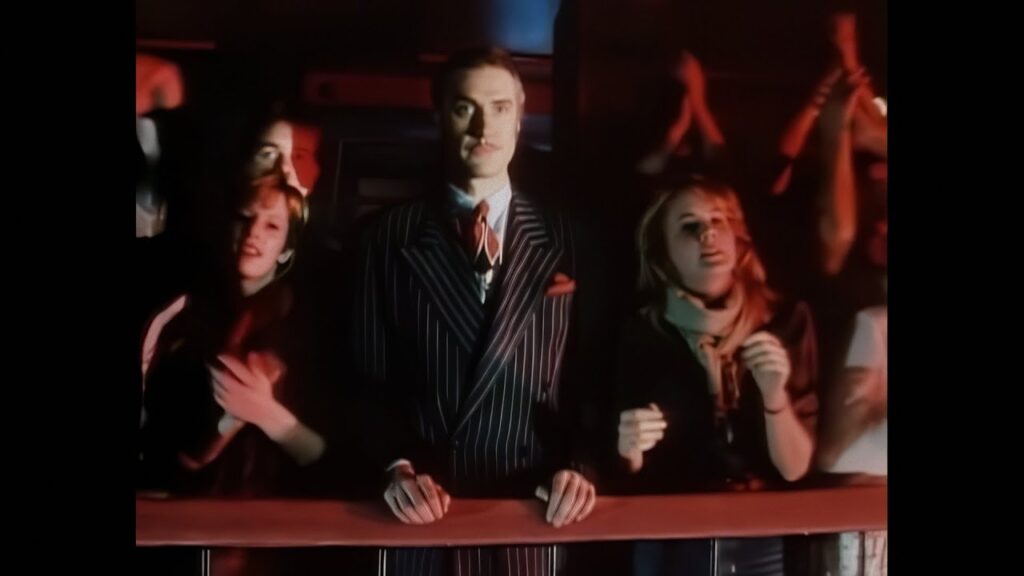
The music video became a favorite on MTV during the network’s early years.
Featuring nostalgic scenes of dance halls, period costumes, and playful storytelling, it perfectly complemented the song’s themes.
Its heavy rotation helped introduce The Kinks to younger American audiences who may have known little about the band’s legendary 1960s catalog.
The video played an important role in the song’s commercial success.
Chart Success
“Come Dancing” became one of The Kinks’ biggest international hits.
The song reached:
- No. 6 on the Billboard Hot 100
- Top 20 in the United Kingdom
- Top 10 in Canada
- Strong chart success throughout several international markets
Its popularity gave The Kinks one of the most successful late-career comebacks of the MTV era and reaffirmed Ray Davies’ reputation as one of rock’s greatest songwriters.
Why It Still Resonates
Beautiful Storytelling
Ray Davies paints vivid scenes that feel personal while remaining universally relatable.
Memorable Melody
The upbeat chorus is instantly recognizable and impossible not to sing along with.
Emotional Honesty
The song celebrates the past without becoming trapped in nostalgia.
Its emotions feel genuine rather than sentimental.
Outstanding Musicianship
The Kinks combine polished production with energetic performances that keep the song lively from beginning to end.
Cultural Impact
“Come Dancing” helped reintroduce The Kinks to mainstream audiences during the 1980s and proved that veteran bands could remain creatively relevant in the MTV era.
The song also preserved memories of Britain’s once-thriving dance hall culture, giving younger generations a glimpse into an important part of social history.
Its continued popularity on classic rock radio has ensured that Ray Davies’ heartfelt tribute remains widely appreciated.
Legacy
Among The Kinks’ extraordinary catalog, “Come Dancing” stands comfortably alongside classics like “Waterloo Sunset,” “Lola,” “You Really Got Me,” and “Sunny Afternoon.”
While stylistically different from many of their earlier hits, it showcases everything that made Ray Davies one of rock’s greatest writers: unforgettable melodies, insightful storytelling, and deep emotional intelligence.
It remains one of the finest comeback singles in rock history.
Final Thoughts
“Come Dancing” is much more than a nostalgic pop hit.
It’s a loving tribute to family, youthful memories, and the places that shape our lives before quietly disappearing.
Ray Davies transformed deeply personal experiences into a timeless song that continues to resonate with listeners across generations.
Its joyful melody, heartfelt lyrics, and outstanding musicianship make it one of the defining recordings of both The Kinks’ later career and the early MTV era.
This post has already been read 64 times!