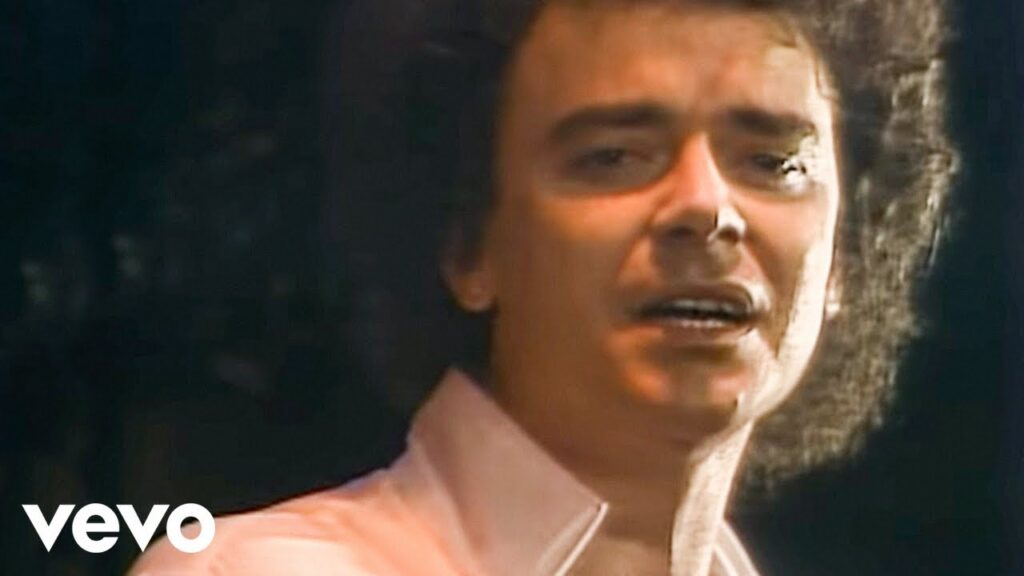
Released in May 1981, “The One That You Love” became one of Air Supply’s signature songs and cemented the Australian duo’s place among the biggest adult contemporary acts of the early 1980s. Combining Graham Russell’s heartfelt songwriting with Russell Hitchcock’s soaring vocal performance, the song perfectly captured the romantic ballad style that made Air Supply an international phenomenon. More than four decades later, it remains one of the duo’s most recognizable hits and a staple of soft rock and adult contemporary radio.
Air Supply had already built considerable momentum before the song’s release. Formed in Melbourne in 1975 after Graham Russell and Russell Hitchcock met during a production of Jesus Christ Superstar, the pair developed a musical chemistry that balanced Russell’s melodic songwriting with Hitchcock’s powerful tenor voice. After finding success in Australia, they broke into the American market with hits such as “Lost in Love,” “All Out of Love,” and “Every Woman in the World.” By 1981, they had become one of the hottest acts on radio, particularly among listeners who appreciated polished, emotionally driven pop music.
“The One That You Love” served as the title track and lead single from their sixth studio album. Expectations were high after the success of Lost in Love, but Air Supply delivered another major hit that proved their earlier success was far from a fluke.
The song opens gently with piano and soft instrumentation before gradually building into one of the group’s trademark emotional crescendos. Rather than overwhelming the listener with dramatic production from the outset, the arrangement unfolds naturally, allowing the melody to take center stage. That patient approach became one of Air Supply’s greatest strengths, creating songs that felt intimate before blossoming into powerful choruses.
Russell Hitchcock delivers one of the finest vocal performances of his career. His voice is remarkably controlled throughout the verses, conveying sincerity without sounding overly sentimental. As the song builds, he effortlessly reaches soaring high notes that became one of his trademarks. Hitchcock possessed an unusual ability to sing with tremendous power while maintaining warmth and clarity, making every performance feel genuine rather than theatrical.
Graham Russell’s songwriting is equally impressive. The melody is immediately memorable without being overly complicated, and the structure allows the emotional intensity to build naturally. While many love songs rely on elaborate storytelling, “The One That You Love” succeeds through its directness. Its message is universal, making it easy for listeners to connect with regardless of their own experiences.
Producer Harry Maslin deserves considerable credit for the recording’s polished sound. Best known for his work with artists such as David Bowie, Maslin crafted a production that was lush without becoming cluttered. Strings, keyboards, guitars, and rhythm section all blend seamlessly, creating an elegant backdrop that supports the vocals rather than competing with them.
One of the song’s most appealing qualities is its balance between simplicity and sophistication. The arrangement contains enough musical detail to reward repeated listening, yet it never loses sight of the emotional core. Every instrument serves the song’s mood, creating an atmosphere that feels comforting and timeless.
Commercially, “The One That You Love” became Air Supply’s biggest American success. It reached No. 1 on the Billboard Hot 100 in July 1981, giving the duo their only chart-topping single in the United States. The song also performed strongly internationally, reaching high positions in Canada, Australia, and several other countries. Its success helped propel the accompanying album to platinum sales and further established Air Supply as one of the defining soft rock acts of the decade.
The accompanying music video reflected the understated style of the era before elaborate MTV productions became the norm. Rather than relying on flashy visual effects, it focused on the duo performing the song, allowing the emotional weight of the music to remain the primary attraction.
Critics occasionally dismissed Air Supply for producing sentimental ballads, but audiences clearly disagreed. The duo consistently sold millions of records because they understood how to write and perform songs that resonated emotionally. “The One That You Love” exemplifies that strength. Instead of chasing trends, Air Supply embraced melody, harmony, and heartfelt performances, qualities that have allowed their music to endure.
The song also highlights the remarkable partnership between Russell and Hitchcock. Graham Russell rarely sought the spotlight as a vocalist, preferring to concentrate on songwriting and guitar, while Hitchcock became the emotional voice of the duo. That division of responsibilities proved enormously successful, allowing each musician to excel in his respective role.
Today, “The One That You Love” remains one of the defining songs of early-1980s adult contemporary music. It continues to receive regular airplay on classic hits and soft rock stations, while Air Supply still performs it during concerts around the world. Fans often cite it as one of the emotional highlights of the duo’s live shows, with Hitchcock’s vocal performance remaining remarkably strong even decades after the song’s release.
Its influence can also be heard in countless romantic ballads that followed throughout the 1980s. While musical styles shifted toward harder rock, synth-pop, and dance music, Air Supply demonstrated there would always be an audience for beautifully crafted love songs performed with sincerity and exceptional vocal talent.
More than forty years after reaching the top of the charts, “The One That You Love” continues to stand as one of Air Supply’s crowning achievements. Its graceful melody, elegant production, and unforgettable vocal performance have ensured its place among the greatest soft rock ballads of its era. Rather than fading into nostalgia, it remains a timeless reminder that a well-written song, delivered with genuine emotion, never goes out of style.
This post has already been read 70 times!