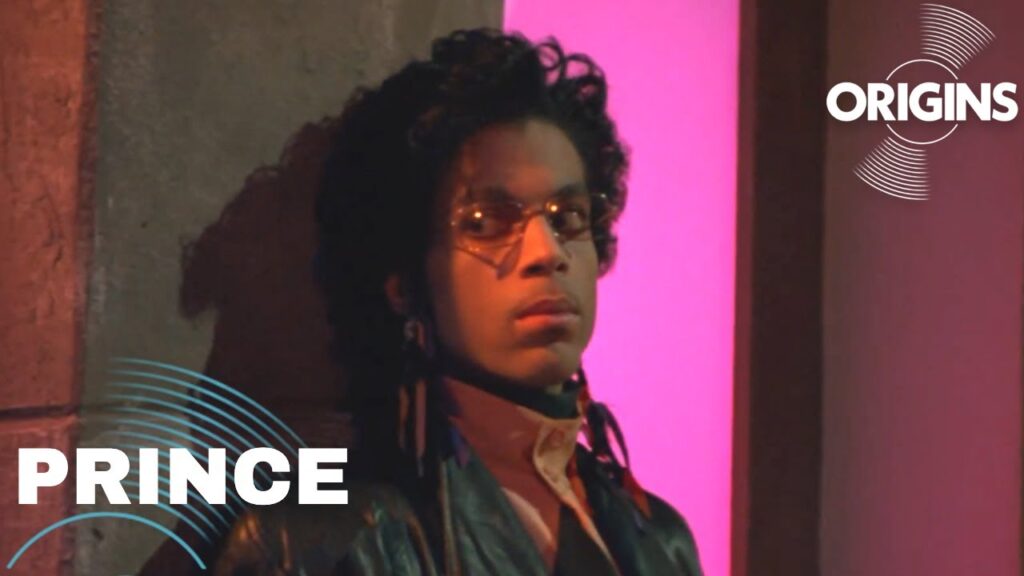
Released in 1987, “Sign o’ the Times” stands as one of Prince’s most daring and socially conscious recordings. While much of his catalog is celebrated for its electrifying funk, sensuality, and musical experimentation, this song revealed another side of his artistry—a songwriter capable of capturing the uncertainty, anxiety, and complexity of the modern world with remarkable precision. Rather than offering escapism, Prince held up a mirror to society, addressing issues that many pop artists of the era avoided.
The song reached the Top 10 in several countries and became the title track of what many critics and fans consider Prince’s greatest album. Although it wasn’t his biggest commercial hit, “Sign o’ the Times” has grown in stature over the decades and is now widely regarded as one of the finest songs ever written during the 1980s. Its themes remain surprisingly relevant, proving that truly great songwriting can transcend the moment in which it was created.
The Story Behind the Song
By the mid-1980s, Prince had already achieved superstar status. Albums like 1999, Purple Rain, Around the World in a Day, and Parade had established him as one of the most innovative musicians in popular music. Yet behind the scenes, he was constantly creating more material than he could possibly release.
The period leading up to Sign o’ the Times was one of tremendous change. Prince had abandoned several ambitious projects, including Dream Factory and Crystal Ball, before ultimately assembling songs into a double album that showcased nearly every aspect of his musical personality.
The title track was unlike anything fans expected. Instead of leading with an explosive funk groove or a guitar-driven anthem, Prince delivered a sparse, almost minimalist recording centered on electronic percussion, subtle keyboard textures, and a haunting vocal performance.
At a time when many pop songs celebrated excess and glamour, “Sign o’ the Times” confronted difficult realities, making it one of the boldest artistic statements of Prince’s career.
The Sound
One of the most striking aspects of “Sign o’ the Times” is its simplicity.
The recording is built around a drum machine pattern, understated synthesizers, and a restrained bass line. Unlike the dense arrangements found on many Prince classics, this song leaves plenty of open space, allowing every musical element to carry maximum impact.
That restraint creates an atmosphere of quiet tension. Rather than overwhelming the listener with instrumentation, Prince lets the groove unfold gradually, drawing attention to the emotional weight of the performance.
His use of the Fairlight CMI sampler and electronic percussion gives the recording a futuristic quality while avoiding the overproduced sound that characterized some late-’80s pop. The production remains remarkably fresh because every sound serves a clear purpose.
When the subtle keyboard flourishes and guitar accents appear, they feel carefully placed rather than excessive, adding color without distracting from the song’s central message.
Performance and Musicianship
Prince’s vocal performance is among the most understated of his career, and that is precisely what makes it so powerful.
Instead of relying on his famous falsetto or explosive vocal acrobatics, he delivers the song with calm authority. His voice remains controlled throughout, allowing the emotion to emerge naturally rather than theatrically.
The minimalist arrangement also highlights Prince’s remarkable instincts as a producer. Every instrument enters at exactly the right moment, demonstrating his ability to communicate as effectively through what he leaves out as through what he includes.
Although often celebrated as a guitarist, keyboardist, and multi-instrumentalist, “Sign o’ the Times” reminds listeners that Prince’s greatest musical gift may have been knowing exactly what each song required—and resisting the temptation to do more simply because he could.
Why It Worked
Several factors make “Sign o’ the Times” one of Prince’s most enduring compositions.
First, its honesty was refreshing. Rather than chasing radio trends, Prince created a song that reflected genuine observations about the world around him. That authenticity gave the recording an emotional depth that resonated with listeners.
Second, the minimalist production allowed the composition to breathe. By stripping away unnecessary instrumentation, Prince ensured that the melody and performance remained the focal points.
The timing also played a role. The late 1980s were marked by rapid technological change, political tension, public health concerns, and economic uncertainty. While the song never feels tied to a single event, it captures the mood of an era with remarkable clarity.
The music video further reinforced the song’s impact. Its straightforward presentation placed the emphasis squarely on Prince and the music, avoiding elaborate storytelling in favor of understated visual imagery that complemented the recording’s reflective tone.
The Legacy
Over time, “Sign o’ the Times” has become one of the defining achievements of Prince’s extraordinary career. While casual listeners may associate him most closely with songs like “When Doves Cry,” “Kiss,” or “Little Red Corvette,” musicians and critics frequently point to this recording as one of his greatest artistic accomplishments.
The album of the same name is routinely ranked among the finest records ever made, and the title track serves as its emotional centerpiece. It demonstrated that Prince could move effortlessly beyond dance music and romantic themes into thoughtful social commentary without sacrificing his distinctive musical voice.
The song has influenced countless artists across genres, from R&B and rock to hip-hop and alternative music. Its stripped-down production and fearless subject matter continue to inspire musicians who seek substance alongside commercial appeal.
Even decades after its release, “Sign o’ the Times” remains a regular feature on lists celebrating the greatest songs in popular music history, a testament to its enduring relevance and artistic ambition.
Final Thoughts
“Sign o’ the Times” is one of those rare recordings that grows more impressive with every listen. Its understated arrangement, remarkable songwriting, and deeply committed vocal performance create a work that feels timeless rather than tied to a particular decade.
Prince could have easily followed the formula that had already made him a superstar. Instead, he challenged both himself and his audience by delivering a thoughtful, restrained, and profoundly human piece of music. That willingness to take creative risks is one of the reasons his catalog continues to command such admiration.
While it may never have been his biggest commercial success, “Sign o’ the Times” represents Prince at the height of his creative powers. It showcases an artist who understood that great music doesn’t always need to be loud or flashy to leave a lasting impression. Nearly forty years later, the song remains as compelling, relevant, and artistically fearless as it was in 1987, standing as one of the true masterpieces of modern popular music.
This post has already been read 79 times!