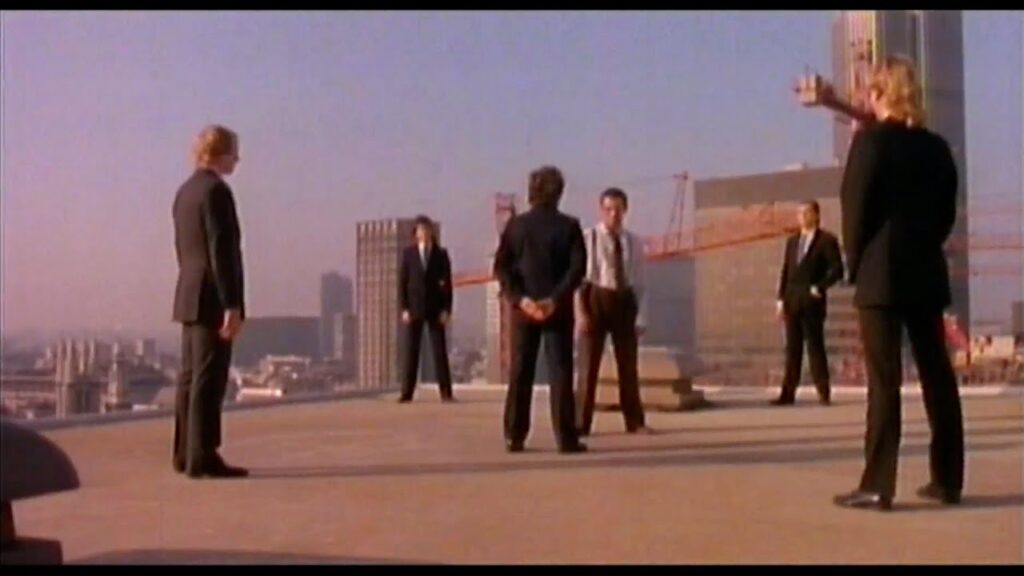
When “Owner of a Lonely Heart” arrived in late 1983, it surprised virtually everyone. Yes had spent more than a decade building a reputation as one of progressive rock’s most innovative bands, known for lengthy compositions, intricate musicianship, and ambitious concept albums. Songs like “Roundabout” and “Close to the Edge” had made them legends among rock fans, but mainstream pop success on the level of a No. 1 single seemed unlikely. Then came “Owner of a Lonely Heart,” a bold reinvention that combined progressive musicianship with contemporary production and an irresistible hook.
Released as the lead single from the album 90125, the song became Yes’ only No. 1 hit on the Billboard Hot 100. Featuring Trevor Rabin’s powerful guitar work, Trevor Horn’s groundbreaking production, and Jon Anderson’s unmistakable vocals, the recording introduced Yes to a new generation while proving the band could evolve without abandoning its musical identity. More than forty years later, it remains one of the defining rock songs of the 1980s.
The Story Behind the Song
The road to “Owner of a Lonely Heart” was anything but straightforward.
Following the breakup of Yes in the early 1980s, guitarist Trevor Rabin began working on material for a new project called Cinema alongside bassist Chris Squire, drummer Alan White, keyboardist Tony Kaye, and producer Trevor Horn. One of Rabin’s demos was “Owner of a Lonely Heart,” a song originally intended for a solo album.
As the project developed, Jon Anderson was invited to contribute vocals. His arrival transformed Cinema back into Yes, although the resulting music sounded dramatically different from the band’s progressive rock classics.
Trevor Horn, formerly of The Buggles, played a pivotal role in shaping the final recording. Rather than emphasizing extended instrumental passages, he focused on concise songwriting, innovative studio techniques, and cutting-edge production.
The gamble paid off spectacularly. Released in 1983, “Owner of a Lonely Heart” became an international smash and revived the band’s commercial fortunes in spectacular fashion.
The Sound
“Owner of a Lonely Heart” remains one of the most innovative productions of the 1980s.
The song opens with Trevor Rabin’s unforgettable guitar riff before exploding into a dazzling mix of rock instrumentation, electronic effects, sampled sounds, orchestral stabs, and dramatic rhythmic changes. Producer Trevor Horn transformed the studio into an instrument itself, layering countless sonic details throughout the recording.
Unlike traditional rock songs, the arrangement constantly surprises the listener. Abrupt pauses, unusual sound effects, and unexpected transitions keep the music unpredictable without sacrificing its accessibility.
Rabin’s guitar work combines hard rock aggression with melodic precision, while Tony Kaye’s keyboards add texture rather than dominating the arrangement. Chris Squire’s distinctive bass playing remains unmistakable, providing both rhythmic drive and melodic movement beneath the song’s polished surface.
The production pushed technological boundaries while remaining focused on the song itself, making it one of the most influential recordings of its era.
Performance and Musicianship
Jon Anderson delivers a remarkable vocal performance that bridges the gap between classic Yes and the band’s modernized sound.
His unmistakable tenor remains as expressive as ever, floating effortlessly above the dense arrangement while maintaining clarity and emotional conviction. Anderson’s voice provides an important connection to the band’s past, even as the music ventures into entirely new territory.
Trevor Rabin emerges as one of the recording’s true stars. His guitar playing is both technically impressive and remarkably restrained, serving the song with memorable riffs rather than extended solos.
Chris Squire’s bass lines retain the creativity that defined Yes throughout the 1970s, while Alan White’s drumming combines precision with enormous power. Tony Kaye contributes tasteful keyboard textures that enhance the arrangement without overwhelming it.
The result is a band performance that balances virtuosity with discipline—a hallmark of Yes throughout every era of their career.
Why It Worked
Several factors helped “Owner of a Lonely Heart” become Yes’ biggest commercial success.
First, the chorus is instantly memorable. Its powerful melody and positive message made it accessible to audiences far beyond the band’s traditional progressive rock fan base.
Second, Trevor Horn’s production sounded unlike anything else on radio in 1983. His innovative use of sampling, editing, and studio effects helped define the sound of the decade while influencing countless producers.
The song also arrived at the perfect moment. MTV was rapidly changing how audiences discovered music, and the imaginative music video received heavy rotation, introducing Yes to millions of younger listeners.
Finally, the band successfully modernized their sound without sacrificing their exceptional musicianship. Longtime fans still recognized the technical excellence that had always defined Yes, while newcomers embraced the streamlined songwriting.
The Legacy
“Owner of a Lonely Heart” transformed the trajectory of Yes’ career.
Not only did it become the band’s only No. 1 single in the United States, but it also introduced an entirely new audience to one of progressive rock’s greatest groups. The success of 90125 demonstrated that even established bands could reinvent themselves successfully without losing their artistic credibility.
The song has remained a staple of classic rock radio and continues to appear in films, television shows, commercials, and sporting events. Its instantly recognizable guitar riff and groundbreaking production have inspired generations of musicians and producers.
Today, it stands as one of the defining recordings of the 1980s and one of the greatest examples of successful musical reinvention in rock history.
Final Thoughts
“Owner of a Lonely Heart” is much more than Yes’ biggest commercial hit. It represents a remarkable fusion of progressive musicianship, innovative production, and unforgettable songwriting that expanded the band’s audience without abandoning their artistic ambition.
Jon Anderson’s soaring vocals, Trevor Rabin’s inspired guitar work, Chris Squire’s melodic bass playing, Alan White’s powerful drumming, Tony Kaye’s tasteful keyboards, and Trevor Horn’s visionary production come together to create a recording that still sounds fresh more than forty years later.
While Yes will always be celebrated for progressive masterpieces like Close to the Edge and Fragile, “Owner of a Lonely Heart” proved they could also thrive in a new musical landscape. It remains one of the defining rock recordings of the 1980s, a brilliant example of how reinvention, when guided by exceptional talent and fearless creativity, can produce something truly timeless.
This post has already been read 61 times!