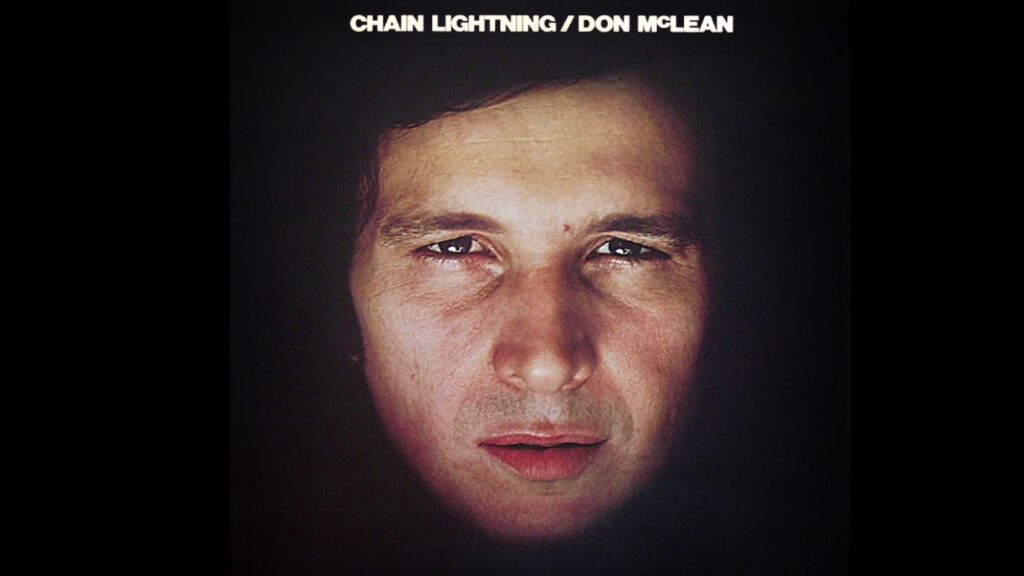
Some songs are so perfectly written that they invite reinterpretation by every generation of artists. Roy Orbison’s “Crying” is one of those rare masterpieces. Originally released in 1961, it became one of Orbison’s signature recordings thanks to its soaring melody and heartbreaking emotional power. More than two decades later, singer-songwriter Don McLean gave the classic an entirely new life, transforming it into an international hit for the 1980s while honoring the spirit of the original.
Released in 1980 from the album Chain Lightning, McLean’s version of “Crying” reached No. 5 on the Billboard Hot 100 and climbed to No. 1 on the UK Singles Chart. It also returned Roy Orbison’s timeless composition to radio playlists around the world, introducing the song to a younger generation. Rather than attempting to duplicate Orbison’s legendary performance, McLean offered a heartfelt interpretation that stood confidently on its own, making it one of the finest cover recordings of the decade.
The Story Behind the Song
By 1980, Don McLean was already a respected singer-songwriter whose landmark hit “American Pie” had secured his place in music history. Although known primarily for his own compositions, McLean had long admired the work of Roy Orbison and wanted to pay tribute to one of rock’s greatest voices.
“Crying” was written by Roy Orbison and Joe Melson, inspired by Orbison’s own experiences with lost love and emotional vulnerability. The song’s dramatic melody and unforgettable vocal climax made it one of the defining ballads of the early rock era.
McLean approached the recording with tremendous respect. Rather than trying to modernize the song beyond recognition, he preserved its emotional core while updating the arrangement with contemporary production and his own distinctive vocal style.
His version resonated with audiences around the world, proving that truly great songs can transcend generations while retaining their emotional impact.
The Sound
Don McLean’s recording beautifully balances classic songwriting with polished early-1980s production.
The arrangement opens gently with keyboards and soft rhythm accompaniment before gradually introducing guitars, bass, and restrained percussion. The production allows the emotional intensity to build naturally rather than overwhelming the listener from the outset.
Producer Larry Butler keeps the instrumentation tasteful throughout. The keyboards add warmth without becoming dominant, while the guitars provide subtle melodic support that complements the vocal.
Unlike many contemporary pop productions of the era, the recording avoids excessive synthesizers or elaborate studio effects. Instead, it emphasizes melody, dynamics, and emotional pacing.
The gradual expansion of the arrangement mirrors the emotional journey of the lyrics, leading to a powerful yet elegant conclusion.
Performance and Musicianship
Don McLean delivers one of the strongest vocal performances of his career.
While comparisons to Roy Orbison are inevitable, McLean wisely avoids imitation. Instead of attempting Orbison’s dramatic operatic style, he sings with warmth, sincerity, and quiet emotional control.
His phrasing gives the lyrics a deeply personal quality, allowing listeners to experience heartbreak through subtle expression rather than vocal theatrics. As the song progresses, McLean gradually increases the emotional intensity until reaching a moving climax that feels completely earned.
The accompanying musicians perform with equal sensitivity. The rhythm section maintains a steady pulse while keyboards and guitars create an elegant backdrop that supports rather than competes with the vocal.
Every element reflects remarkable restraint, demonstrating that emotional impact often comes from simplicity rather than excess.
Why It Worked
Several factors helped McLean’s version of “Crying” become a major international hit.
First, the song itself remains one of the greatest ballads ever written. Its unforgettable melody and universal theme of heartbreak continue to resonate with listeners regardless of era.
Second, McLean approached the material with humility and authenticity. Rather than trying to outshine the original, he focused on delivering an honest interpretation that reflected his own strengths as a vocalist.
The production also broadened the song’s appeal. Its polished sound fit comfortably alongside contemporary adult contemporary and pop recordings while preserving the timeless qualities of the original composition.
The renewed interest in classic songwriting during the early 1980s also created the perfect environment for such a respectful reinterpretation.
The Legacy
Don McLean’s version of “Crying” remains one of the most successful cover recordings of the 1980s.
Its popularity introduced Roy Orbison’s songwriting to countless younger listeners while reminding longtime fans of the enduring brilliance of the original. In many countries, McLean’s version became so successful that it temporarily eclipsed Orbison’s recording among younger audiences.
The song also demonstrated McLean’s versatility as an interpreter. Although best known for writing epic originals like “American Pie” and “Vincent,” he proved equally capable of breathing new life into another songwriter’s masterpiece.
Today, both versions continue to enjoy regular airplay, each offering a unique perspective on one of popular music’s most emotionally powerful compositions.
Final Thoughts
Don McLean’s “Crying” stands as one of the finest cover versions ever recorded. It succeeds not because it attempts to replace Roy Orbison’s legendary original, but because it respectfully honors the song while allowing McLean’s own artistry to shine through.
His heartfelt vocal performance, elegant production, and restrained musicianship create a recording that feels timeless rather than tied to a particular era. Every note reflects genuine admiration for the original while offering listeners something fresh and emotionally authentic.
More than forty years after its release, McLean’s interpretation continues to stand alongside Orbison’s masterpiece as a reminder that truly exceptional songs can thrive through multiple generations. “Crying” remains a testament to the enduring power of great songwriting and to Don McLean’s remarkable ability to connect with audiences through honesty, sensitivity, and unforgettable musical storytelling.
This post has already been read 64 times!