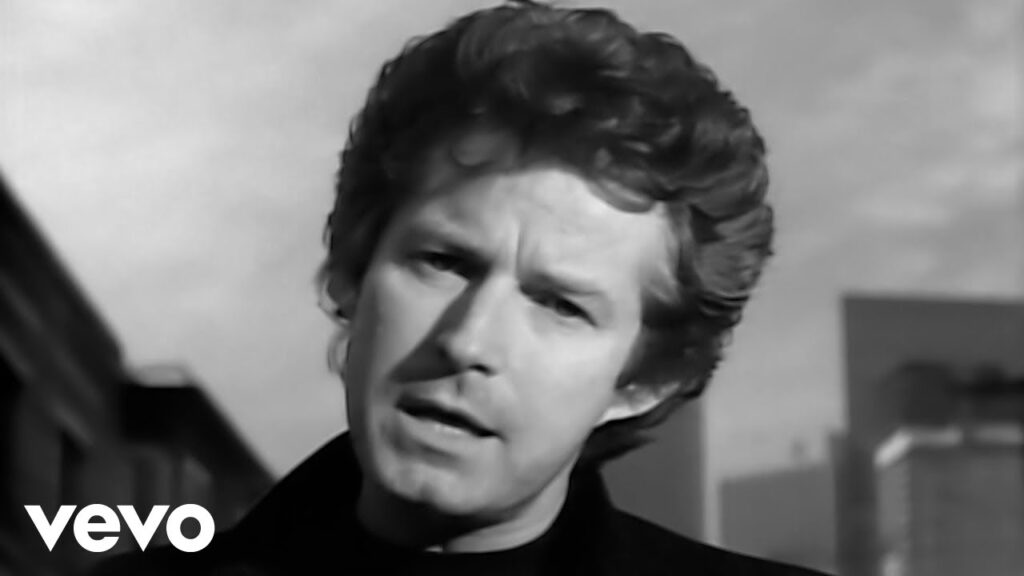
Some songs become inseparable from a season. Others transcend the moment they describe and speak to universal experiences that never grow old. “The Boys of Summer” by Don Henley accomplishes both. Released in 1984 as the lead single from his album Building the Perfect Beast, the song captures the feeling of looking back on youth while recognizing that life continues to move forward, whether we’re ready or not.
With its shimmering guitars, atmospheric synthesizers, and Henley’s unmistakable voice, “The Boys of Summer” became one of the defining songs of the 1980s. It reached the Top 10 on the Billboard Hot 100, won a Grammy Award, and has remained a fixture on classic rock radio ever since. While its production reflects the era in which it was created, its themes of nostalgia, change, and lost love are completely timeless.
More than forty years after its release, it continues to resonate with listeners of every generation.
A Collaboration That Created Magic
Although Don Henley wrote the lyrics, much of the music originated with guitarist Mike Campbell of Tom Petty and the Heartbreakers.
Campbell initially envisioned the instrumental as a Tom Petty song, but it wasn’t selected for that project. When Henley heard the demo, he immediately recognized its potential.
The partnership proved inspired.
Campbell’s haunting musical foundation gave Henley the perfect canvas for a deeply reflective lyric, resulting in one of the finest collaborations of the decade.
Sometimes great songs simply find the artist they were always meant for.
A Different Kind of Nostalgia
Many songs about the past celebrate it with warmth and sentimentality.
“The Boys of Summer” takes a more thoughtful approach.
Rather than longing to relive youth, Henley examines how memories shape us while acknowledging that nothing remains unchanged forever.
The song understands that growing older isn’t simply about losing the past.
It’s about learning to live alongside it.
That emotional maturity gives the recording remarkable depth.
Listeners often find new meaning in the song at different stages of their own lives.
Don Henley’s Powerful Vocal Performance
Henley’s voice has always carried a distinctive combination of strength and vulnerability.
On “The Boys of Summer,” he delivers one of the greatest performances of his career.
His vocal never feels theatrical.
Instead, it sounds reflective, honest, and deeply personal.
Every phrase carries emotional weight without becoming melodramatic.
The performance perfectly complements the song’s themes, allowing listeners to feel both the sadness of looking back and the quiet hope of moving forward.
It’s a masterclass in emotional restraint.
Mike Campbell’s Unforgettable Guitar
One of the song’s defining musical elements is Mike Campbell’s instantly recognizable guitar work.
His clean, echoing riffs create an atmosphere that feels both expansive and intimate.
The guitar doesn’t dominate the arrangement.
It enhances it.
Every note contributes to the song’s dreamlike quality, making the music feel almost cinematic.
The result is one of the most memorable guitar performances of the 1980s.
Its influence can still be heard in countless recordings today.
A Perfect Blend of Rock and Synth-Pop
Produced by Don Henley, Danny Kortchmar, and Greg Ladanyi, “The Boys of Summer” balances traditional rock instrumentation with tasteful electronic textures.
The synthesizers provide atmosphere rather than distraction.
The rhythm section remains steady and understated.
The guitars add warmth and emotional depth.
Nothing feels excessive.
Every sound serves the story.
The production captures the polished sophistication of mid-1980s rock while avoiding many of the clichés that have dated other recordings from the era.
A Groundbreaking Music Video
The song’s black-and-white music video became one of MTV’s defining clips.
Directed by Jean-Baptiste Mondino, it featured striking visual imagery that emphasized themes of memory, change, and emotional distance.
Rather than relying on elaborate special effects, the video used symbolism and mood to complement the song.
Its artistic approach earned widespread acclaim and won multiple MTV Video Music Awards.
It remains one of the network’s most celebrated early videos.
A Lasting Commercial Success
Released in 1984, “The Boys of Summer” reached No. 5 on the Billboard Hot 100 and became one of Don Henley’s signature solo hits.
It also earned the Grammy Award for Best Male Rock Vocal Performance.
The success of both the single and Building the Perfect Beast established Henley as one of the few artists to enjoy enormous success both with and without the Eagles.
The song became far more than another hit single.
It became the defining statement of his solo career.
Why the Song Endures
Part of what makes “The Boys of Summer” so remarkable is its emotional honesty.
Everyone experiences change.
Everyone reflects on the passage of time.
Everyone has moments they wish they could revisit.
The song captures those universal feelings without becoming overly sentimental or pessimistic.
Instead, it recognizes that memories are valuable precisely because they cannot be recreated.
That perspective continues to resonate with listeners of every age.
Final Thoughts
“The Boys of Summer” stands among the greatest rock songs of the 1980s because it combines exceptional songwriting, unforgettable musicianship, elegant production, and one of Don Henley’s finest vocal performances into a timeless masterpiece. Mike Campbell’s haunting guitar work provides the perfect musical backdrop for lyrics that explore nostalgia with remarkable honesty and emotional intelligence.
Its commercial success helped define Henley’s solo career, but its true achievement lies in its lasting emotional connection. Few songs capture the complicated relationship between memory and the present with such grace and subtlety.
Many songs remind us of summers gone by.
“The Boys of Summer” reminds us that every season eventually becomes a memory—and that there’s beauty in remembering without losing sight of what’s still ahead.
That timeless message has secured its place as one of the most enduring classics in modern rock history.
This post has already been read 79 times!