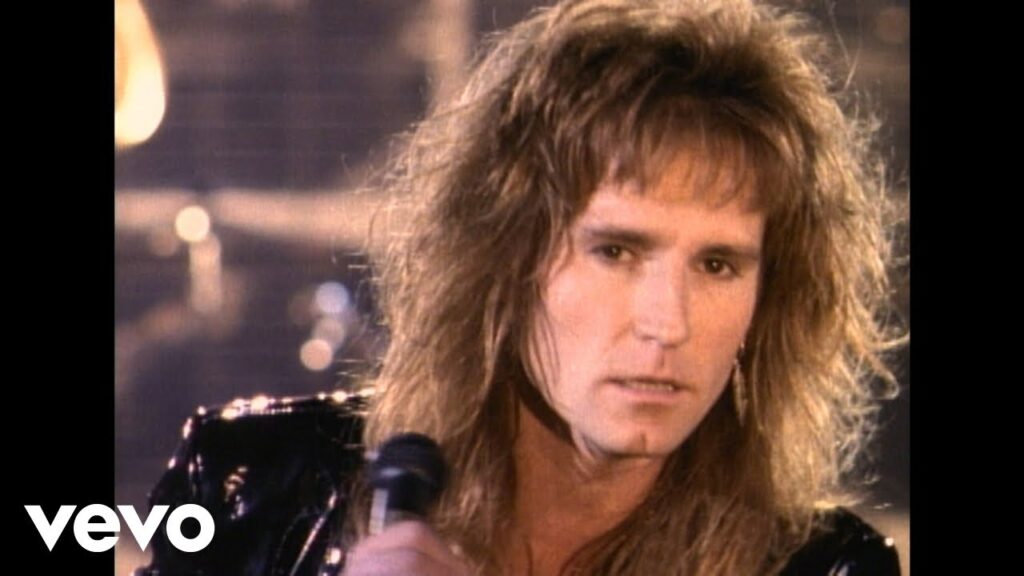
Released in September 1989, “When I See You Smile” became the signature hit for Bad English and one of the defining power ballads of the late 1980s. Blending soaring vocals, polished production, and heartfelt emotion, the song reached No. 1 on the Billboard Hot 100, introducing the newly formed supergroup to a mainstream audience. While Bad English featured members with impressive musical pedigrees, it was this romantic anthem that cemented their place in rock history.
Even decades later, “When I See You Smile” remains a favorite on classic rock and adult contemporary stations. Its emotional delivery, memorable chorus, and polished musicianship have allowed it to outlast many of the era’s countless power ballads.
A Supergroup Is Born
Bad English formed in 1987 from an impressive collection of established musicians. Vocalist John Waite had already enjoyed solo success and previously fronted The Babys. Guitarist Neal Schon and keyboardist Jonathan Cain came from Journey, while bassist Ricky Phillips and drummer Deen Castronovo completed a lineup filled with seasoned performers.
Given the members’ backgrounds, expectations were high. Their self-titled debut album combined melodic hard rock with radio-friendly songwriting, striking a balance between arena rock and polished pop.
“When I See You Smile” quickly emerged as the album’s breakout single.
Diane Warren’s Gift for Writing Hits
Unlike many rock bands that wrote their own material, “When I See You Smile” came from legendary songwriter Diane Warren, whose catalog includes countless chart-topping hits across multiple genres.
Warren had an extraordinary ability to write songs that connected emotionally without becoming overly complicated. “When I See You Smile” is built around a simple but universal message: the strength and confidence that love can provide during life’s difficult moments.
Its straightforward lyrics allowed John Waite’s expressive voice to carry the emotional weight of the song, helping it resonate with listeners around the world.
John Waite’s Remarkable Vocal Performance
The song belongs to John Waite from the opening verse.
His voice begins with restraint, allowing the lyrics room to breathe before gradually building toward one of the biggest choruses of the era. Waite avoids excessive vocal theatrics, instead relying on sincerity and carefully controlled power.
By the final chorus, his voice reaches an emotional peak without ever sounding forced. That balance between vulnerability and confidence is one of the reasons the performance has aged so well.
Ironically, Waite himself has often expressed mixed feelings about the song over the years, largely because he preferred writing and performing his own material. Fans, however, embraced it immediately.
Production That Defined an Era
Produced by Richie Zito, “When I See You Smile” showcases everything listeners associate with late-1980s adult-oriented rock.
The arrangement begins gently with keyboards before adding layers of guitars, bass, and drums as the song progresses. Neal Schon’s tasteful guitar work provides emotional support rather than flashy solos, allowing the vocals to remain the centerpiece.
Jonathan Cain’s keyboard textures give the recording warmth, while the rhythm section keeps everything grounded beneath the sweeping melody.
Every production choice serves the song’s gradual emotional build, creating a satisfying payoff when the full band arrives in the chorus.
A Timeless Love Song
At its heart, “When I See You Smile” is about finding hope through another person.
Rather than focusing on grand romantic gestures, the lyrics emphasize quiet reassurance and emotional support. The title itself captures the song’s central idea: one smile from someone you love can erase fear, doubt, and uncertainty.
Its optimistic message made it popular not only with rock audiences but also with adult contemporary listeners, wedding playlists, and romantic radio programming.
That universal appeal helped broaden Bad English’s audience beyond traditional hard rock fans.
Climbing to the Top
“When I See You Smile” became an enormous commercial success.
The single reached No. 1 on the Billboard Hot 100 in November 1989 and also topped the Adult Contemporary chart. Around the world, it became one of the year’s biggest international hits, performing especially well in Canada, Australia, and several European countries.
The success pushed Bad English’s debut album to multi-platinum status and established the band as one of the newest major acts in melodic rock.
Although the group scored additional hits like “Price of Love” and “Possession,” none matched the popularity of “When I See You Smile.”
The Music Video
The music video reflects the straightforward approach of the song itself.
Rather than relying on elaborate storytelling or flashy visual effects, it focuses primarily on the band performing while highlighting John Waite’s passionate vocal delivery. Close-up shots emphasize the emotional intensity, while warm lighting complements the romantic tone.
Like many late-1980s videos, it received heavy rotation on MTV, helping introduce the band to audiences who may not have been familiar with the members’ previous projects.
Why It Still Endures
Power ballads often succeed or fail based on authenticity.
“When I See You Smile” avoids many of the clichés that have caused other songs from the era to feel dated. The melody is memorable without becoming overly sentimental, and the performances feel genuine rather than manufactured.
Neal Schon’s understated guitar work, Jonathan Cain’s tasteful keyboards, and Waite’s heartfelt vocal combine to create a recording that feels bigger than the sum of its individual parts.
The song’s polished production certainly reflects its era, but its emotional core remains timeless.
Bad English’s Short Life
Despite their successful debut, Bad English proved relatively short-lived.
Creative differences and changing musical tastes began affecting the band as the 1990s approached. The rise of grunge and alternative rock quickly pushed melodic arena rock out of the mainstream, making it increasingly difficult for bands built around polished production and soaring ballads to maintain commercial momentum.
The group released a second album, Backlash, before disbanding in 1991.
Although their time together was brief, the members all continued successful careers in music.
Legacy
“When I See You Smile” remains one of the last great power ballads to top the Billboard Hot 100 before rock music shifted dramatically in the early 1990s. It represents the polished craftsmanship, emotional sincerity, and arena-sized production that defined the closing years of the decade.
For Bad English, it became both a blessing and a defining moment. While the band produced several excellent melodic rock songs, this single overshadowed nearly everything else in their catalog. Still, earning a No. 1 hit is an achievement few artists ever experience.
More than thirty-five years after its release, “When I See You Smile” continues to find new audiences through streaming, classic rock radio, and nostalgic playlists celebrating the best of the 1980s. Whether remembered as an essential power ballad, a showcase for John Waite’s outstanding vocals, or simply a beautifully crafted love song, it has earned its place among the era’s most enduring romantic classics.
This post has already been read 84 times!