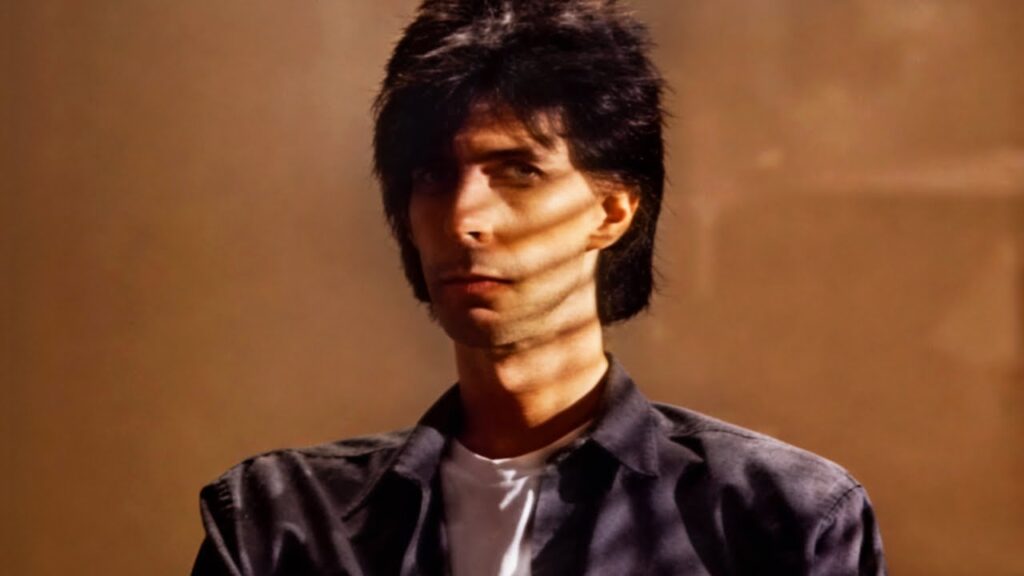
Released in July 1984 as the third single from Heartbeat City, “Drive” became the biggest hit of The Cars’ career and one of the most enduring ballads of the 1980s. Unlike many of the band’s earlier singles, which featured Ric Ocasek on lead vocals, “Drive” placed bassist Benjamin Orr front and center, delivering one of the most heartfelt vocal performances of the decade. The song reached No. 3 on the Billboard Hot 100, became an international success, and remains one of the defining power ballads of the MTV era.
More than forty years after its release, “Drive” continues to resonate with listeners thanks to its haunting melody, emotional lyrics, and understated production. It is a song that proves sometimes less is more, allowing atmosphere and sincerity to take precedence over flashy instrumentation.
A Different Side of The Cars
By the time Heartbeat City was released, The Cars were already one of rock’s most successful bands. Throughout the late 1970s and early 1980s, they had built an impressive catalog with upbeat hits like “Just What I Needed,” “Let’s Go,” “Shake It Up,” and “You Might Think.”
“Drive” represented a noticeable departure from that formula.
Written by Ric Ocasek, the song slowed the pace considerably, replacing new wave energy with quiet introspection. Ocasek recognized that Benjamin Orr’s rich, expressive voice was the perfect fit for the material, making the decision to let his longtime bandmate take the lead.
It proved to be one of the smartest artistic choices the band ever made.
Benjamin Orr’s Defining Performance
Benjamin Orr’s vocal performance is the emotional heart of “Drive.”
His voice carries a natural warmth that makes every line feel genuine. Rather than relying on dramatic vocal flourishes, Orr sings with remarkable restraint, allowing the melody to build naturally as the song progresses.
The tenderness in his delivery perfectly complements the song’s themes of concern, vulnerability, and emotional distance. Every phrase feels conversational, almost as if he’s speaking directly to someone who has lost their way.
Many fans consider it the finest vocal performance of Orr’s career, and it remains one of the reasons the song has endured for decades.
A Song About Compassion
Unlike many romantic ballads of its era, “Drive” isn’t simply about love.
The lyrics ask a series of questions directed toward someone who appears to be struggling emotionally or personally. Rather than assigning blame, the narrator expresses concern and wonders who will be there to provide support when no one else is around.
That sense of compassion gives the song an emotional depth that separates it from many contemporary pop ballads. Its message remains open enough for listeners to apply it to relationships, friendships, addiction, loneliness, or any situation involving someone in need of help.
This universality has allowed the song to connect with multiple generations.
Mutt Lange’s Polished Production
Produced by Robert John “Mutt” Lange, Heartbeat City featured one of the most polished sounds of the decade, and “Drive” may be its greatest achievement.
Soft synthesizer textures create an almost dreamlike atmosphere from the opening moments. Subtle guitar lines, tasteful percussion, and carefully layered harmonies gradually expand the arrangement without overwhelming the vocal.
Every production choice serves the song’s emotional impact.
Rather than chasing a dramatic climax, Lange allows the music to breathe, creating a spacious sound that remains elegant even by modern standards.
The Music Video
The music video became one of MTV’s most memorable clips of 1984.
Directed by actor Timothy Hutton, it features model Paulina Porizkova wandering through a concert venue while Benjamin Orr performs with the band. The understated visuals perfectly match the reflective mood of the song.
The production also marked the beginning of a famous real-life relationship. Orr and Porizkova met during the filming of the video, although she would later marry Ric Ocasek several years afterward.
Heavy MTV rotation helped make “Drive” one of the band’s biggest worldwide successes.
A Global Hit
“Drive” became The Cars’ highest-charting single in the United States, reaching No. 3 on the Billboard Hot 100 in 1984.
Internationally, it enjoyed even greater success. The song reached No. 4 in the United Kingdom, where it became the band’s biggest hit, and charted strongly throughout Europe, Canada, Australia, and New Zealand.
Its popularity helped Heartbeat City become one of the most successful albums of the band’s career, producing multiple hit singles and selling millions of copies worldwide.
A Song with Lasting Meaning
“Drive” took on an additional layer of significance in 1985 when it was used as the theme song for the Live Aid famine relief campaign’s promotional film.
The song’s compassionate message paired naturally with images highlighting humanitarian efforts, introducing it to an even wider audience and reinforcing its emotional resonance.
Although it wasn’t written specifically for that purpose, its themes of caring for others fit the campaign remarkably well.
That association helped solidify its place as more than simply another hit ballad.
Why It Still Connects
One reason “Drive” has remained popular is its timeless emotional honesty.
There are no elaborate metaphors or complicated storytelling. Instead, the song succeeds through empathy, asking simple questions that encourage listeners to think about people they care about.
Musically, it has also aged remarkably well. The synthesizers clearly reflect the 1980s, but they are used with enough subtlety that the production never feels overly dated.
Benjamin Orr’s restrained vocal continues to be the centerpiece, carrying the emotional weight from beginning to end.
Legacy
“Drive” stands as one of the finest ballads ever recorded by a rock band associated with the new wave movement. It demonstrated that The Cars were capable of far more than infectious pop hooks and clever guitar riffs, revealing a quieter, more reflective side that expanded their artistic reputation.
For Benjamin Orr, the song became his defining moment as a lead vocalist. While Ric Ocasek remained the band’s primary songwriter and most recognizable member, Orr’s unforgettable performance gave The Cars their biggest commercial hit and one of the most beloved songs of the decade.
More than forty years after its release, “Drive” continues to find new audiences through streaming services, film soundtracks, classic rock radio, and nostalgic playlists celebrating the best of the 1980s. Gentle, heartfelt, and beautifully crafted, it remains a shining example of how emotional sincerity can leave an even greater impact than volume or spectacle.
This post has already been read 82 times!