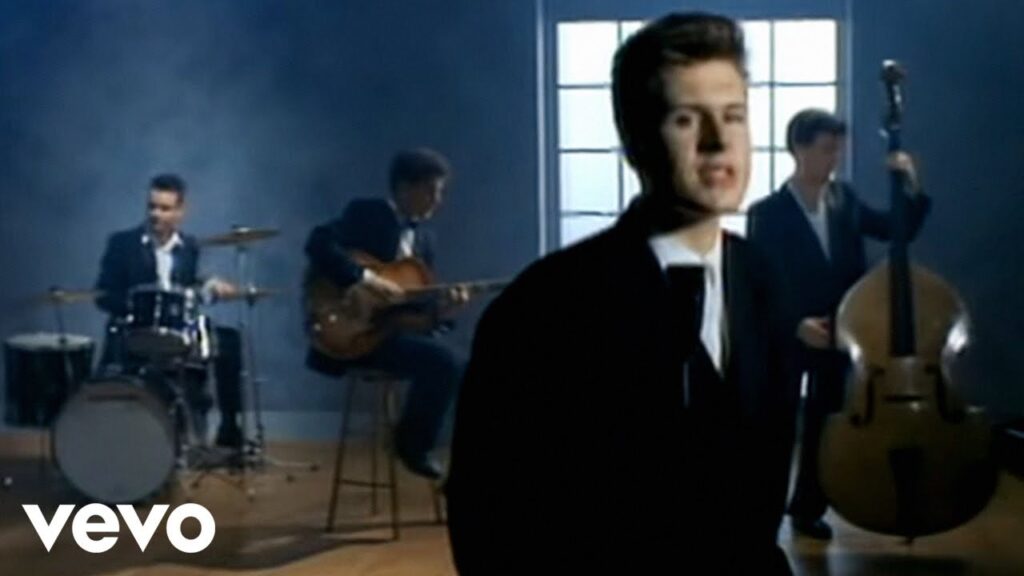
Released in July 1988 as the third single from All That Jazz, “Hands to Heaven” became the breakthrough hit that introduced millions of listeners to the British pop group Breathe. Built around a graceful melody, understated production, and an emotional vocal performance by David Glasper, the song climbed to No. 2 on the Billboard Hot 100 in the United States, becoming the band’s biggest international success. While the late 1980s were filled with dramatic power ballads and larger-than-life pop productions, “Hands to Heaven” stood apart with its quiet elegance and heartfelt sincerity.
More than three decades later, the song remains a favorite on adult contemporary and soft rock playlists. Its timeless melody and gentle atmosphere continue to resonate with listeners who appreciate beautifully crafted romantic ballads.
Introducing Breathe
Breathe formed in London during the mid-1980s, consisting of vocalist David Glasper, guitarist Marcus Lillington, bassist Michael Delahunty, and drummer Ian Spice. Influenced by sophisticated pop, soul, and jazz, the band developed a polished sound that blended smooth instrumentation with emotionally expressive songwriting.
Their debut album, All That Jazz, showcased those influences perfectly, producing several successful singles. While songs like “How Can I Fall?” also found chart success, it was “Hands to Heaven” that established Breathe as an international act.
Its success demonstrated that subtlety could still thrive in an era increasingly dominated by bombastic productions.
A Song About Longing
At its heart, “Hands to Heaven” explores the lingering emotions that remain after love has changed or ended.
The narrator reflects on memories of intimacy while struggling with the distance that now separates two people. Rather than expressing anger or regret, the lyrics focus on yearning and hope, capturing the bittersweet feeling of remembering happier times.
The imagery throughout the song creates an atmosphere of quiet reflection, making the emotional experience feel deeply personal while remaining relatable to anyone who has experienced loss or separation.
That universal message has contributed significantly to the song’s lasting appeal.
David Glasper’s Soulful Vocal
One of the song’s greatest strengths is David Glasper’s vocal performance.
His voice combines warmth, vulnerability, and remarkable control, allowing every line to feel sincere. Instead of relying on dramatic vocal flourishes, Glasper lets the melody carry the emotion, delivering each phrase with understated confidence.
As the arrangement gradually builds, his performance becomes more powerful without ever losing its intimate character.
The result is one of the most memorable vocal performances in adult contemporary music during the late 1980s.
Sophisticated Production
Produced by Bob Sargeant, “Hands to Heaven” reflects the polished studio craftsmanship that characterized many of the decade’s finest pop recordings.
Soft synthesizer textures blend seamlessly with tasteful guitar work and restrained percussion, creating an arrangement that feels rich without becoming overwhelming. Every instrument serves the song’s emotional mood rather than competing for attention.
The production emphasizes space and atmosphere, allowing listeners to focus on the melody and vocals.
Unlike many recordings from the period that relied heavily on studio effects, “Hands to Heaven” has aged gracefully because of its balanced, uncluttered sound.
Standing Apart from the Crowd
The late 1980s produced no shortage of romantic ballads.
Artists like Richard Marx, Chicago, Foreigner, and Bad English all enjoyed success with emotionally charged love songs. Breathe distinguished themselves by avoiding excessive drama.
“Hands to Heaven” feels more reflective than theatrical. Instead of building toward an explosive climax, it maintains a consistent emotional tone throughout, creating a sense of quiet intimacy that sets it apart from many of its contemporaries.
That restraint remains one of the song’s defining qualities.
Climbing the Charts
“Hands to Heaven” became Breathe’s signature hit.
The single reached No. 2 on the Billboard Hot 100 in the summer of 1988, held out of the top spot only by Steve Winwood’s “Roll With It.” It also enjoyed tremendous success on the Adult Contemporary chart and performed well internationally.
The song’s popularity helped drive sales of All That Jazz, introducing audiences around the world to the band’s sophisticated style.
Although Breathe continued recording and released additional successful singles, “Hands to Heaven” remains the song most closely associated with their career.
The Music Video
The music video perfectly complements the song’s understated beauty.
Featuring the band performing in softly lit settings interwoven with romantic imagery, the video emphasizes atmosphere rather than elaborate storytelling. Warm lighting, elegant cinematography, and subtle visual transitions reinforce the reflective mood established by the music.
Its frequent airplay on MTV and VH1 helped broaden the band’s audience, particularly in North America.
The visual simplicity mirrors the emotional honesty that defines the recording itself.
Why the Song Endures
Many love songs fade because they become tied too closely to a particular era.
“Hands to Heaven” has largely avoided that fate thanks to its timeless songwriting and tasteful production. The melody remains immediately memorable, while the lyrics continue to resonate with listeners experiencing love, longing, or nostalgia.
David Glasper’s restrained vocal also contributes significantly to its longevity. His performance never feels exaggerated, allowing the emotional message to remain authentic decades after the song’s release.
It remains one of the finest examples of sophisticated adult contemporary pop from the late 1980s.
Legacy
“Hands to Heaven” stands as Breathe’s defining achievement and one of the most elegant romantic ballads of its generation. At a time when many artists pursued louder arrangements and bigger vocal performances, Breathe demonstrated the power of subtlety, crafting a song built on atmosphere, melody, and genuine emotion.
Although the band never again matched the commercial success of this single, its influence continues through decades of radio play, streaming, and nostalgic playlists celebrating the best of the 1980s. The song also serves as a reminder that memorable music doesn’t always require grand gestures; sometimes a beautiful melody, heartfelt lyrics, and a sincere performance are more than enough.
More than thirty-five years after it first reached the charts, “Hands to Heaven” remains a shining example of sophisticated pop craftsmanship. Gentle, romantic, and emotionally rich, it continues to touch listeners with the same quiet grace that made it one of the standout ballads of 1988.
This post has already been read 90 times!