Released in May 1982 as the lead single from Chicago 16, “Hard to Say I’m Sorry” marked one of the most important turning points in Chicago’s long and successful career. Blending heartfelt emotion with polished pop production, the song became the band’s first No. 1 hit on the Billboard Hot 100 in six years and introduced them to a new generation of listeners. Featuring Peter Cetera’s unmistakable lead vocal and David Foster’s sleek production, it helped transform Chicago from a horn-driven rock band into one of the biggest adult contemporary acts of the 1980s.
More than four decades later, “Hard to Say I’m Sorry” remains one of the band’s signature songs and one of the defining power ballads of its era.
A New Beginning for Chicago
By the early 1980s, Chicago found themselves at a crossroads.
After dominating the 1970s with a unique blend of rock, jazz, pop, and brass arrangements, the band had experienced declining commercial success. Musical tastes had shifted dramatically, and Chicago needed a fresh approach to reconnect with mainstream audiences.
That opportunity came with producer David Foster.
Foster streamlined the band’s sound, placing greater emphasis on melody, polished arrangements, and Peter Cetera’s soaring voice. While some longtime fans missed the prominent horn sections of earlier albums, the new direction proved enormously successful.
“Hard to Say I’m Sorry” became the song that launched Chicago’s second act.
A Universal Story of Regret
At its heart, “Hard to Say I’m Sorry” explores one of the most common experiences in any relationship.
The narrator recognizes mistakes, expresses genuine remorse, and hopes for forgiveness while reaffirming the importance of the relationship. Rather than dwelling on blame or conflict, the lyrics focus on reconciliation and the willingness to grow together.
The song’s emotional honesty made it instantly relatable.
Almost everyone has experienced moments when admitting fault felt difficult, making its central message timeless.
That sincerity continues to resonate decades after its release.
Peter Cetera’s Signature Performance
Peter Cetera had always been one of Chicago’s defining voices, but “Hard to Say I’m Sorry” showcased him at his absolute best.
His tenor is warm, expressive, and remarkably controlled throughout the song. The verses are delivered with quiet vulnerability before gradually building toward an emotionally powerful chorus.
Cetera never relies on excessive vocal theatrics. Instead, his performance communicates sincerity through subtle phrasing and impeccable timing.
It remains one of the finest vocal recordings of his career.
David Foster’s Elegant Production
Producer David Foster played a pivotal role in shaping the song’s success.
His polished arrangement begins with soft piano and understated synthesizers before gradually introducing additional instrumentation. Rather than overwhelming the listener, the production builds naturally, allowing the emotional weight of the performance to increase with each verse.
The song concludes with the energetic “Get Away” section, providing an unexpected burst of optimism after the reflective ballad. This transition gave listeners something unique compared to the standard love songs dominating radio at the time.
The production helped define the sophisticated adult contemporary sound of the 1980s.
Returning to the Top of the Charts
“Hard to Say I’m Sorry” became one of the biggest hits of Chicago’s career.
The single reached No. 1 on the Billboard Hot 100 in September 1982 while also topping the Adult Contemporary chart and performing strongly around the world. It revitalized the band’s commercial fortunes and helped Chicago 16 become a major success.
The song opened the door for an extraordinary run of 1980s hits including “You’re the Inspiration,” “Stay the Night,” “Hard Habit to Break,” and “Will You Still Love Me?”
Chicago had successfully reinvented themselves.
The Music Video
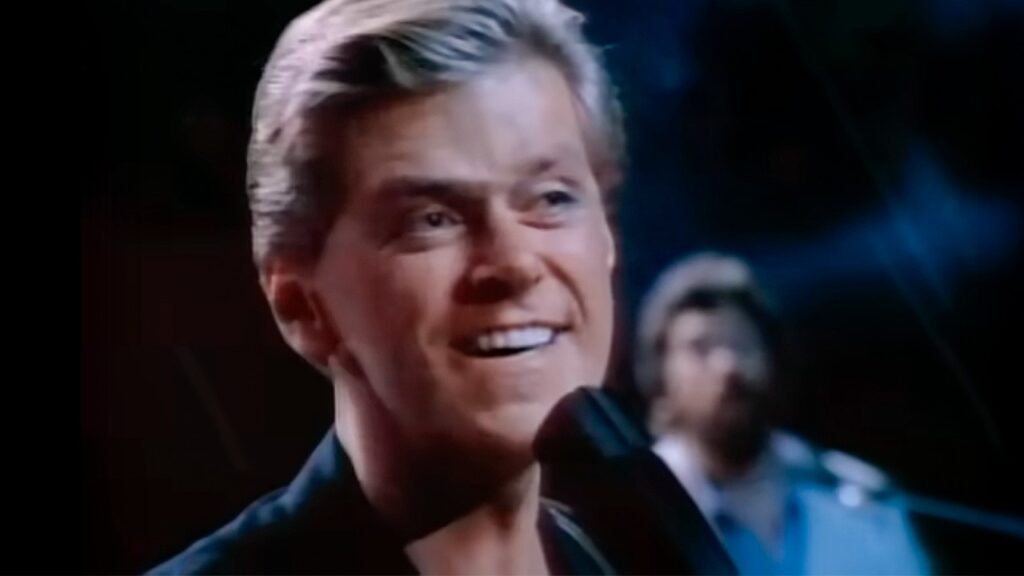
As MTV began transforming the music industry, “Hard to Say I’m Sorry” benefited from a memorable promotional video featuring the band performing the song with dramatic lighting and elegant visual styling.
While relatively straightforward compared to later MTV productions, the video emphasized the emotional sincerity of the performance rather than elaborate storytelling.
Peter Cetera’s charismatic presence helped make the clip one of the band’s most recognizable visual performances.
It introduced Chicago to younger viewers discovering music through television.
A Song That Bridges Generations
One reason “Hard to Say I’m Sorry” has endured is its remarkable accessibility.
Rock fans appreciate the musicianship, pop audiences embrace the memorable melody, and adult contemporary listeners connect with its heartfelt message. Its polished production has also aged gracefully, avoiding many of the trends that date other recordings from the early 1980s.
The emotional themes remain universally relevant regardless of generation.
Its message of forgiveness never goes out of style.
Why It Remains a Classic
The song succeeds because every element works together seamlessly.
Strong songwriting, elegant production, an unforgettable vocal performance, and timeless subject matter combine to create a recording that still sounds fresh today. Rather than relying on dramatic effects or gimmicks, it builds its emotional impact through honesty and craftsmanship.
That approach has helped it remain one of Chicago’s most frequently played songs on radio and streaming services.
Its popularity shows no signs of fading.
Legacy
“Hard to Say I’m Sorry” stands as one of Chicago’s greatest achievements and one of the defining adult contemporary hits of the 1980s. It marked the beginning of a remarkable career resurgence while demonstrating the band’s willingness to evolve without losing its musical identity.
The song also cemented Peter Cetera’s reputation as one of pop music’s finest vocalists and highlighted David Foster’s extraordinary gifts as a producer and arranger. Together, they created a recording that balanced emotional vulnerability with commercial appeal in a way few songs have managed.
More than forty years after reaching No. 1, “Hard to Say I’m Sorry” continues to comfort listeners with its message of forgiveness, reconciliation, and enduring love. Beautifully written, flawlessly performed, and timeless in its appeal, it remains one of the essential ballads of the MTV generation and one of Chicago’s most enduring classics.
This post has already been read 88 times!