Released in June 1988 as the third single from his self-titled debut album, “Hold On to the Nights” became Richard Marx’s first No. 1 hit on the Billboard Hot 100 and established him as one of the premier singer-songwriters of the late 1980s. Combining heartfelt lyrics, soaring melodies, and a polished adult contemporary sound, the ballad showcased Marx’s gift for writing emotionally resonant songs that connected with a wide audience. While his debut album had already produced successful singles, “Hold On to the Nights” elevated him from promising newcomer to bona fide pop superstar.
More than three decades later, the song remains one of Marx’s signature recordings and a defining power ballad of its era.
A Long Road to Success
Richard Marx’s path to stardom was anything but overnight.
Born in Chicago, Marx moved to Los Angeles in the early 1980s, where he built a reputation as a songwriter, background vocalist, and producer. He contributed backing vocals to recordings by artists such as Lionel Richie, Madonna, Kenny Rogers, and Whitney Houston while honing his own songwriting skills.
Those years behind the scenes prepared him for a successful solo career.
When his debut album Richard Marx arrived in 1987, it immediately demonstrated his ability to write songs that blended pop, rock, and adult contemporary influences with remarkable consistency.
“Hold On to the Nights” became the album’s emotional centerpiece.
A Story of Love Worth Saving
At its core, “Hold On to the Nights” is about fighting for a relationship during difficult times.
The lyrics acknowledge uncertainty and emotional struggles while encouraging two people to remember the moments that first brought them together. Rather than giving up when challenges arise, the song argues that cherished memories can provide the strength needed to move forward.
Its message is hopeful without ignoring the realities of conflict.
That emotional honesty has helped listeners connect with the song for decades.
Richard Marx’s Songwriting Strength
One of the reasons the song has endured is the quality of Marx’s songwriting.
He avoids unnecessary complexity, choosing instead to express universal emotions with sincerity and clarity. Every verse naturally builds toward the unforgettable chorus, where the title phrase becomes both a plea and a promise.
The lyrics leave enough room for personal interpretation while remaining specific enough to feel genuine.
It’s a balance that few songwriters consistently achieve.
A Powerful Yet Controlled Vocal
Richard Marx delivers one of the strongest vocal performances of his career on “Hold On to the Nights.”
His voice begins with quiet vulnerability before gradually increasing in intensity as the song unfolds. Rather than relying on dramatic vocal flourishes, Marx emphasizes emotion through phrasing, tone, and careful dynamics.
By the final chorus, his performance reaches an emotional peak that feels earned rather than exaggerated.
The result is both intimate and uplifting.
Elegant Production
Produced by Richard Marx and David Cole, the recording exemplifies the polished sound that defined many of the era’s best ballads.
Soft piano introduces the melody before tasteful keyboards, guitars, strings, and percussion gradually expand the arrangement. Every instrument supports the vocal without overpowering it, allowing the emotional message to remain the song’s focal point.
The production captures the warmth and sophistication that characterized late-1980s adult contemporary music.
Its timeless quality has helped the recording age gracefully.
Reaching No. 1
“Hold On to the Nights” became Richard Marx’s breakthrough hit.
The single climbed to No. 1 on the Billboard Hot 100 in July 1988, making him one of the year’s biggest new stars. It also performed strongly on the Adult Contemporary chart and helped his debut album achieve multi-platinum success.
The achievement marked the beginning of an extraordinary run that would include additional chart-toppers such as “Satisfied” and “Right Here Waiting.”
Marx quickly established himself as one of the decade’s most reliable hitmakers.
The Music Video
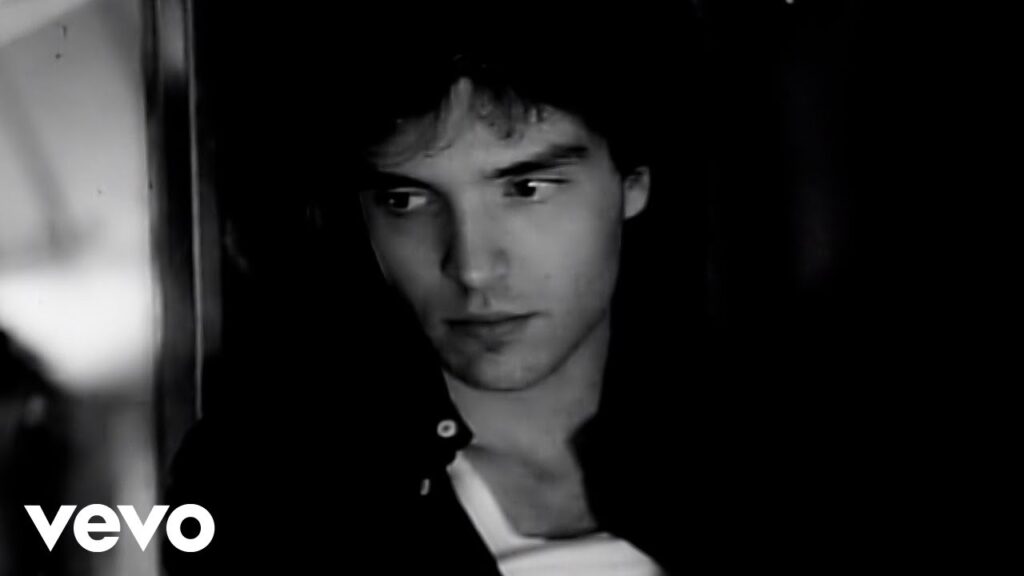
The music video reflects the emotional tone of the song through understated storytelling and performance footage.
Rather than relying on elaborate special effects, it emphasizes the themes of love, longing, and commitment expressed in the lyrics. Richard Marx’s sincere performance allows the emotion of the song to remain front and center.
The video’s simplicity complemented the song’s heartfelt message.
Regular MTV and VH1 airplay introduced Marx to millions of viewers and helped expand his growing fan base.
Why It Continues to Connect
“Hold On to the Nights” remains popular because its message never loses relevance.
Relationships inevitably experience difficult moments, and the song’s encouragement to remember happier times continues to resonate with listeners of every generation. Its hopeful perspective offers comfort without feeling unrealistic.
Musically, the recording also benefits from timeless craftsmanship. The melody is memorable, the arrangement is tasteful, and Marx’s vocal remains as moving today as it was upon release.
It continues to be a favorite at concerts and on adult contemporary playlists.
Legacy
“Hold On to the Nights” stands as one of Richard Marx’s defining achievements and one of the standout power ballads of the late 1980s. It announced the arrival of a gifted singer-songwriter capable of combining commercial appeal with genuine emotional depth, helping launch a career filled with chart-topping hits and enduring favorites.
The song also demonstrated that sincerity could still thrive in mainstream pop music. Its elegant production, memorable melody, and heartfelt performance continue to influence singer-songwriters who seek to balance emotional honesty with polished craftsmanship.
Nearly forty years after reaching No. 1, “Hold On to the Nights” remains one of Richard Marx’s most beloved recordings. Tender, uplifting, and beautifully performed, it continues to remind listeners that love is often strongest when people choose to hold on through life’s most challenging moments.
This post has already been read 82 times!