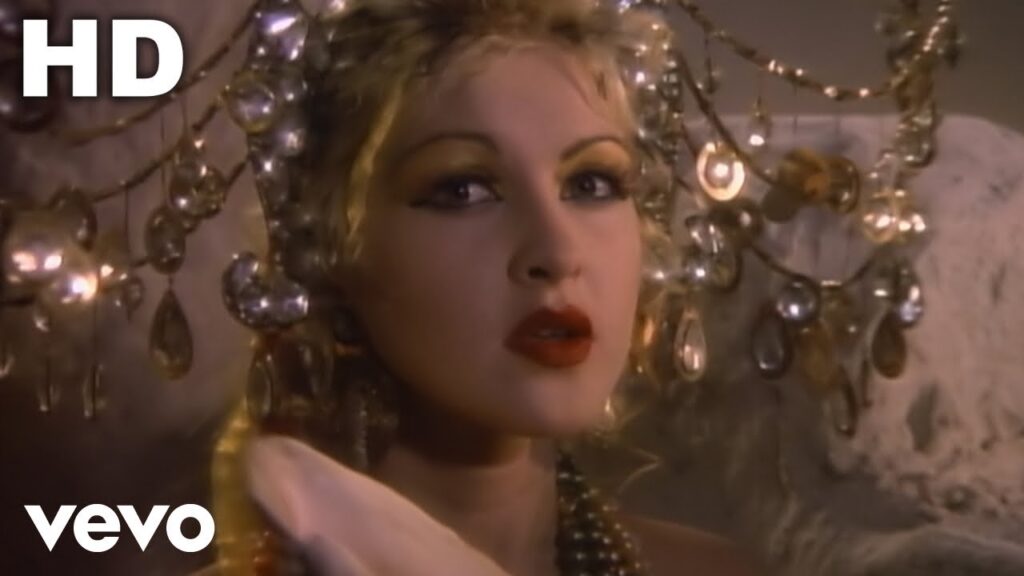
Released in August 1986 as the title track and second single from her sophomore album True Colors, “True Colors” marked a dramatic artistic shift for Cyndi Lauper. After exploding onto the music scene with colorful, energetic hits like “Girls Just Want to Have Fun,” “Time After Time,” and “She Bop,” Lauper surprised audiences with a gentle, heartfelt ballad that showcased the depth of her voice and emotional range. The song reached No. 1 on the Billboard Hot 100, becoming one of the defining ballads of the decade and one of the most enduring recordings of her career.
More than forty years later, “True Colors” remains a universal anthem of acceptance, compassion, and self-worth. Its timeless message has allowed it to transcend generations and become meaningful to people from all walks of life.
A New Chapter for Cyndi Lauper
By 1986, Cyndi Lauper had already become one of the biggest stars in pop music.
Her debut album, She’s So Unusual, had made her an international sensation, thanks to its mix of infectious pop, quirky personality, and unforgettable fashion. Lauper’s playful image often overshadowed the remarkable vocal talent that had been there all along.
With True Colors, she deliberately took a different approach.
The album explored more mature themes and allowed her to showcase a quieter, more intimate side of her artistry.
The title song perfectly captured that evolution.
A Song of Encouragement
Written by Billy Steinberg and Tom Kelly, “True Colors” is a message of reassurance for someone struggling with self-doubt or emotional hardship.
The narrator offers unconditional support, reminding another person that their genuine qualities remain beautiful even during difficult times. Rather than focusing on romance, the song emphasizes empathy, understanding, and believing in someone when they cannot believe in themselves.
Its message is remarkably universal.
Whether heard by a friend, family member, or loved one, the song speaks to anyone who has ever needed encouragement.
That emotional honesty has given it extraordinary staying power.
One of Lauper’s Finest Vocal Performances
“True Colors” features perhaps the most restrained and emotionally powerful vocal of Cyndi Lauper’s career.
Known for her expressive, energetic singing, Lauper chooses subtlety instead. She allows each phrase to breathe, delivering the lyrics with warmth, vulnerability, and sincerity.
As the song gradually builds, so does her emotional intensity.
The climax feels earned rather than forced, making the performance deeply moving without ever becoming melodramatic.
It remains one of the finest vocal recordings of the 1980s.
Beautifully Crafted Songwriting
Billy Steinberg and Tom Kelly were among the decade’s premier songwriting teams, and “True Colors” ranks among their greatest achievements.
The lyrics are simple yet profoundly meaningful, avoiding unnecessary complexity in favor of direct emotional communication. Every line serves the central message of acceptance and hope.
The melody is equally memorable.
Its graceful progression supports the emotional weight of the lyrics while remaining instantly recognizable.
The result is a song that feels both intimate and universal.
Elegant Production
Produced by Cyndi Lauper, Lennie Petze, and Russ Titelman, the recording favors restraint over excess.
Soft keyboards, tasteful percussion, subtle guitar, and delicate harmonies create an intimate atmosphere that allows Lauper’s voice to remain the emotional centerpiece. Unlike many heavily produced ballads of the era, “True Colors” never overwhelms the listener.
Its simplicity is one of its greatest strengths.
The production has aged beautifully because it focuses on emotion rather than trends.
A Chart-Topping Success
“True Colors” became one of the biggest hits of Lauper’s career.
The single reached No. 1 on the Billboard Hot 100, topped the Adult Contemporary chart, and enjoyed significant international success. It helped establish True Colors as another successful album while demonstrating Lauper’s remarkable artistic versatility.
The song proved she was far more than an energetic pop star.
She had matured into one of the decade’s most compelling vocalists.
A Lasting Cultural Impact
Over the years, “True Colors” has taken on a life beyond the charts.
Its message of authenticity, compassion, and acceptance has made it a popular choice for charity events, graduations, memorials, and inspirational moments. The song has also become closely associated with the LGBTQ+ community, serving as an anthem celebrating individuality, dignity, and the courage to be oneself.
Its meaning continues to evolve while remaining true to its original spirit.
That adaptability has helped keep it relevant for decades.
Why It Continues to Inspire
The lasting power of “True Colors” comes from its genuine emotional honesty.
Everyone experiences moments of insecurity or self-doubt. The song reminds listeners that their value isn’t determined by temporary hardships or the opinions of others. That reassuring message resonates just as strongly today as it did in 1986.
Combined with Lauper’s unforgettable vocal performance, the result is a recording that continues to comfort and inspire.
It remains one of the most uplifting ballads ever recorded.
Legacy
“True Colors” stands as one of Cyndi Lauper’s greatest achievements and one of the defining inspirational songs of the 1980s. It revealed a quieter, more mature side of an artist already known for her bold personality, demonstrating that emotional subtlety could be every bit as powerful as exuberant pop.
Its chart success, enduring popularity, and profound cultural significance have secured its place among the most beloved songs of its era. More importantly, it continues to remind listeners that kindness, compassion, and authenticity never go out of style.
More than forty years after reaching No. 1, “True Colors” remains a beacon of hope for anyone who has ever struggled to see their own worth. Gentle, heartfelt, and beautifully performed, it stands as one of the greatest ballads of the MTV generation and one of Cyndi Lauper’s most enduring masterpieces.
This post has already been read 77 times!