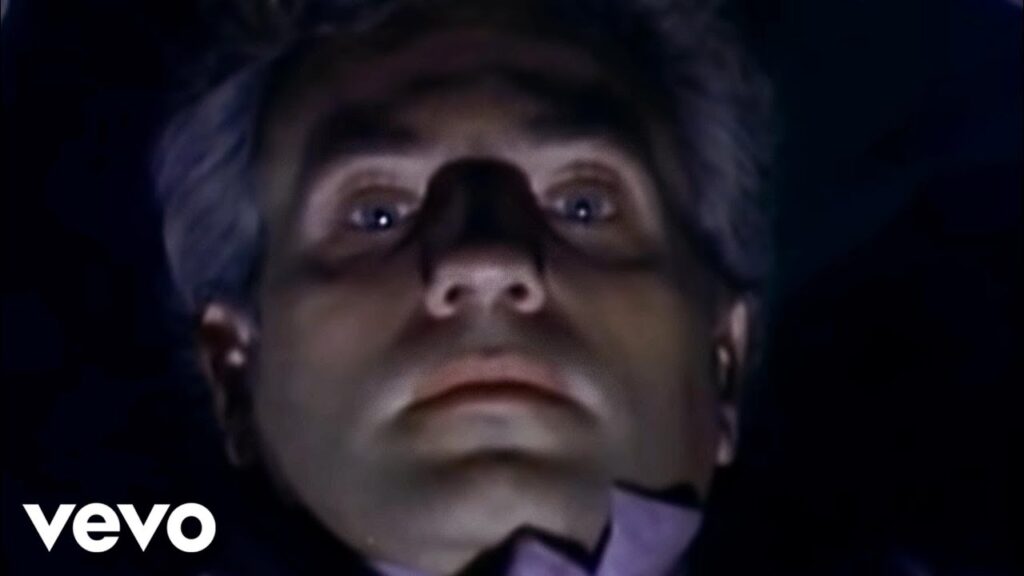
Love it or hate it, “Mr. Roboto” by Styx is impossible to ignore. Released in 1983 as the lead single from the band’s ambitious concept album Kilroy Was Here, the song became one of the most talked-about rock records of the decade. Blending progressive rock, synth-pop, theatrical storytelling, and science fiction, “Mr. Roboto” pushed Styx far beyond the arena rock sound that had made them famous.
The song’s futuristic production, memorable chorus, and famous phrase, “Domo arigato, Mr. Roboto,” instantly became part of pop culture. While it divided fans and critics upon release, time has been surprisingly kind to the record. Today, it’s remembered as one of the boldest musical risks any major rock band took during the 1980s.
More than forty years later, “Mr. Roboto” remains one of Styx’s signature songs and one of the era’s most recognizable recordings.
Styx at a Crossroads
By the early 1980s, Styx had become one of America’s biggest rock bands.
Albums like The Grand Illusion, Pieces of Eight, and Paradise Theatre produced massive hits including “Come Sail Away,” “Babe,” “Renegade,” and “Too Much Time on My Hands.”
Rather than simply repeating their successful formula, singer and songwriter Dennis DeYoung envisioned something much more ambitious.
He wanted to tell a complete story.
The result became Kilroy Was Here, a concept album set in a future where rock music had been outlawed.
It was a massive creative gamble.
The Story Behind the Song
“Mr. Roboto” introduces the album’s central character, Robert Orin Charles Kilroy, a rock star imprisoned by authoritarian forces who escapes by disguising himself as a robot.
The song serves as the opening chapter in that science-fiction narrative.
Without understanding the album’s story, some of the lyrics may seem unusual.
Within the context of Kilroy Was Here, however, every line serves a purpose.
The song explores themes of censorship, identity, technology, and freedom of expression.
Those ideas felt especially relevant during a period when debates about music censorship were becoming increasingly prominent.
“Domo Arigato” Becomes a Catchphrase
Few song lyrics have entered everyday conversation as quickly as “Domo arigato, Mr. Roboto.”
Although “domo arigato” is a Japanese expression meaning “thank you very much,” many listeners encountered the phrase for the first time through Styx.
Almost overnight, it became a pop culture catchphrase.
People repeated it at school.
On television.
In commercials.
Even those unfamiliar with the song often recognized the phrase immediately.
Its playful delivery helped make “Mr. Roboto” unforgettable.
Dennis DeYoung’s Vision
As Styx’s principal creative force behind the project, Dennis DeYoung embraced theatrical songwriting unlike almost anything else in mainstream rock.
His background in progressive rock and musical theater shaped every aspect of “Mr. Roboto.”
The song constantly shifts between spoken narration, melodic verses, dramatic choruses, and electronic textures.
Lesser writers might have turned the concept into confusion.
DeYoung somehow made it catchy.
His willingness to experiment remains one of the song’s greatest strengths.
A Perfect Blend of Rock and Synth-Pop
Musically, “Mr. Roboto” reflects the changing sound of the early 1980s.
Synthesizers take center stage.
Electronic percussion blends with traditional rock instrumentation.
Layered vocal harmonies provide dramatic depth.
The arrangement moves effortlessly between quiet storytelling and explosive choruses.
Rather than abandoning Styx’s rock roots, the song expands them.
It embraces new technology without losing the band’s signature musicianship.
That balance helped the recording stand apart from countless imitators.
A Massive Commercial Hit
Released in early 1983, “Mr. Roboto” quickly became Styx’s biggest hit in years.
The single climbed to No. 3 on the Billboard Hot 100, becoming one of the band’s highest-charting songs.
The elaborate music video received heavy rotation on MTV, whose growing influence helped expose the song to millions of younger viewers.
Commercially, the gamble paid off.
Artistically, however, the response proved far more complicated.
A Song That Divided the Band
While “Mr. Roboto” succeeded on the charts, it also created significant tension within Styx.
Not every band member shared Dennis DeYoung’s enthusiasm for the elaborate concept behind Kilroy Was Here.
Some preferred a more straightforward rock direction.
The disagreements eventually contributed to fractures within the group that led to lineup changes and periods of inactivity.
Ironically, one of Styx’s biggest hits also marked the beginning of one of its most turbulent chapters.
From Controversial to Beloved
When first released, many longtime fans criticized “Mr. Roboto” for relying too heavily on synthesizers and theatrical storytelling.
Others admired its originality.
Over time, public opinion gradually shifted.
Today, the song is often celebrated precisely because it dared to be different.
Its quirky personality, futuristic themes, and unapologetic ambition have helped it age remarkably well.
In an era when many bands played it safe, Styx attempted something genuinely unique.
A Lasting Pop Culture Icon
“Mr. Roboto” has continued appearing in films, television shows, sporting events, and commercials for decades.
The famous chorus remains instantly recognizable to audiences around the world.
Even listeners unfamiliar with the complete Kilroy Was Here storyline know the song’s unforgettable hook.
It has become one of those rare recordings that transcends its original context while encouraging curious listeners to explore the larger story behind it.
A Risk That Still Pays Off
More than forty years after its release, “Mr. Roboto” continues proving that bold artistic risks can leave the longest-lasting impressions. Its combination of science fiction storytelling, infectious melodies, futuristic production, and Dennis DeYoung’s imaginative songwriting created a record unlike anything else on mainstream radio in 1983.
The song challenged expectations, divided audiences, and ultimately earned its place among the defining hits of the decade. Whether appreciated as a clever pop single, a progressive rock experiment, or the opening chapter of an ambitious concept album, “Mr. Roboto” remains endlessly fascinating.
For Styx, it became much more than another chart success. It stands as a reminder that sometimes the most memorable music comes from artists willing to ignore convention, embrace creativity, and take chances—even when the results spark controversy. That’s exactly what makes “Mr. Roboto” one of the most unforgettable songs of the 1980s.
This post has already been read 91 times!