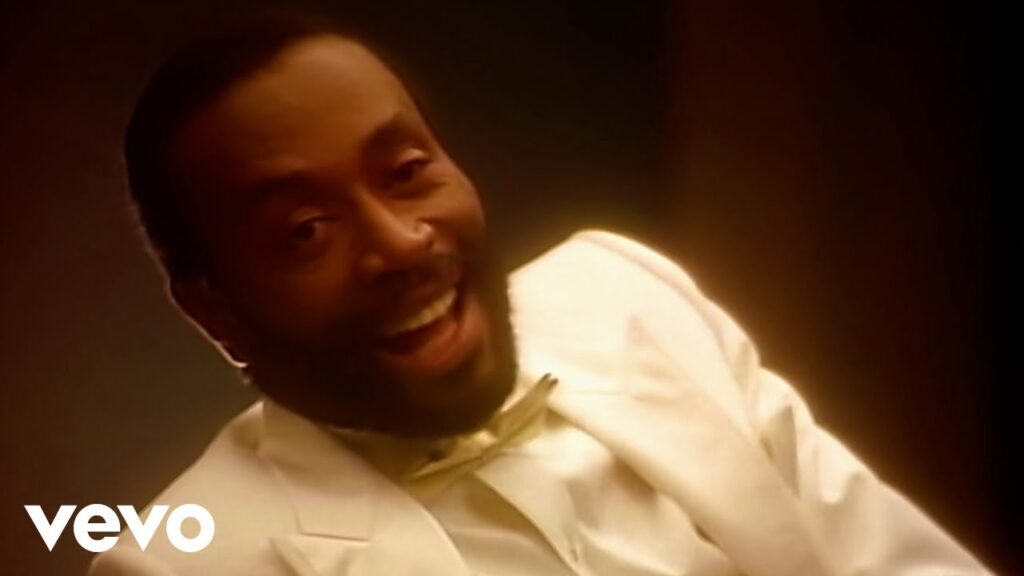
In an era dominated by synthesizers, electric guitars, and increasingly elaborate studio productions, Bobby McFerrin achieved something almost unimaginable. In 1988, he released “Don’t Worry, Be Happy,” a song with no traditional instruments at all. Every sound listeners hear—from the melody to the bass line to the percussion-like rhythms—was created using nothing more than the human voice. The result was one of the most distinctive and uplifting pop hits of the decade, becoming the first entirely a cappella song to reach No. 1 on the Billboard Hot 100.
At first glance, “Don’t Worry, Be Happy” seems almost deceptively simple. Its cheerful melody and laid-back message encourage listeners to let go of life’s problems. Yet beneath its easygoing surface lies an extraordinary display of musical creativity, vocal technique, and innovative production. More than thirty-five years after its release, the song remains one of the most recognizable recordings in popular music history.
Bobby McFerrin was already highly respected in jazz circles before becoming a pop sensation. Born into a musical family, he developed an extraordinary ability to use his voice as a complete musical instrument. Rather than simply singing melodies, McFerrin created percussion, bass lines, harmonies, and instrumental effects entirely with vocal sounds. His improvisational concerts frequently amazed audiences, as he built rich musical textures without the assistance of a band.
The inspiration for “Don’t Worry, Be Happy” came from an unexpected source. McFerrin noticed a poster featuring the phrase “Don’t Worry, Be Happy,” a slogan made famous by Indian spiritual teacher Meher Baba. The simple message resonated with him, inspiring a song that celebrated optimism without becoming preachy or sentimental.
Instead of writing a conventional motivational anthem, McFerrin crafted something playful and inviting. The lyrics acknowledge life’s everyday frustrations while suggesting that maintaining a positive outlook can make difficult situations easier to face.
One of the song’s greatest achievements is its entirely vocal arrangement. Every rhythmic beat, bass note, harmony, and melodic flourish was performed by McFerrin himself through multiple overdubbed vocal tracks. This approach was revolutionary for mainstream pop music. Although a cappella groups had existed for generations, no artist had achieved such massive commercial success using only layered human voices.
The production showcases McFerrin’s remarkable versatility. He seamlessly shifts between deep bass parts, crisp rhythmic effects, warm harmonies, and clear lead vocals. Each vocal layer occupies its own space, creating the illusion of a full band despite the complete absence of traditional instruments.
The recording also demonstrates remarkable restraint. Rather than overwhelming listeners with technical complexity, McFerrin keeps the arrangement light and uncluttered. Every vocal part serves the song’s relaxed mood, allowing the melody and message to remain front and center.
Vocally, McFerrin delivers a performance that feels effortless. His warm, conversational tone makes the listener feel as though a friend is offering encouragement rather than a performer delivering a polished studio production. That approachable style became one of the recording’s greatest strengths.
His playful improvisations, subtle vocal inflections, and infectious sense of rhythm add personality throughout the song. Even repeated listens reveal small vocal details that are easy to miss initially, highlighting the extraordinary craftsmanship behind what initially appears to be a simple recording.
Lyrically, “Don’t Worry, Be Happy” embraces optimism without ignoring reality. Rather than pretending life is free of challenges, the song acknowledges common problems—financial difficulties, housing issues, and everyday stress—while encouraging resilience and perspective. Its message isn’t that problems magically disappear, but that anxiety often makes them more difficult to manage.
That universal message helped the song resonate across cultures and generations. Whether listeners viewed it as motivational advice, lighthearted humor, or simply a catchy tune, the recording offered a refreshing sense of positivity during an increasingly fast-paced world.
Released in 1988 as part of the soundtrack to the film Cocktail before appearing on McFerrin’s album Simple Pleasures, “Don’t Worry, Be Happy” quickly became an international phenomenon. It reached No. 1 on the Billboard Hot 100, making history as the first fully a cappella song ever to top the chart. It also achieved strong chart success in Canada, Australia, the United Kingdom, and numerous other countries.
The music video further boosted the song’s popularity. Featuring comedian Robin Williams and actor Bill Irwin alongside McFerrin, the video perfectly captured the recording’s playful spirit. Their humorous performances complemented the song’s carefree atmosphere, making it a staple of MTV during the late 1980s.
The song’s commercial success culminated at the 1989 Grammy Awards, where it won three of the night’s biggest honors: Song of the Year, Record of the Year, and Best Male Pop Vocal Performance. These awards recognized not only the recording’s popularity but also its remarkable originality and musical innovation.
Despite becoming forever associated with one enormous hit, Bobby McFerrin continued to enjoy a highly respected career as a jazz musician, conductor, educator, and vocal innovator. While “Don’t Worry, Be Happy” introduced him to mainstream audiences, his broader body of work demonstrated a depth and versatility that extended far beyond pop music.
The song’s influence on modern vocal music has been substantial. Contemporary a cappella groups, beatbox artists, and vocal ensembles frequently cite McFerrin’s pioneering work as an inspiration. His innovative use of layered voices helped expand public appreciation for what could be accomplished using nothing but the human voice.
Over the years, “Don’t Worry, Be Happy” has become deeply embedded in popular culture. It has appeared in films, television shows, commercials, sporting events, and countless playlists celebrating feel-good music. The title itself has entered everyday language as a reminder to maintain perspective during stressful situations.
The recording has occasionally been misunderstood as encouraging people to ignore serious problems. McFerrin has consistently emphasized that the song was intended as an invitation to approach life’s challenges with optimism rather than denial. Its message is less about pretending difficulties don’t exist and more about recognizing that attitude can shape how we respond to them.
Today, “Don’t Worry, Be Happy” remains one of the most distinctive songs ever to reach the top of the charts. Its entirely vocal arrangement, unforgettable melody, and timeless message continue to charm listeners of all ages. In an industry often driven by increasingly complex production and technological innovation, Bobby McFerrin proved that creativity, musicianship, and a simple human voice could be more than enough.
More than three decades after its release, the song continues to inspire smiles wherever it is played. Its cheerful spirit, groundbreaking production, and universal optimism ensure that “Don’t Worry, Be Happy” remains not only Bobby McFerrin’s signature achievement but also one of the most joyful and innovative recordings in the history of popular music.
This post has already been read 79 times!