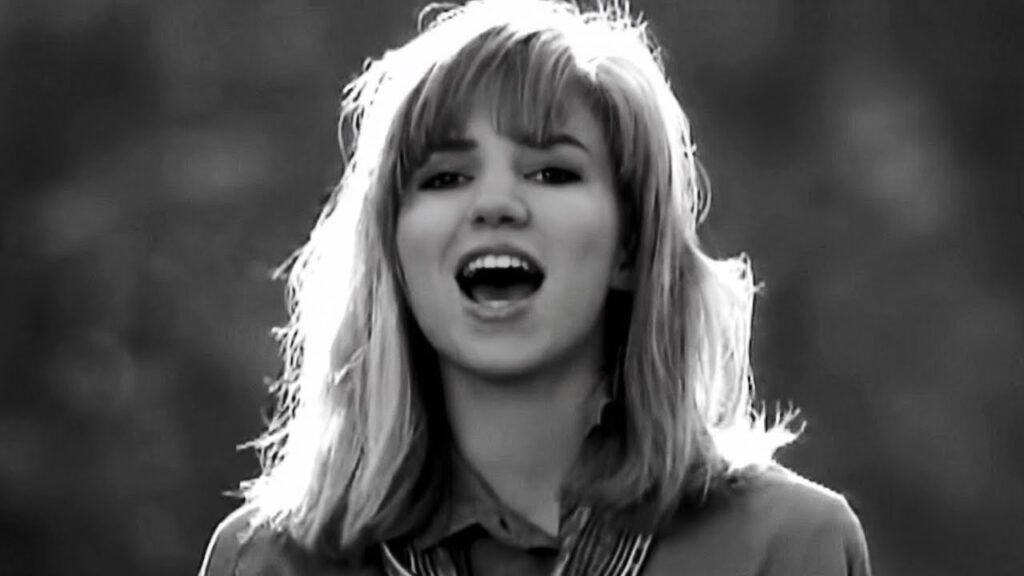
By the close of the 1980s, Debbie Gibson had accomplished something few teenage artists ever achieve. Not only had she become a chart-topping pop star, but she had written, produced, and performed her own music at a time when female singer-songwriters were still a rarity in mainstream pop. In 1989, she reached another career milestone with “Lost in Your Eyes,” a heartfelt ballad that became her first—and only—No. 1 hit on the Billboard Hot 100. Elegant, sincere, and beautifully crafted, the song showcased a level of songwriting maturity that silenced critics who dismissed her as simply another teen idol.
More than thirty-five years later, “Lost in Your Eyes” remains Debbie Gibson’s signature love song. Its timeless melody, understated production, and emotional honesty have allowed it to outlast many of the era’s bigger, more heavily produced power ballads.
Debbie Gibson’s rise to fame was remarkable. Born in Brooklyn, New York, she began writing songs while still in elementary school and displayed extraordinary musical ability from an early age. Unlike many young pop stars, Gibson wasn’t simply handed material by professional songwriters. She wrote her own songs, played multiple instruments, and took an active role in producing her recordings.
Her debut album, Out of the Blue, released in 1987, established her as one of pop music’s brightest new talents. Packed with upbeat hits like “Only in My Dreams,” “Shake Your Love,” and “Foolish Beat,” the album proved that Gibson possessed both commercial instincts and genuine songwriting ability.
When work began on her second album, Electric Youth, Gibson sought to expand her musical range. While the album featured energetic dance-pop tracks that appealed to her young fan base, she also wanted to include more sophisticated material that reflected her growth as both a songwriter and performer. “Lost in Your Eyes” became the emotional centerpiece of the project.
From its opening piano chords, the song creates an atmosphere of intimacy and warmth. Soft keyboards, gentle percussion, tasteful strings, and restrained guitar gradually build around Gibson’s voice, creating a lush yet uncluttered arrangement. The production embraces the polished sound of late-1980s adult contemporary pop while avoiding the excesses that dated many recordings from the period.
One of the song’s greatest strengths is its patience. Rather than rushing toward a dramatic climax, it unfolds naturally, allowing each verse to deepen the emotional connection before the soaring final chorus. Every instrument enters at precisely the right moment, enhancing the song without distracting from its central melody.
Gibson produced the track herself alongside Fred Zarr, an impressive accomplishment considering she was only eighteen years old when the album was released. Her understanding of arrangement and dynamics is evident throughout the recording, demonstrating musical instincts well beyond her years.
Vocally, Debbie Gibson delivers one of the finest performances of her career. Her voice is warm, expressive, and remarkably controlled, emphasizing sincerity over sheer power. Unlike many ballads of the era that featured dramatic vocal gymnastics, Gibson keeps her performance grounded in emotional authenticity.
Her phrasing feels conversational, almost as though she’s sharing a private moment with the listener. As the song builds, she gradually increases the emotional intensity without ever sounding forced. That restraint gives the climactic moments even greater impact, allowing the song to remain elegant from beginning to end.
The harmonies are equally effective. Carefully layered background vocals add richness while preserving the intimacy of the lead performance. The result is a recording that feels full without becoming overwhelming.
Lyrically, “Lost in Your Eyes” captures the experience of being completely absorbed in another person. Rather than relying on elaborate metaphors or complicated storytelling, Gibson expresses the simple yet profound emotions that accompany deep romantic love. The lyrics celebrate trust, vulnerability, and the comfort that comes from finding someone who makes the outside world seem to disappear.
One reason the song has remained so popular is its universality. Nearly everyone has experienced moments when time seems to stand still in the presence of someone they care deeply about. Gibson translates that feeling into straightforward, heartfelt language that listeners of all ages can understand.
Released as the second single from Electric Youth in early 1989, “Lost in Your Eyes” quickly became a commercial phenomenon. It reached No. 1 on the Billboard Hot 100 in March 1989, becoming Gibson’s biggest hit and cementing her place among the leading pop artists of the decade. The single also topped the Adult Contemporary chart and performed strongly in Canada, Australia, and several European countries.
Its success helped propel Electric Youth to the top of the Billboard 200 album chart, making Gibson one of the youngest female artists ever to achieve simultaneous No. 1 positions on both the singles and albums charts. At an age when many musicians are just beginning their careers, she had already accomplished milestones that most artists never reach.
The music video complemented the song’s romantic atmosphere with soft lighting and elegant visuals that emphasized Gibson’s natural charm rather than flashy production. During MTV’s peak years, the video received heavy rotation, introducing the ballad to millions of viewers and broadening her audience beyond teen pop fans.
Critics who had questioned Gibson’s staying power were forced to acknowledge her songwriting abilities. “Lost in Your Eyes” demonstrated that she could write sophisticated adult contemporary ballads every bit as effectively as upbeat pop hits. The recording highlighted her growth as an artist and confirmed that her success was built on genuine musical talent.
Over the decades, the song has remained a favorite on adult contemporary and soft rock radio. It frequently appears on collections celebrating the best love songs of the 1980s and continues to be streamed by both longtime fans and younger listeners discovering Gibson’s music for the first time.
Its influence can also be heard in later singer-songwriters who balanced commercial pop appeal with personal songwriting. Gibson helped pave the way for future female artists who wanted greater creative control over their music, demonstrating that young women could successfully write, produce, and perform chart-topping songs on their own terms.
Today, “Lost in Your Eyes” stands as one of the defining romantic ballads of the late 1980s. Its graceful melody, polished production, heartfelt lyrics, and sincere vocal performance have ensured its lasting appeal across generations. While Debbie Gibson’s career includes many memorable hits, this recording remains her crowning achievement—a beautifully crafted love song that captures the excitement, tenderness, and timeless magic of falling completely in love.
This post has already been read 89 times!