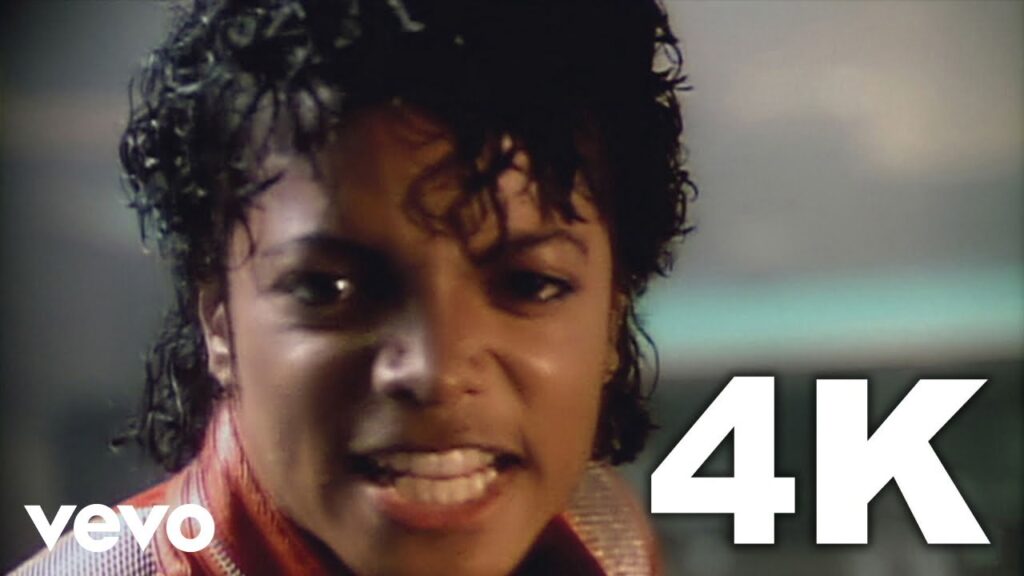
Some songs become massive hits because they perfectly capture the sound of their time. Others go a step further and redefine what popular music can be. “Beat It” by Michael Jackson belongs firmly in the second category. Released in 1983 as the third single from Thriller, the song shattered musical boundaries by blending pop, rock, and R&B into a thrilling package that appealed to virtually everyone.
Armed with a driving guitar riff, an unforgettable chorus, and one of the most famous guitar solos ever recorded, “Beat It” became one of the defining songs of the 1980s. It helped Thriller become the best-selling album in history while proving that genre barriers were meant to be broken.
More than forty years later, “Beat It” remains one of Michael Jackson’s greatest achievements—a song whose message, energy, and musical innovation continue to inspire artists around the world.
Michael Jackson Wanted to Unite Audiences
When recording Thriller, Michael Jackson had an ambitious goal.
He wanted every song on the album to appeal to different audiences while maintaining a unified artistic vision.
With “Beat It,” he specifically wanted to create a genuine rock song that would resonate with listeners who might not normally buy an R&B or pop record.
Instead of imitating rock music, Jackson embraced it.
He wrote a song with aggressive guitars, powerful rhythms, and a universal message while keeping his unmistakable melodic instincts intact.
The gamble paid off brilliantly.
“Beat It” became a crossover sensation unlike anything popular music had seen before.
Eddie Van Halen’s Legendary Guitar Solo
One of the most celebrated moments in rock history arrives halfway through “Beat It.”
Michael Jackson invited Eddie Van Halen, already regarded as one of the world’s greatest guitarists, to perform the song’s solo.
Van Halen reportedly completed the recording quickly, transforming an already strong track into something unforgettable. His blistering solo combined extraordinary technical skill with pure melodic excitement, creating one of the defining guitar performances of the decade.
Remarkably, the collaboration felt completely natural.
The solo doesn’t interrupt the song.
It elevates it.
The partnership between Jackson and Van Halen demonstrated that great music could transcend genre labels.
It remains one of the most iconic guest appearances ever recorded.
Quincy Jones’ Masterful Production
Producer Quincy Jones understood exactly how to balance rock intensity with pop accessibility.
The drums hit hard.
The guitars sound massive.
The synthesizers add texture without overwhelming the arrangement.
Every instrument occupies its own space while contributing to the song’s relentless momentum.
Jones never allowed production techniques to overshadow the songwriting.
Instead, everything supports Jackson’s vocal and the song’s powerful message.
The result remains one of the finest-produced records of the 1980s.
A Vocal Performance Full of Urgency
Michael Jackson approaches “Beat It” differently than many of his dance-oriented hits.
Rather than relying primarily on smooth melodies, he injects the performance with urgency and determination.
His rhythmic phrasing drives the verses forward, while the soaring chorus provides an explosive release of energy.
His trademark vocal exclamations add excitement without becoming distracting.
Every line sounds committed.
Every phrase feels intentional.
Jackson understood exactly how much emotion the song required, delivering one of the strongest rock-influenced performances of his remarkable career.
A Powerful Message Beneath the Energy
Although “Beat It” is remembered for its explosive sound, its central message remains surprisingly thoughtful.
Rather than glorifying violence or confrontation, the song encourages walking away from dangerous situations.
Strength isn’t defined by fighting.
Sometimes true courage means refusing to participate.
That positive message helped distinguish the song from many other hard-edged recordings of the era.
Michael Jackson proved that exciting music could also encourage responsibility and self-control.
The combination of entertainment and meaningful storytelling gave the song even greater lasting impact.
The Music Video Changed MTV
The “Beat It” music video became almost as influential as the song itself.
Featuring rival street gangs resolving their conflict through dance instead of violence, the video combined cinematic storytelling with spectacular choreography.
Its success helped establish Michael Jackson as MTV’s biggest star while expanding opportunities for Black artists on the network during a pivotal period in music television history.
The video’s choreography inspired countless performers and remains instantly recognizable decades later.
It demonstrated that music videos could become cultural events rather than simple promotional clips.
A Worldwide Smash Hit
“Beat It” became one of the biggest singles from Thriller.
The song reached No. 1 on the Billboard Hot 100, won two Grammy Awards, and earned widespread acclaim from both pop and rock audiences.
Its success played a major role in helping Thriller become the best-selling album of all time, with global sales that continue to grow decades after its release.
More importantly, it introduced millions of listeners to the idea that musical genres didn’t have to remain separate.
Artists could borrow from multiple traditions while creating something entirely original.
A Lasting Influence on Popular Music
The influence of “Beat It” extends far beyond Michael Jackson’s own career.
Its seamless fusion of pop, rock, and R&B inspired countless musicians to experiment beyond traditional genre boundaries.
The song has been covered, sampled, and referenced by artists across virtually every style of music, while Eddie Van Halen’s guitar solo continues to rank among the greatest ever recorded.
Today, collaborations between artists from different musical backgrounds are common.
In 1983, they were far less expected.
“Beat It” helped show what was possible.
Final Thoughts
“Beat It” stands as one of the greatest crossover songs in music history because it accomplished something extraordinarily rare. Michael Jackson’s exceptional songwriting, Quincy Jones’ brilliant production, Eddie Van Halen’s unforgettable guitar solo, and a timeless message combined to create a recording that appealed equally to pop fans, rock listeners, and R&B audiences.
Its commercial success helped transform Thriller into a cultural phenomenon, but its artistic significance runs even deeper. The song demonstrated that great music isn’t confined by labels or expectations—it succeeds because it connects with people.
More than forty years after its release, “Beat It” remains every bit as exciting as it was in 1983.
It’s bold.
It’s innovative.
It’s endlessly entertaining.
Most importantly, it proved that when extraordinary artists work together without worrying about genre, they can create music that truly changes history.
This post has already been read 88 times!