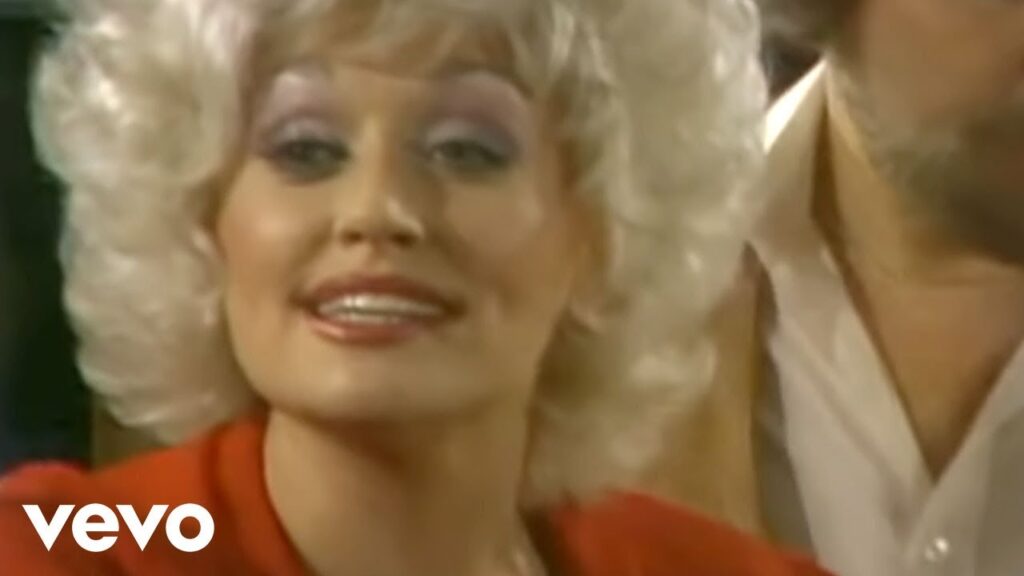
Some songs entertain. Others capture the frustrations and dreams of millions of people. “9 to 5” by Dolly Parton accomplished both, becoming one of the most beloved and relatable songs ever recorded. Released in 1980 as the theme for the hit comedy film 9 to 5, the song quickly became one of Dolly Parton’s biggest crossover successes, topping the charts and turning everyday office workers into the stars of one of pop music’s greatest anthems.
With its unforgettable typewriter-inspired rhythm, infectious melody, witty lyrics, and Parton’s unmistakable voice, “9 to 5” celebrated the resilience of hardworking people while taking a playful but pointed look at the challenges of corporate life. More than four decades later, the song remains as relevant as ever, continuing to resonate with anyone who’s ever punched a clock, answered to a difficult boss, or dreamed of something better.
Few songs have captured the daily realities of working life with so much charm and energy.
A Song Born from Hollywood
“9 to 5” was written specifically for the 1980 comedy film of the same name, which starred Dolly Parton alongside Jane Fonda and Lily Tomlin. Although it was Parton’s first major acting role, she wasn’t content with simply appearing in the movie—she also wanted to write its theme song.
The filmmakers couldn’t have asked for a better choice.
Parton perfectly understood the movie’s balance of humor and social commentary. Rather than writing a straightforward comedy tune, she created a song that celebrated the determination of ordinary workers while acknowledging the frustrations they face every day.
The result became just as iconic as the film itself.
In many ways, the song and the movie became inseparable.
The Famous Typewriter Rhythm
One of the most distinctive elements of “9 to 5” appears before Dolly even begins singing.
The song opens with a rhythmic clicking sound that resembles a typewriter—a clever nod to office work in an era before personal computers became commonplace.
The sound wasn’t created by an actual typewriter.
Instead, Parton reportedly used her own acrylic fingernails, tapping them together to imitate the mechanical rhythm of office equipment. That inventive idea gave the song an instantly recognizable introduction unlike anything else on the radio.
It’s a perfect example of creativity serving the song rather than calling attention to itself.
Dolly Parton’s Remarkable Songwriting
Dolly Parton has long been regarded as one of America’s finest songwriters, and “9 to 5” showcases her extraordinary ability to combine humor, observation, and unforgettable melodies.
The song addresses workplace frustrations with intelligence and wit rather than bitterness.
It acknowledges long hours, limited opportunities, and difficult bosses, but it never loses its sense of optimism.
Instead of dwelling on disappointment, Parton celebrates perseverance and reminds listeners that hard work deserves respect.
Her lyrics feel authentic because they come from genuine empathy for working people.
That’s one reason the song continues to connect with audiences decades later.
A Vocal Performance Full of Personality
Dolly Parton’s voice is instantly recognizable.
Bright.
Warm.
Expressive.
On “9 to 5,” she delivers one of the most energetic performances of her career.
Every line is filled with enthusiasm, confidence, and a playful sense of humor that perfectly matches the song’s message.
She effortlessly balances country warmth with pop accessibility, helping the song reach listeners far beyond traditional country music audiences.
It’s impossible to imagine anyone else delivering the song with the same combination of sincerity and charisma.
Country Meets Pop
By 1980, Dolly Parton was already a country music superstar.
“9 to 5” helped establish her as an international pop sensation.
The song blends country storytelling with pop melodies, rock energy, and polished production, creating a crossover sound that appealed to virtually everyone.
Its upbeat piano, driving rhythm section, and memorable chorus made it equally comfortable on country radio, Top 40 stations, and adult contemporary playlists.
That versatility became one of the keys to its enormous success.
It demonstrated that great songwriting could easily transcend genre boundaries.
A Massive Commercial Success
“9 to 5” became one of the biggest hits of Dolly Parton’s remarkable career.
The single reached No. 1 on both the Billboard Hot 100 and the Billboard Country chart, making Parton one of the few artists to dominate multiple formats simultaneously.
It also earned Academy Award and Grammy nominations while helping establish Dolly as one of the most recognizable entertainers in America.
The song’s success introduced millions of listeners to her music and opened countless new opportunities throughout film, television, and popular culture.
It marked the beginning of an extraordinary new chapter in her already impressive career.
A Song That Never Lost Its Relevance
Although office life has changed dramatically since 1980, the themes of “9 to 5” remain remarkably current.
People still work long hours.
Many still struggle with workplace stress.
Employees still hope for recognition, opportunity, and fair treatment.
Because those experiences remain universal, the song continues to resonate with each new generation entering the workforce.
Whether someone works in an office, a hospital, a classroom, a warehouse, or remotely from home, the desire for meaningful work and respect never goes out of style.
That’s why the song still feels so fresh.
An Enduring Cultural Icon
“9 to 5” has become much more than a hit single.
It has become shorthand for the daily working experience itself.
The title alone instantly evokes images of office life, coffee breaks, deadlines, and the shared challenges faced by millions of workers around the world.
The song continues to appear in films, television shows, advertisements, sporting events, and political campaigns, while remaining a favorite at concerts and sing-alongs.
Its joyful energy makes it entertaining.
Its message gives it lasting significance.
Few songs achieve both.
Final Thoughts
“9 to 5” remains one of Dolly Parton’s greatest achievements because it transforms everyday life into something joyful, empowering, and unforgettable. Through clever songwriting, infectious melodies, creative production, and one of the most charismatic vocal performances of her career, Parton created a song that celebrates the dignity of hard work without ignoring its challenges.
Its chart success helped cement Dolly’s place as a crossover superstar, but its true legacy lies in its ability to connect with ordinary people. More than forty years after its release, it still inspires smiles from office workers, students, retirees, and music fans alike.
Many songs become hits because they’re catchy.
“9 to 5” became a classic because it understood people.
That’s why it remains one of the greatest working-class anthems ever recorded—a timeless reminder that while the workday may sometimes feel long, a great song can make it a little brighter.
This post has already been read 80 times!