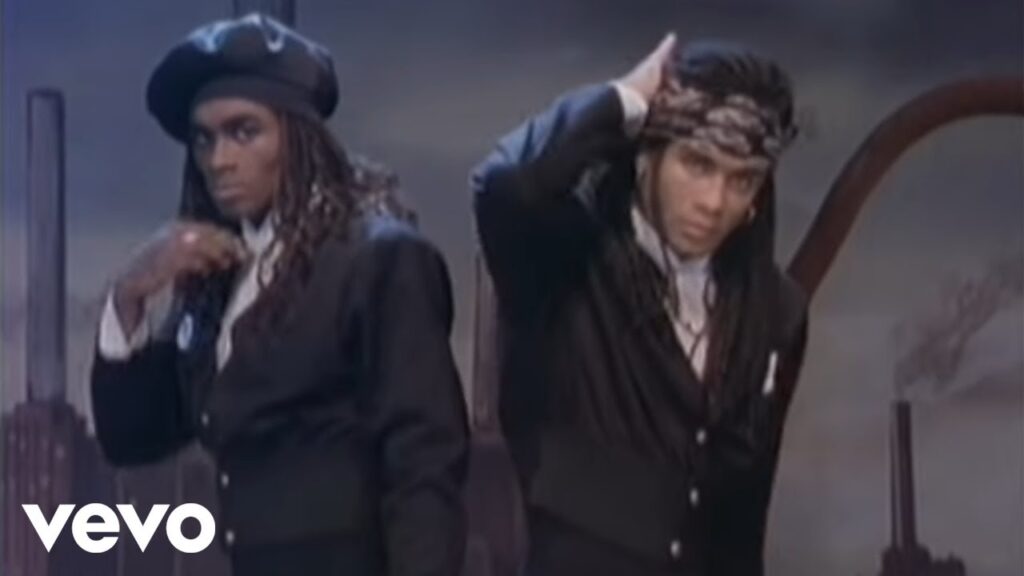
Few pop acts have experienced a rise—and a fall—as dramatic as Milli Vanilli. During the late 1980s, the duo seemed unstoppable, dominating radio, MTV, and record sales with a string of irresistibly catchy dance-pop hits. Before controversy overshadowed their achievements, songs like “Girl You Know It’s True,” “Blame It on the Rain,” and “Baby Don’t Forget My Number” helped define the sound of the era.
Released in 1988 as the second American single from Girl You Know It’s True, “Baby Don’t Forget My Number” climbed to No. 4 on the Billboard Hot 100 and became one of the group’s signature songs. With its infectious chorus, polished production, and dance-floor energy, the track remains a quintessential example of late-1980s Euro-pop. While the story surrounding Milli Vanilli has forever become part of pop culture history, “Baby Don’t Forget My Number” still stands as one of the decade’s most memorable dance hits.
The Story Behind the Song
Milli Vanilli was the creation of German producer Frank Farian, who had previously enjoyed worldwide success with acts such as Boney M. Seeking to create another international pop phenomenon, Farian paired dancers and models Rob Pilatus and Fab Morvan as the public faces of the project while using professional session singers to record the vocals.
“Baby Don’t Forget My Number” was written and produced by Farian and his team as part of an album designed to appeal to dance clubs, Top 40 radio, and MTV. Its blend of hip-hop rhythms, synthesizers, and pop hooks fit perfectly with the musical landscape of the late 1980s.
At the time of its release, few listeners questioned who was actually singing. Pilatus and Morvan were charismatic performers with undeniable screen presence, and their energetic appearances helped propel the song to international success.
Only later would the lip-syncing scandal dominate headlines, fundamentally changing how the public viewed the group’s achievements. Yet when “Baby Don’t Forget My Number” first arrived, it was simply regarded as another expertly crafted pop hit.
The Sound
“Baby Don’t Forget My Number” perfectly captures the bright, polished production style that dominated pop radio in 1988.
The song opens with crisp electronic drums and pulsing synthesizers before introducing an infectious bass line and layered keyboard melodies. Drum machines provide a steady dance groove, while bright synth textures keep the arrangement energetic from beginning to end.
Frank Farian’s production is exceptionally clean. Every beat, vocal harmony, and instrumental flourish is carefully placed, resulting in a recording built for both radio and dance clubs.
The chorus explodes with memorable hooks, while subtle rap-style spoken sections add contemporary flair without disrupting the song’s melodic flow.
Although rooted firmly in the late 1980s, the production remains enjoyable because of its emphasis on strong pop craftsmanship rather than excessive gimmicks.
Performance and Musicianship
While Rob Pilatus and Fab Morvan became the public faces of Milli Vanilli, the actual vocals on the recording were performed by accomplished studio singers, including Brad Howell, Charles Shaw, John Davis, and others whose contributions remained largely unknown until years later.
The lead vocal is smooth, soulful, and remarkably expressive, providing far more depth than many dance-pop recordings of the era. The layered harmonies are equally impressive, giving the chorus tremendous lift and helping make it instantly memorable.
The musicians and programmers behind the recording also deserve recognition. The rhythm programming is tight and energetic, while the synthesizer arrangements create an upbeat atmosphere that perfectly complements the song’s romantic theme.
Regardless of the controversy that followed, there is no denying the professionalism and musical skill that went into the recording itself.
Why It Worked
Several factors helped “Baby Don’t Forget My Number” become one of the biggest pop hits of 1988.
First, the chorus is incredibly catchy. Within a single listen, audiences could easily remember and sing along with the hook.
Second, the production reflected exactly what listeners wanted from dance-pop at the time. The combination of electronic rhythms, polished vocals, and accessible melodies made the song a natural fit for Top 40 radio and MTV.
The group’s visual appeal also played a major role. Rob Pilatus and Fab Morvan were dynamic performers whose stylish image helped distinguish Milli Vanilli from many competing acts.
The music video received heavy MTV rotation, further expanding the song’s audience during one of the most influential periods in the network’s history.
Ultimately, listeners responded because the record simply sounded great, regardless of the circumstances behind its creation.
The Legacy
Today, “Baby Don’t Forget My Number” exists in a unique place in pop history.
The lip-syncing scandal that erupted in 1990 permanently altered Milli Vanilli’s legacy, leading to the unprecedented revocation of the Grammy Award they had won for Best New Artist. The controversy also sparked important conversations about authenticity in popular music and the role of producers, session musicians, and image within the recording industry.
Yet the song itself has endured.
It continues to appear on ’80s playlists, retro dance compilations, and classic pop radio stations. Many listeners are able to separate the quality of the music from the scandal that surrounded it, recognizing that talented singers, musicians, songwriters, and producers created an undeniably effective pop record.
For better or worse, “Baby Don’t Forget My Number” remains one of the defining singles of the late 1980s and an essential chapter in the history of modern pop music.
Final Thoughts
“Baby Don’t Forget My Number” is a fascinating recording because it represents both the brilliance and the complexity of manufactured pop. Built on exceptional songwriting, polished production, and outstanding studio performances, it became one of the biggest hits of its era while later becoming inseparable from one of music’s most infamous scandals.
Looking beyond the controversy, the song remains an expertly crafted dance-pop classic. Its irresistible melody, energetic rhythm, and memorable chorus continue to make it a favorite for fans of 1980s music.
More than thirty-five years after climbing the charts, “Baby Don’t Forget My Number” still fills dance floors and nostalgic playlists around the world. It serves as both a reminder of the extraordinary power of great pop songwriting and a cautionary tale about authenticity in the music business. Whatever history’s final judgment of Milli Vanilli may be, the song itself remains one of the most recognizable and enjoyable hits of its generation.
This post has already been read 55 times!