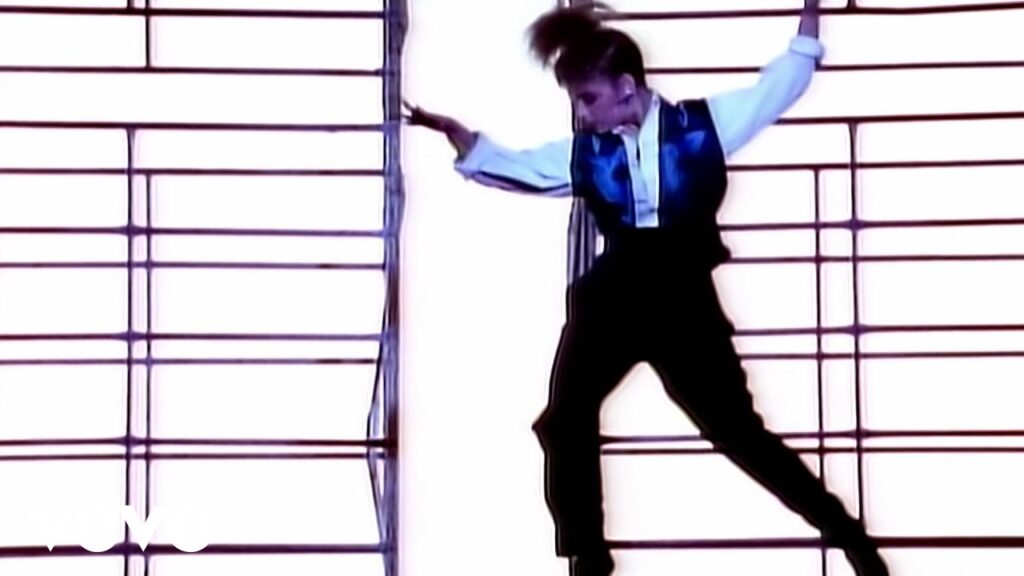
Released in February 1989, “Forever Your Girl” became the song that completed one of the most remarkable chart turnarounds in pop music history. Although Paula Abdul’s debut album had been released nearly a year earlier, it wasn’t an instant blockbuster. Instead, Forever Your Girl slowly built momentum through a string of successful singles, eventually becoming one of the biggest albums of the late 1980s. The title track became Abdul’s second No. 1 hit on the Billboard Hot 100 and helped cement her status as one of the defining pop stars of the era.
Before becoming a recording artist, Paula Abdul had already established herself as one of the entertainment industry’s most sought-after choreographers. After beginning her career as a Los Angeles Lakers cheerleader, she quickly rose to become the team’s head choreographer. Her innovative dance routines attracted the attention of artists including Janet Jackson, whose groundbreaking videos for Control showcased Abdul’s talent on a global stage. Soon she was choreographing for many of the biggest names in music, but few expected her to become a chart-topping singer herself.
Her debut album, Forever Your Girl, initially struggled after its release in 1988. Rather than disappearing, however, it steadily gained traction as singles like “Knocked Out,” “The Way That You Love Me,” and “Straight Up” climbed the charts. By the time the title track was released as the album’s fourth single, Paula Abdul had become one of pop’s hottest new artists.
Written by Oliver Leiber, “Forever Your Girl” perfectly captured the upbeat, romantic sound that dominated Top 40 radio at the end of the decade. Unlike many dance-pop songs built primarily around club rhythms, this recording balances infectious grooves with a warm, melodic chorus that gives it lasting appeal.
From its opening moments, the production establishes an inviting atmosphere. Bright synthesizers, crisp drum programming, funky bass lines, and subtle guitar accents combine to create a polished sound that feels unmistakably late-1980s while avoiding unnecessary excess. Every element is carefully layered, allowing the arrangement to sound full without becoming cluttered.
Paula Abdul’s vocal performance is charming and sincere. Although she never possessed the powerhouse voice of artists like Whitney Houston or Mariah Carey, Abdul understood her strengths. She sang with warmth, enthusiasm, and personality, qualities that made her performances feel approachable and genuine. On “Forever Your Girl,” her voice perfectly complements the lighthearted optimism of the song.
Lyrically, the song is refreshingly straightforward. It tells the story of unwavering commitment and devotion, promising loyalty and lasting love. Rather than relying on dramatic heartbreak or emotional conflict, it celebrates stability and trust. That positive message helped make it a favorite for couples and remains one of the reasons it continues to resonate decades later.
Producer Elliot Wolff deserves significant credit for crafting the song’s polished sound. Throughout Forever Your Girl, Wolff balanced dance rhythms with radio-friendly pop melodies, creating a formula that proved enormously successful. On the title track, every instrument serves the melody, ensuring the chorus remains the song’s undeniable centerpiece.
One of the recording’s greatest strengths is its balance between danceability and accessibility. While the beat encourages movement, the emphasis remains firmly on melody. That combination allowed the song to perform equally well on pop radio, dance clubs, and adult contemporary stations.
Commercially, “Forever Your Girl” became another major milestone in Abdul’s extraordinary breakthrough. It reached No. 1 on the Billboard Hot 100 in May 1989, becoming her second chart-topping single after “Straight Up.” More importantly, its success helped propel the album to No. 1 as well, completing an incredible climb from a slow-selling debut to one of the best-selling records of the decade.
The song also played a role in one of pop music’s most impressive chart achievements. Forever Your Girl eventually produced four No. 1 singles—”Straight Up,” “Forever Your Girl,” “Cold Hearted,” and “Opposites Attract.” At the time, only a handful of albums had ever accomplished that feat, placing Abdul alongside some of the biggest artists in popular music.
The accompanying music video reflected Paula Abdul’s greatest strength as an entertainer: movement. While not as choreography-heavy as some of her other videos, it still showcased her effortless charisma and polished performance style. During MTV’s peak years, Abdul became one of the network’s biggest stars, with her videos receiving constant rotation thanks to their stylish presentation and memorable dance sequences.
Looking back, “Forever Your Girl” also represents the sound of late-1980s pop at its most refined. The production incorporates synthesizers and drum machines that were fashionable at the time, yet the songwriting is strong enough that the record never feels trapped in its era. The melody remains instantly memorable, and the chorus still has the ability to brighten a room after just a few notes.
The song also highlights Paula Abdul’s unique position in pop music. She wasn’t simply a singer who danced well or a choreographer who happened to make records. She successfully merged visual performance with accessible pop songwriting, helping shape the increasingly multimedia nature of modern pop stardom.
Today, “Forever Your Girl” remains one of Abdul’s signature songs and a staple of 1980s radio playlists. It continues to appear on compilations celebrating the decade and is regularly featured in movies, television shows, and nostalgic playlists. Fans still respond enthusiastically whenever Abdul performs it live, proving that its appeal has endured well beyond its chart-topping days.
More than thirty-five years after its release, “Forever Your Girl” stands as one of the defining dance-pop singles of the late 1980s. Its catchy melody, polished production, heartfelt lyrics, and Paula Abdul’s engaging performance combine to create a song that remains both timeless and unmistakably of its era. It is a reminder that sometimes the most enduring pop songs are the ones built on simple emotions, memorable hooks, and genuine charm.
This post has already been read 84 times!