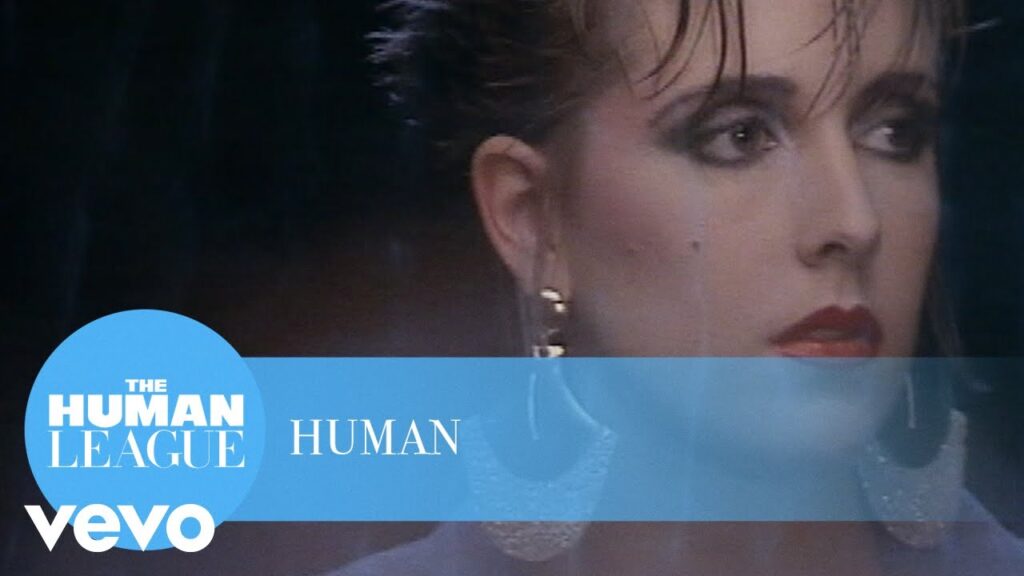
The Sophisticated Ballad That Reinvented The Human League
Released in August 1986 as the lead single from Crash, “Human” marked a dramatic shift in direction for The Human League. Known for pioneering synth-pop classics like “Don’t You Want Me,” “Mirror Man,” and “(Keep Feeling) Fascination,” the British trio surprised fans by embracing a smoother, more soulful sound. The gamble paid off spectacularly, as “Human” climbed to No. 1 on the Billboard Hot 100, giving the group their second American chart-topper and introducing them to a new generation of listeners.
Built around an elegant melody, heartfelt lyrics, and immaculate production from Jimmy Jam and Terry Lewis, “Human” became one of the defining adult pop ballads of the mid-1980s. Rather than relying on futuristic synthesizer hooks, the song explored vulnerability, forgiveness, and the complexities of adult relationships.
Nearly forty years later, it remains one of The Human League’s most enduring recordings.
A Fresh Start
Following the enormous success of Dare in 1981, The Human League found it increasingly difficult to match those commercial heights. While they continued producing quality music, changing musical trends meant the band needed a fresh approach.
That opportunity came through an unexpected partnership.
Producers Jimmy Jam and Terry Lewis had become two of the most successful hitmakers in American music, crafting polished R&B and pop records for artists including Janet Jackson, The S.O.S. Band, and Cherrelle.
Instead of simply updating The Human League’s synth-pop formula, they encouraged the group to embrace a warmer, more soulful sound.
The result was Crash, with “Human” serving as its emotional centerpiece.
Songwriting
Written by Jimmy Jam and Terry Lewis, “Human” tells the story of two people admitting their mistakes and asking one another for forgiveness.
Rather than placing blame, both partners acknowledge that they’re imperfect.
The repeated phrase “I’m only human” becomes both an explanation and a plea for understanding.
It’s a refreshingly mature perspective.
Instead of portraying love as perfect, the song recognizes that lasting relationships often require honesty, compassion, and the willingness to move forward after disappointment.
The lyrics avoid melodrama.
Their emotional honesty makes the song feel authentic decades after its release.
Philip Oakey’s Performance
Philip Oakey delivers one of the strongest vocal performances of his career.
Known primarily for his cool, detached style on earlier synth-pop hits, Oakey reveals surprising warmth and vulnerability throughout “Human.”
His restrained approach perfectly suits the material.
Rather than overwhelming the melody with dramatic flourishes, he lets the emotion build naturally.
His voice communicates regret, sincerity, and hope in equal measure.
It’s a reminder that subtle performances can often be the most powerful.
Production
Jimmy Jam and Terry Lewis crafted one of the smoothest productions of the decade.
The arrangement features:
- Lush synthesizer pads
- Electronic piano
- Warm bass lines
- Crisp drum programming
- Layered vocal harmonies
- Tasteful keyboard textures
Every element serves the song.
The production avoids unnecessary complexity, allowing the melody and vocals to remain the emotional focus.
Although unmistakably a product of the 1980s, the recording’s clean, sophisticated sound has aged remarkably well.
Chart Success
“Human” became one of the biggest hits of The Human League’s career.
The song reached:
- No. 1 on the Billboard Hot 100
- Top 10 in Canada
- Top 10 on the Adult Contemporary chart
- Strong international chart success
Its success revived the band’s commercial fortunes and introduced their music to listeners who may not have been familiar with their earlier synth-pop classics.
The single also became one of Jimmy Jam and Terry Lewis’ many production triumphs during the decade.
Why It Still Connects
A Mature Love Song
The lyrics explore forgiveness and emotional vulnerability with unusual honesty.
That maturity separates the song from many romantic ballads.
Outstanding Production
Jimmy Jam and Terry Lewis create an elegant musical backdrop that perfectly complements the emotional message.
Philip Oakey’s Vocal
Oakey’s understated delivery gives the song remarkable sincerity.
His performance remains one of the finest of his career.
Timeless Melody
The chorus is instantly memorable without relying on oversized production or gimmicks.
Its simplicity has allowed it to endure.
Cultural Impact
“Human” demonstrated that The Human League were capable of much more than synth-pop dance hits.
The song broadened their audience while proving they could successfully adapt to changing musical trends without losing their identity.
It also reinforced the reputation of Jimmy Jam and Terry Lewis as two of the most versatile producers in popular music.
Their ability to blend British synth-pop with American R&B influences created one of the decade’s most distinctive crossover hits.
Legacy
Although “Don’t You Want Me” remains The Human League’s signature song, “Human” stands comfortably alongside it as one of the band’s greatest achievements.
It represents a different side of the group—more reflective, emotionally complex, and musically refined.
The song also remains one of the finest examples of sophisticated adult pop from the mid-1980s, bridging synth-pop and contemporary R&B in a way that few artists managed as successfully.
Its emotional honesty continues to resonate with listeners across generations.
Final Thoughts
“Human” is a beautiful reminder that pop music doesn’t need elaborate production or dramatic theatrics to make a lasting emotional impact.
The Human League, Jimmy Jam, and Terry Lewis combined thoughtful songwriting, graceful production, and a wonderfully restrained vocal performance to create one of the decade’s most memorable ballads.
Its message of forgiveness and acceptance remains every bit as meaningful today as it was in 1986.
Few songs capture the complexities of love with such elegance and sincerity.
This post has already been read 76 times!