When Barbra Streisand released “Woman in Love” in 1980, she was already one of the most accomplished entertainers in the world. She had conquered Broadway, Hollywood, television, and the recording industry, earning acclaim for her remarkable vocal talent and versatility. Yet even with an extraordinary career behind her, the song became one of her biggest international hits and introduced her to a new generation of pop listeners. Written by Barry Gibb and Robin Gibb of the Bee Gees, “Woman in Love” combined soaring melodies, heartfelt emotion, and impeccable production to create one of the defining adult contemporary ballads of the decade.
More than forty years later, the song remains one of Streisand’s signature recordings. Its timeless melody, elegant arrangement, and emotionally rich vocal performance continue to make it a favorite on radio, streaming playlists, and concert stages around the world.
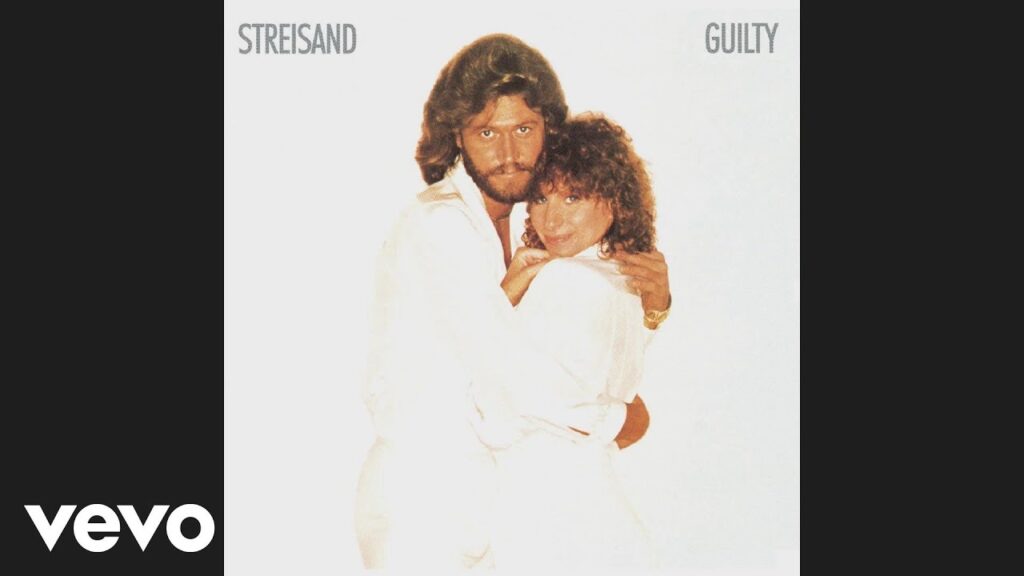
The origins of “Woman in Love” can be traced to Streisand’s 1980 album Guilty, a collaboration with Barry Gibb at the height of the Bee Gees’ creative powers. Following the enormous success of the Saturday Night Fever soundtrack and a string of chart-topping singles, Barry Gibb had become one of the most sought-after songwriters and producers in popular music. Rather than simply writing a few songs for Streisand, he became deeply involved in shaping the entire album.
The partnership proved to be inspired. Barry Gibb understood how to preserve Streisand’s sophisticated vocal style while surrounding it with contemporary pop production. The result was an album that appealed equally to longtime fans and younger audiences embracing the polished sound of the early 1980s.
“Woman in Love” was selected as the album’s lead single, and it immediately demonstrated the chemistry between Streisand’s commanding voice and the Gibb brothers’ songwriting.
From the opening notes, the song establishes an atmosphere of elegance and emotional sincerity. Gentle piano, lush keyboards, and soft percussion create a graceful foundation before Streisand enters with a vocal performance filled with warmth and confidence. As the arrangement develops, layered harmonies, sweeping strings, and tasteful guitar accents gradually expand the emotional landscape without overwhelming the melody.
Barry Gibb’s production is remarkably restrained. Although the recording reflects the polished sound of its era, it avoids the excessive studio techniques that dated many early-1980s productions. Every instrument serves the song rather than competing for attention, allowing Streisand’s voice to remain the unmistakable focal point.
Barbra Streisand delivers one of the finest vocal performances of her recording career. Her remarkable control allows her to move effortlessly between delicate, intimate passages and soaring climactic phrases. Rather than relying on sheer power, she builds emotional intensity gradually, making every high note feel earned rather than merely impressive.
What makes the performance especially memorable is its sincerity. Streisand conveys vulnerability without sounding fragile, strength without becoming overpowering, and passion without slipping into melodrama. It is a masterclass in vocal interpretation, demonstrating why she remains one of the most respected singers in popular music history.
Barry Gibb’s influence is also evident in the vocal arrangement. His unmistakable harmony vocals subtly support Streisand throughout parts of the recording, adding warmth while never distracting from her lead performance. The combination of their voices creates a richness that enhances the song’s emotional impact.
Lyrically, “Woman in Love” explores the willingness to embrace love completely despite uncertainty and vulnerability. The narrator acknowledges that deep emotional commitment often requires courage and sacrifice, presenting love not as weakness but as a source of strength. The lyrics avoid unnecessary complexity, instead relying on direct, heartfelt expressions that allow listeners to connect with the universal emotions at the song’s core.
That universal quality explains much of the song’s enduring popularity. Whether heard as a declaration of devotion, a reflection on commitment, or simply a beautifully written love song, its message resonates across generations and cultures.
Released in September 1980, “Woman in Love” quickly became a worldwide phenomenon. It reached No. 1 on the Billboard Hot 100, giving Streisand one of the biggest singles of her career. Internationally, the song performed even more impressively, topping the charts in countries including the United Kingdom, Canada, Australia, Ireland, Belgium, the Netherlands, Norway, Sweden, and numerous others.
Its extraordinary global success helped make Guilty one of Streisand’s best-selling albums. The record would go on to sell millions of copies worldwide, with “Woman in Love” serving as its defining centerpiece. The collaboration also reinforced Barry Gibb’s reputation as one of the era’s premier songwriter-producers, capable of adapting his style to complement artists across multiple genres.
The song earned widespread critical acclaim for both its songwriting and Streisand’s vocal performance. Reviewers praised its elegant production, memorable melody, and emotional authenticity, while audiences embraced it as one of the great romantic ballads of its time.
Over the decades, “Woman in Love” has remained a staple of adult contemporary radio and one of the most recognizable recordings in Streisand’s extensive catalog. It frequently appears on greatest-hits collections and continues to attract new listeners through streaming services, films, and television appearances.
Many singers have covered the song, yet few have matched the combination of technical excellence and emotional nuance found in Streisand’s original recording. Its demanding vocal range and subtle phrasing make it a challenging piece even for accomplished performers, further highlighting the artistry behind her performance.
The recording also stands as an excellent example of how classic songwriting can transcend changing musical trends. While countless early-1980s hits now sound firmly rooted in their era, “Woman in Love” continues to feel remarkably fresh because its strength lies in its melody, emotional honesty, and timeless production rather than fashionable studio effects.
For Barbra Streisand, the song represented another milestone in an already legendary career. It demonstrated her ability to evolve with contemporary popular music while remaining true to the vocal style that had made her an icon. Rather than chasing trends, she embraced a collaboration that highlighted her strengths and resulted in one of the finest recordings of her career.
Today, “Woman in Love” remains one of the defining love songs of the modern pop era. Its graceful melody, heartfelt lyrics, impeccable production, and unforgettable vocal performance have ensured its lasting appeal for more than four decades. It serves as a reminder that great songs are built on genuine emotion, exceptional craftsmanship, and performances that speak directly to the heart. In combining all of those elements, Barbra Streisand and the Gibb brothers created a timeless classic that continues to inspire listeners around the world.
This post has already been read 89 times!