The Ultimate Blue-Collar Party Anthem of the 1980s
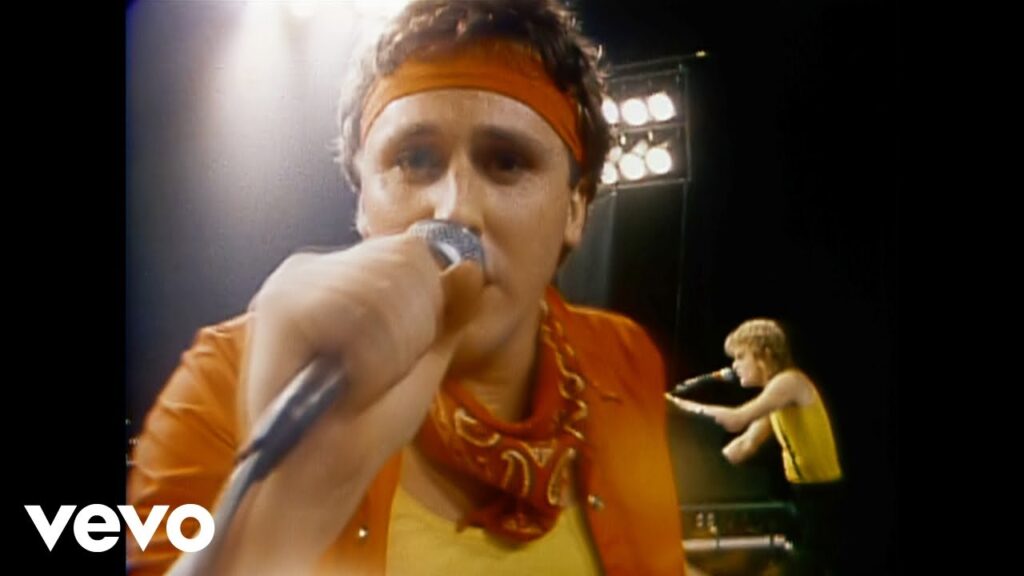
Released in September 1981 as the lead single from Get Lucky, “Working for the Weekend” became the song that defined Loverboy and one of the greatest rock anthems of the decade. Combining explosive guitar riffs, pounding keyboards, and an unforgettable chorus, the song captured a feeling that millions of people understood—the excitement of making it through another workweek and finally enjoying a well-earned weekend.
Although it peaked at a modest No. 29 on the Billboard Hot 100, the song’s chart position hardly reflects its cultural impact. Thanks to constant MTV airplay, FM rock radio, sports arenas, movies, and television, “Working for the Weekend” grew into one of the most recognizable songs of the 1980s and remains the band’s signature hit.
More than forty years later, it continues to ignite crowds the moment those opening synthesizer notes begin.
A Canadian Band Ready for the Big Time
Formed in Calgary, Alberta, Loverboy quickly became one of Canada’s most successful rock bands. Led by charismatic frontman Mike Reno and guitarist Paul Dean, the group blended hard rock, pop hooks, and keyboard-driven melodies into a sound that appealed to both rock audiences and Top 40 radio.
Their self-titled debut album established them as rising stars, but Get Lucky launched them into international success.
“Working for the Weekend” became the album’s defining track and perfectly captured the band’s energetic personality.
It also helped establish Loverboy as one of the premier arena rock acts of the early 1980s.
Songwriting
Written by Mike Reno, Paul Dean, and drummer Matt Frenette, “Working for the Weekend” celebrates something almost everyone can relate to.
After a long week of responsibilities, people want to relax, have fun, and enjoy life.
Rather than focusing on rebellion or escape, the song celebrates anticipation.
That universal theme explains much of its lasting popularity.
Nearly everyone has experienced counting down the days until Friday.
The lyrics are straightforward and optimistic, allowing the powerful chorus to deliver maximum impact.
Sometimes the simplest ideas produce the biggest anthems.
Mike Reno’s Performance
Mike Reno delivers one of the defining rock vocal performances of the era.
His powerful voice combines grit, enthusiasm, and remarkable melodic control.
From the very first verse, Reno sounds completely committed to the song’s celebration of everyday working life.
His soaring delivery during the chorus remains one of the most recognizable vocals in classic rock.
He balances arena-sized power with genuine warmth, making the performance feel inviting rather than intimidating.
The Band’s Musicianship
One reason “Working for the Weekend” has remained so popular is the exceptional chemistry among the band members.
Paul Dean’s crunchy guitar riffs provide the song’s rock foundation, while Doug Johnson’s bright synthesizers create one of the most recognizable keyboard introductions of the decade.
Scott Smith’s bass and Matt Frenette’s energetic drumming lock together perfectly, giving the recording relentless momentum.
Every member contributes equally.
Production
Produced by Bruce Fairbairn, the recording perfectly captures the sound of early-1980s arena rock.
The arrangement features:
- Iconic synthesizer intro
- Crunching electric guitars
- Driving bass
- Powerful live drums
- Layered backing vocals
- Huge arena-ready chorus
Fairbairn’s production balances rock aggression with pop accessibility.
The recording sounds massive without becoming cluttered, allowing every instrument to remain clear in the mix.
It remains one of the finest examples of early-’80s rock production.
Chart Success
Although “Working for the Weekend” only reached No. 29 on the Billboard Hot 100, its influence extended far beyond the charts.
The song became:
- A major Album Rock radio favorite
- A staple of MTV during the channel’s early years
- A concert highlight for Loverboy
- One of the band’s most recognizable international hits
Over time, it became far more famous than many songs that achieved higher chart positions.
Its enduring popularity has made it one of the defining rock songs of the decade.
Why It Still Rocks
A Universal Theme
Almost everyone understands the joy of finishing the workweek.
That relatable message keeps the song timeless.
An Unforgettable Intro
Those opening keyboard notes immediately signal what’s coming.
Few introductions are as recognizable.
Outstanding Energy
The performance never loses momentum.
Every chorus feels just as exciting as the first.
Arena Rock Perfection
The combination of guitars, keyboards, and huge vocals creates exactly the kind of anthem designed for live audiences.
Cultural Impact
“Working for the Weekend” has become deeply embedded in popular culture.
It has appeared in countless films, television shows, commercials, sporting events, and video games while remaining a staple at parties and classic rock stations.
The song has also become shorthand for the excitement people feel as Friday approaches.
Its title alone instantly communicates the anticipation of leaving work behind and enjoying free time.
Very few songs have become such a universal expression.
Legacy
Among Loverboy’s many successful singles, including “Turn Me Loose,” “Hot Girls in Love,” and “Lovin’ Every Minute of It,” “Working for the Weekend” stands as their defining achievement.
It captures everything that made the band successful: memorable songwriting, outstanding musicianship, polished production, and enormous hooks.
It also remains one of Bruce Fairbairn’s finest production efforts and one of Mike Reno’s greatest vocal performances.
The song continues to bring audiences together decades after its release.
Final Thoughts
“Working for the Weekend” is the perfect rock anthem for anyone who’s ever watched the clock on a Friday afternoon.
Loverboy combined relatable lyrics, explosive musicianship, and unforgettable melodies into a recording that has become part of everyday life for millions of listeners.
Its energy has never faded.
Whether blasting through stadium speakers, filling a neighborhood barbecue, or kicking off a weekend road trip, the song still delivers exactly what it promised in 1981.
This post has already been read 42 times!