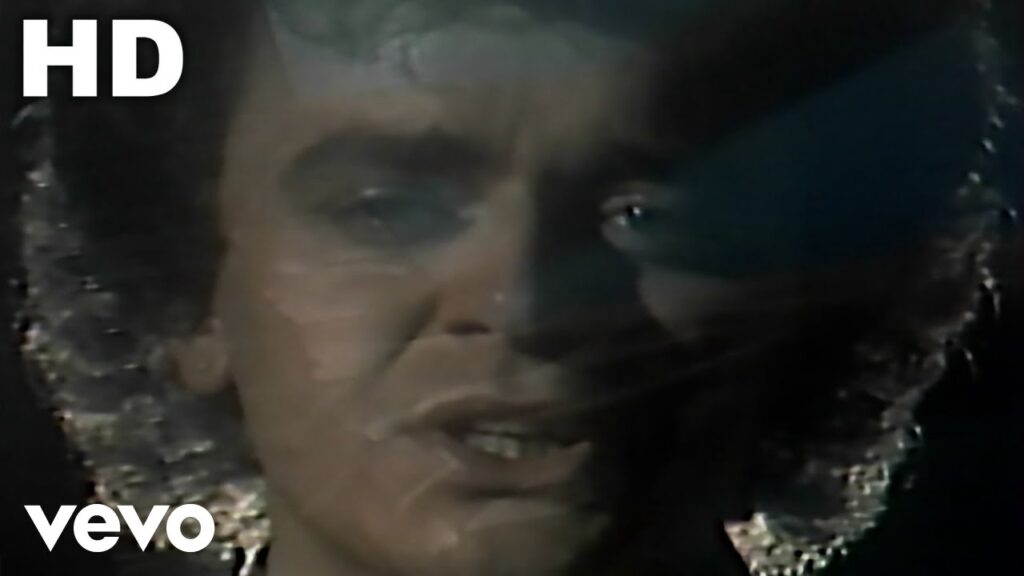
Released in June 1980 as the second single from Lost in Love, “All Out of Love” became one of Air Supply’s signature songs and one of the defining soft rock ballads of the decade. Featuring Russell Hitchcock’s soaring lead vocals and Graham Russell’s heartfelt songwriting, the song climbed to No. 2 on the Billboard Hot 100, cementing the Australian duo’s status as international stars. At a time when rock, disco, and new wave were competing for attention, Air Supply carved out their own niche with emotional ballads that emphasized melody, harmony, and timeless romantic themes.
More than four decades later, “All Out of Love” remains one of the duo’s most beloved recordings. Its unforgettable chorus, elegant arrangement, and sincere emotional delivery continue to resonate with listeners around the world.
Air Supply’s Breakthrough
Air Supply was formed in Melbourne, Australia, in 1975 when English-born songwriter and guitarist Graham Russell met vocalist Russell Hitchcock during a production of the musical Jesus Christ Superstar.
The chemistry between Russell’s songwriting and Hitchcock’s remarkable voice quickly became apparent. After building a following in Australia, the duo caught the attention of legendary producer Clive Davis, who recognized their potential for international success.
Their album Lost in Love became the breakthrough that transformed Air Supply into global stars, with “All Out of Love” playing a major role in that success.
A Song About Regret
Despite its title, “All Out of Love” is often misunderstood.
Many listeners assume it describes someone who has stopped loving another person. In reality, the phrase refers to someone who feels emotionally lost after a relationship has fallen apart. The narrator isn’t celebrating the end of love—he’s expressing regret, loneliness, and a desperate hope for reconciliation.
That emotional nuance gives the song greater depth than many breakup ballads. Rather than assigning blame, it focuses on the pain of realizing what has been lost.
Its message remains relatable because nearly everyone has experienced similar feelings at some point in life.
Russell Hitchcock’s Extraordinary Vocal
Few singers were better suited for romantic ballads than Russell Hitchcock.
His voice combines remarkable range with effortless control, allowing him to move from gentle verses to soaring choruses without ever sounding strained. On “All Out of Love,” every note feels emotionally invested, making the performance one of the defining vocal achievements of the soft rock era.
Hitchcock avoids unnecessary vocal embellishments, instead relying on clarity and sincerity to communicate the song’s emotional weight.
His performance remains one of the finest examples of expressive pop singing from the early 1980s.
Graham Russell’s Songwriting
Graham Russell wrote “All Out of Love” while drawing upon universal emotions rather than specific personal experiences.
His lyrics are simple, direct, and remarkably effective. Rather than relying on elaborate metaphors, he focuses on honest expressions of heartbreak and longing.
The melody mirrors that emotional progression perfectly, beginning quietly before building into one of the most memorable choruses of the decade.
The combination of accessible lyrics and sophisticated melodic construction helped make the song an enduring classic.
Sophisticated Production
Produced by Robie Porter, “All Out of Love” features an elegant arrangement that showcases Air Supply’s strengths.
Piano serves as the emotional foundation, gradually joined by strings, guitars, keyboards, bass, and restrained percussion. The production steadily builds throughout the song, creating increasing emotional intensity without becoming overpowering.
Every instrument supports Hitchcock’s vocal rather than competing with it.
The result is a recording that still sounds warm, balanced, and beautifully crafted decades after its release.
A Worldwide Success
“All Out of Love” became one of Air Supply’s biggest international hits.
The single reached No. 2 on the Billboard Hot 100 in the United States during the summer of 1980 and topped the Adult Contemporary chart. It also charted successfully in Canada, Australia, New Zealand, and numerous other countries.
The success helped establish Lost in Love as one of the year’s biggest albums and launched a remarkable run of chart hits that would continue throughout the first half of the decade.
Air Supply soon became one of adult contemporary radio’s most dependable hitmakers.
Standing Apart in a Changing Musical Landscape
The early 1980s saw the rise of new wave, post-punk, and electronic pop.
Rather than chasing those trends, Air Supply remained committed to timeless romantic ballads built around strong melodies and exceptional vocals. That consistency helped distinguish them from many of their contemporaries.
While critics sometimes dismissed the duo as overly sentimental, audiences consistently embraced their music.
The commercial success of “All Out of Love” proved there was still enormous demand for beautifully crafted love songs.
Lasting Popularity
Few soft rock songs have maintained the popularity of “All Out of Love.”
It continues to receive regular airplay on classic hits and adult contemporary stations while appearing in films, television shows, and nostalgic playlists celebrating the music of the 1980s.
Its universal themes of heartbreak and reconciliation ensure that each new generation can connect with its emotional message.
The song has also been covered by numerous artists, further demonstrating the enduring strength of Graham Russell’s songwriting.
Legacy
“All Out of Love” stands as one of Air Supply’s greatest achievements and one of the defining romantic ballads of the early 1980s. It showcased everything that made the duo successful: Graham Russell’s elegant songwriting, Russell Hitchcock’s extraordinary vocal ability, and production that emphasized melody over excess.
For Air Supply, the song marked the beginning of an extraordinary run of international hits that included classics like “Lost in Love,” “The One That You Love,” “Here I Am,” and “Making Love Out of Nothing at All.” While they would record many memorable songs throughout their career, “All Out of Love” remains one of the recordings most closely associated with their name.
More than forty years after its release, the song continues to comfort, inspire, and move audiences around the world. Its emotional honesty, timeless melody, and unforgettable vocal performance have secured its place among the greatest soft rock classics ever recorded, proving that sincere songwriting and exceptional musicianship never go out of style.
This post has already been read 80 times!