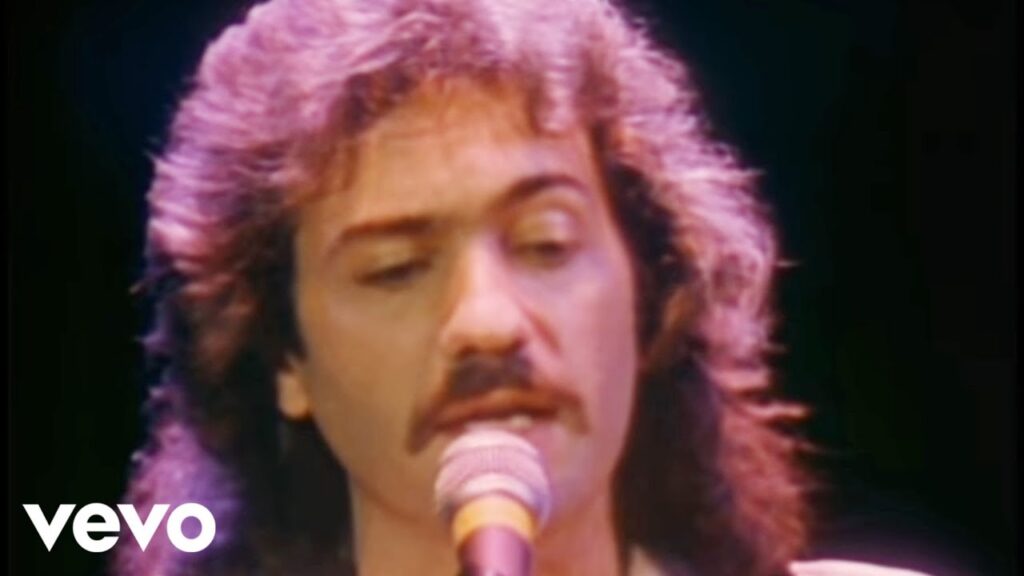
When Styx released “Babe” in 1979, few could have predicted it would become the band’s biggest commercial success. Known primarily for ambitious progressive rock, arena-ready anthems, and theatrical live performances, Styx had built a loyal following with songs like “Renegade,” “Blue Collar Man (Long Nights),” and “Come Sail Away.” Yet “Babe” revealed a softer, more intimate side of the band, proving they could write a heartfelt love song that resonated with millions of listeners.
The single became Styx’s only No. 1 hit on the Billboard Hot 100, helping propel the album Cornerstone to multi-platinum status. While some longtime fans initially questioned the band’s move toward a more radio-friendly sound, the song’s emotional honesty and memorable melody have ensured its place as one of the defining power ballads of the late 1970s. More than four decades later, “Babe” remains one of Styx’s most recognizable recordings and a centerpiece of classic rock radio.
The Story Behind the Song
Unlike many of Styx’s elaborate compositions, “Babe” began as something deeply personal.
Keyboardist and vocalist Dennis DeYoung wrote the song as a birthday gift for his wife, Suzanne. He never intended it to become a Styx recording. The original idea was simply to create a heartfelt musical present expressing his appreciation and love.
When DeYoung played the song for the rest of the band, however, everyone immediately recognized its commercial potential. Despite initial hesitation about recording such a straightforward ballad, Styx decided to include it on Cornerstone.
That decision proved to be a turning point. Released as the album’s lead single, “Babe” quickly climbed the charts and introduced Styx to an even broader audience than ever before.
Ironically, while the song became the band’s biggest hit, its enormous success also highlighted growing creative differences within Styx. Some members preferred to continue emphasizing the band’s harder rock and progressive roots, while DeYoung increasingly embraced melodic pop songwriting. Those artistic tensions would continue to shape the band’s future throughout the 1980s.
The Sound
“Babe” is built on elegance and restraint.
The recording opens with Dennis DeYoung’s warm electric piano before gradually adding synthesizers, bass, drums, and subtle guitar textures. Rather than relying on dramatic instrumental flourishes, the arrangement develops patiently, allowing the emotional impact to grow naturally.
Producer Styx carefully balances orchestral keyboards with the band’s rock foundation. James “JY” Young and Tommy Shaw provide understated guitar work that supports the melody without overpowering it, while Chuck Panozzo’s bass and John Panozzo’s tasteful drumming maintain a gentle but steady rhythm.
The production reflects the polished arena-rock sound emerging at the end of the 1970s while avoiding excessive studio effects. Every instrument serves the song’s emotional direction, resulting in a recording that has aged remarkably well.
The chorus expands beautifully without becoming overly dramatic, demonstrating the band’s impressive sense of dynamics and arrangement.
Performance and Musicianship
Dennis DeYoung delivers one of the most sincere vocal performances of his career.
His voice conveys vulnerability and warmth rather than theatrical grandeur, perfectly matching the song’s deeply personal origins. Every phrase feels genuine, making it easy for listeners to connect emotionally with the performance.
The rest of Styx demonstrates remarkable restraint throughout the recording. Tommy Shaw and James Young resist the temptation to dominate with flashy guitar solos, instead contributing tasteful melodic accents that enrich the arrangement.
John Panozzo’s drumming deserves particular praise. His subtle approach provides steady momentum while allowing the song to breathe naturally. Chuck Panozzo’s melodic bass playing quietly anchors the recording, adding depth without drawing attention away from the vocal.
Together, the musicians create a beautifully balanced performance that showcases the band’s versatility as much as its technical skill.
Why It Worked
Several factors helped “Babe” become Styx’s biggest hit.
First, the melody is exceptionally strong. The chorus is instantly memorable while maintaining an emotional sincerity that never feels forced.
Second, the song’s universal message resonated with listeners. Rather than focusing on dramatic romance, it celebrates appreciation, commitment, and enduring love in a way that felt authentic and relatable.
Timing also played an important role. By the end of the 1970s, audiences had embraced melodic rock ballads alongside harder arena rock, allowing “Babe” to appeal to both pop and rock listeners.
The single also benefited from Styx’s growing popularity. Following the success of Pieces of Eight, the band had already established itself as a major concert attraction, giving “Babe” an ideal platform to reach an enormous audience.
Its crossover appeal ultimately introduced Styx to listeners who may never have explored the band’s more progressive material.
The Legacy
Although “Babe” remains Styx’s only No. 1 single, its legacy extends far beyond chart statistics.
The song helped transform Cornerstone into one of the band’s biggest-selling albums while proving that Styx could compete with the biggest pop acts of the era without abandoning their musical identity entirely.
Over the years, “Babe” has become a staple of classic rock and adult contemporary radio. It frequently appears on compilations celebrating the greatest love songs and power ballads of the 1970s and 1980s.
Its success also played a role in shaping the band’s future. The commercial triumph of DeYoung’s ballads encouraged a continued emphasis on melodic material, eventually leading to both additional successes and creative disagreements within the group.
Despite those internal tensions, “Babe” remains one of the defining moments in Styx’s remarkable career and a favorite among generations of fans.
Final Thoughts
“Babe” is much more than Styx’s biggest commercial hit. It is a beautifully written and sincerely performed love song that demonstrates the band’s remarkable musical versatility.
Dennis DeYoung transformed a deeply personal birthday gift into a timeless recording that continues to touch listeners decades after its release. His heartfelt vocal performance, supported by tasteful musicianship and elegant production, creates an emotional experience that feels just as genuine today as it did in 1979.
While Styx will always be remembered for their ambitious progressive rock and arena anthems, “Babe” occupies a special place in their catalog because of its honesty and simplicity. It reminds listeners that even the biggest rock bands sometimes create their most enduring work not through complexity or spectacle, but through genuine emotion.
More than forty-five years after reaching No. 1, “Babe” remains one of the finest power ballads of its era and a lasting testament to the songwriting talents of Dennis DeYoung and the extraordinary musicianship of Styx.
This post has already been read 77 times!