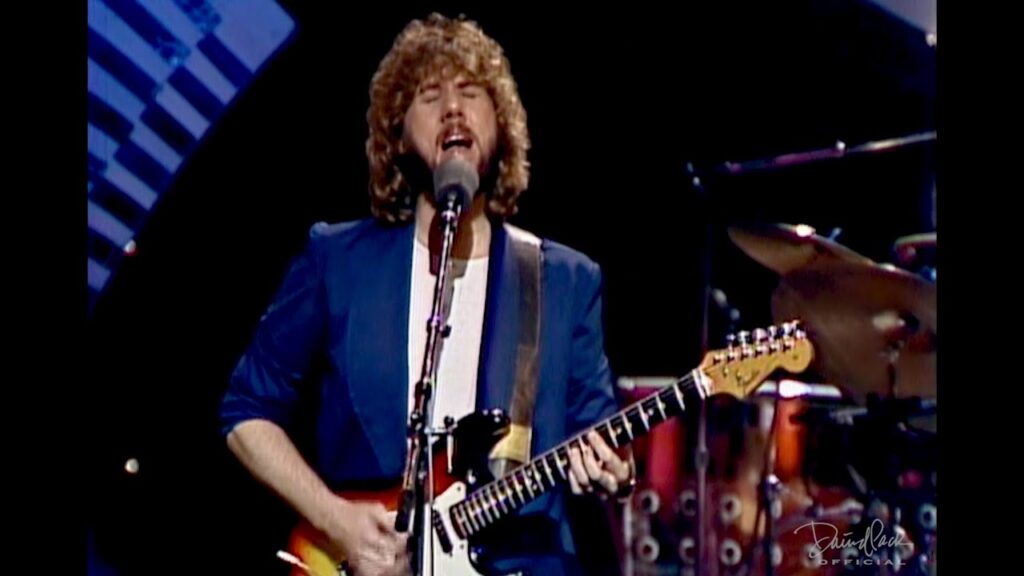
By 1980, Ambrosia had already earned a reputation as one of the most accomplished bands to emerge from Southern California’s thriving rock scene. Their early albums showcased a sophisticated blend of progressive rock, jazz, and pop that appealed to musicians and audiophiles alike. As the decade turned, however, the band refined its sound into something more accessible without sacrificing the musical excellence that had defined its career. The result was “Biggest Part of Me,” a polished soft rock masterpiece that became the group’s biggest hit.
Released as the lead single from the album One Eighty, the song climbed to No. 3 on the Billboard Hot 100 and became a staple of adult contemporary radio. With its rich harmonies, immaculate production, and heartfelt lyrics, “Biggest Part of Me” remains one of the defining love songs of the early 1980s. More than forty years later, it continues to be celebrated as one of the finest examples of sophisticated West Coast pop.
The Story Behind the Song
Ambrosia was formed in Los Angeles during the early 1970s by David Pack, Joe Puerta, Burleigh Drummond, and Christopher North. Initially, the band built its reputation through ambitious albums that blended progressive rock with intricate vocal harmonies and jazz-inspired arrangements.
As musical tastes shifted toward more melodic and radio-friendly material, Ambrosia adapted naturally. Rather than abandoning their musicianship, they focused on writing concise songs built around memorable melodies and emotionally honest lyrics.
“Biggest Part of Me” was written by guitarist and lead vocalist David Pack. Inspired by themes of love, devotion, and emotional connection, Pack crafted a ballad that balanced lyrical sincerity with musical sophistication.
Released in 1980, the song became Ambrosia’s first Top 10 hit and introduced the band to a much broader audience than their earlier progressive recordings had reached.
The Sound
From its opening moments, “Biggest Part of Me” establishes an atmosphere of warmth and elegance.
Gentle electric piano, tasteful guitar work, melodic bass, and crisp drumming create a relaxed groove that perfectly supports the song’s emotional message. Rather than relying on dramatic orchestration, the arrangement emphasizes subtle textures and impeccable vocal harmonies.
Producer Freddie Piro keeps the mix exceptionally clean, allowing every instrument to occupy its own space. The result is a recording that feels full without ever becoming cluttered.
One of the song’s greatest strengths is its pacing. The verses remain intimate before expanding naturally into a soaring chorus that showcases Ambrosia’s extraordinary vocal blend.
The polished production reflects the transition from the lush sounds of the late 1970s into the sophisticated adult contemporary style that would dominate the early 1980s. Despite its era-specific character, the recording has aged remarkably well because its foundation rests on exceptional songwriting and musicianship.
Performance and Musicianship
David Pack delivers one of the finest vocal performances of his career.
His voice combines warmth, clarity, and emotional sincerity, making every lyric feel genuine. Rather than relying on dramatic vocal techniques, Pack communicates through subtle phrasing and impeccable control.
The supporting harmonies are among the song’s defining features. Ambrosia had long been known for their exceptional vocal arrangements, and “Biggest Part of Me” may represent the band’s finest achievement in that area. The layered harmonies create richness without ever sounding excessive, adding emotional weight to every chorus.
Instrumentally, the band is equally impressive. Joe Puerta’s melodic bass playing anchors the arrangement, while Burleigh Drummond’s restrained drumming provides steady momentum. Christopher North’s keyboards add warmth and atmosphere, complementing Pack’s tasteful guitar work perfectly.
The musicians never compete for attention. Instead, every performance serves the song, demonstrating the remarkable chemistry the band had developed over years of playing together.
Why It Worked
Several factors helped “Biggest Part of Me” become Ambrosia’s signature hit.
First, the melody is unforgettable. The chorus arrives naturally and remains one of the most memorable hooks in soft rock history.
Second, the song’s message is timeless. Its celebration of love and emotional commitment resonates across generations, allowing listeners to connect with it regardless of age or experience.
The production also broadened the band’s appeal. While earlier Ambrosia albums often emphasized technical complexity, “Biggest Part of Me” balanced sophistication with accessibility, making it equally attractive to pop and adult contemporary audiences.
The timing proved ideal as well. In 1980, radio welcomed polished melodic rock from artists like Christopher Cross, Air Supply, Boz Scaggs, and Kenny Loggins. Ambrosia fit comfortably within that landscape while retaining a distinctive musical identity rooted in exceptional vocal harmonies.
The Legacy
“Biggest Part of Me” remains the song most closely associated with Ambrosia, and its popularity has endured remarkably well.
It continues to receive regular airplay on classic hits, yacht rock, and adult contemporary stations while appearing on countless compilations celebrating the finest music of the late 1970s and early 1980s.
The song has also become a favorite among musicians for its sophisticated harmony arrangements and polished production. Vocal groups frequently point to it as an outstanding example of ensemble singing done at the highest level.
For Ambrosia, the success of “Biggest Part of Me” opened the door to additional hits such as “You’re the Only Woman (You & I)” and “How Much I Feel,” cementing the band’s reputation as one of the premier soft rock acts of their generation.
Today, it serves as an ideal introduction to a band whose catalog deserves far more recognition than it often receives.
Final Thoughts
“Biggest Part of Me” is one of the crown jewels of the soft rock era. It combines elegant songwriting, immaculate production, outstanding musicianship, and some of the finest vocal harmonies ever recorded into a song that remains just as moving today as it was in 1980.
David Pack’s heartfelt performance gives the recording its emotional center, while the rest of Ambrosia demonstrates remarkable musical discipline and craftsmanship. Every instrument, every harmony, and every production choice contributes to a song that feels effortless despite its sophistication.
More than four decades after reaching the Top 10, “Biggest Part of Me” continues to stand as Ambrosia’s greatest achievement and one of the defining love songs of its era. Its timeless melody and genuine emotion ensure that it remains an essential chapter in the story of classic American pop and soft rock.
This post has already been read 66 times!