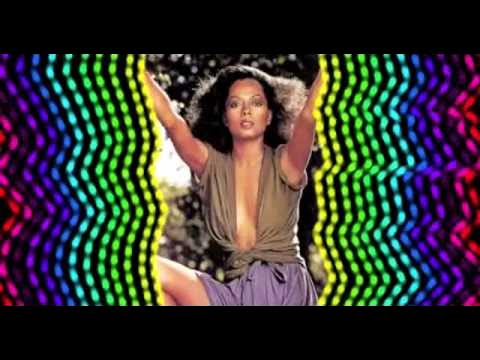
Few songs radiate confidence and celebration quite like “I’m Coming Out.” Released in 1980 as the second single from Diana Ross’ self-titled album Diana, the song became one of the defining dance records of its era and one of the most recognizable recordings of Ross’ legendary career. Built around an irresistible bass line, sparkling funk rhythms, and Ross’ charismatic vocal performance, it remains a timeless invitation to embrace individuality and live authentically.
Originally conceived as a song about introducing yourself to the world with confidence, “I’m Coming Out” quickly took on a broader cultural significance. Over the years, it has become an enduring anthem of self-expression, empowerment, and pride, embraced by countless listeners for its uplifting spirit and universal message.
More than four decades after its release, it continues to fill dance floors, sporting events, celebrations, and playlists around the world.
The Chic Connection
“I’m Coming Out” was written and produced by Nile Rodgers and Bernard Edwards, the creative force behind Chic.
By 1980, Rodgers and Edwards had become two of the most innovative figures in popular music, blending funk, disco, R&B, and pop into an unmistakable sound.
Their collaboration with Diana Ross represented a fresh creative direction.
The result was an album that showcased Ross with a more contemporary, groove-oriented style while preserving the elegance and charisma that had made her an international superstar.
The chemistry proved remarkable from the very beginning.
Inspired by an Unexpected Moment
The inspiration for “I’m Coming Out” reportedly struck Nile Rodgers after noticing several Diana Ross look-alikes gathered in a New York nightclub.
The experience led him to think about Ross metaphorically “coming out” to introduce herself in a bold new way following years of success with Motown and her established solo career.
Although the original concept centered on artistic reinvention, audiences quickly connected the song to broader themes of identity, confidence, and personal freedom.
That openness allowed listeners to make the song their own.
Its meaning grew naturally over time.
Diana Ross at Her Most Joyful
Diana Ross delivers one of the most exuberant performances of her career.
Her voice is bright, playful, and filled with infectious optimism.
Rather than relying on vocal power alone, she communicates through personality, warmth, and effortless charm.
Every line feels welcoming.
Every chorus invites participation.
Ross has always possessed a unique ability to make listeners feel personally included in her performances.
“I’m Coming Out” may be the finest example of that gift.
Nile Rodgers’ Legendary Groove
One of the song’s defining features is its irresistible rhythm.
Nile Rodgers’ crisp rhythm guitar, Bernard Edwards’ fluid bass playing, and the tight funk arrangement create an unstoppable groove that remains impossible to resist.
Every instrument locks together with remarkable precision.
The horns provide bursts of excitement.
The percussion keeps everything moving.
The bass line anchors the entire performance.
It’s one of the greatest dance grooves ever recorded.
A New Chapter for Diana Ross
Released in 1980, Diana marked an important turning point in Ross’ career.
While she had already achieved extraordinary success both with The Supremes and as a solo artist, the album introduced her to a younger generation embracing funk and dance music.
“I’m Coming Out” became one of its signature songs, reaching the Top Five on the Billboard Hot 100 and becoming a major international hit.
It reaffirmed Ross’ remarkable ability to evolve without losing her identity.
Few artists navigate changing musical landscapes so successfully.
A Song That Became an Anthem
Over the decades, “I’m Coming Out” has taken on a life far beyond its original release.
Its message of confidence and authenticity has made it a beloved anthem for celebrations of individuality, personal milestones, graduations, sporting events, and LGBTQ+ Pride celebrations around the world.
The song’s enduring popularity comes from its openness.
It never limits who can identify with it.
Instead, it welcomes everyone to celebrate becoming their authentic selves.
That universal appeal has only strengthened its legacy.
A Lasting Cultural Impact
“I’m Coming Out” continues to appear in films, television shows, commercials, and major public events.
Artists across pop, R&B, hip-hop, and dance music have sampled, covered, and referenced the recording.
Its instantly recognizable introduction remains one of the most celebrated openings in popular music.
Few songs can generate excitement within just a few notes.
This one does it effortlessly.
Why It Still Inspires
Part of the song’s timeless appeal comes from its overwhelming sense of positivity.
It doesn’t focus on obstacles.
It celebrates possibilities.
Its optimism feels genuine rather than forced.
Combined with Rodgers and Edwards’ flawless musicianship and Diana Ross’ radiant performance, it creates a recording that remains uplifting no matter how many times it’s heard.
That’s a rare accomplishment.
Final Thoughts
“I’m Coming Out” stands among Diana Ross’ greatest recordings because it perfectly combines exceptional songwriting, irresistible funk grooves, polished production, and one of the most joyful vocal performances of her career. Nile Rodgers and Bernard Edwards created a musical foundation that remains as vibrant today as it was in 1980, while Ross transformed the song into an enduring celebration of confidence and individuality.
Its commercial success helped launch a new chapter in Ross’ remarkable career, but its lasting legacy comes from something even greater. It has become a universal symbol of self-expression, reminding listeners that embracing who they are is always worth celebrating.
Many dance songs make people move.
“I’m Coming Out” makes people smile, celebrate, and stand a little taller.
That enduring spirit has made it one of the most beloved and empowering classics in pop music history.
This post has already been read 81 times!