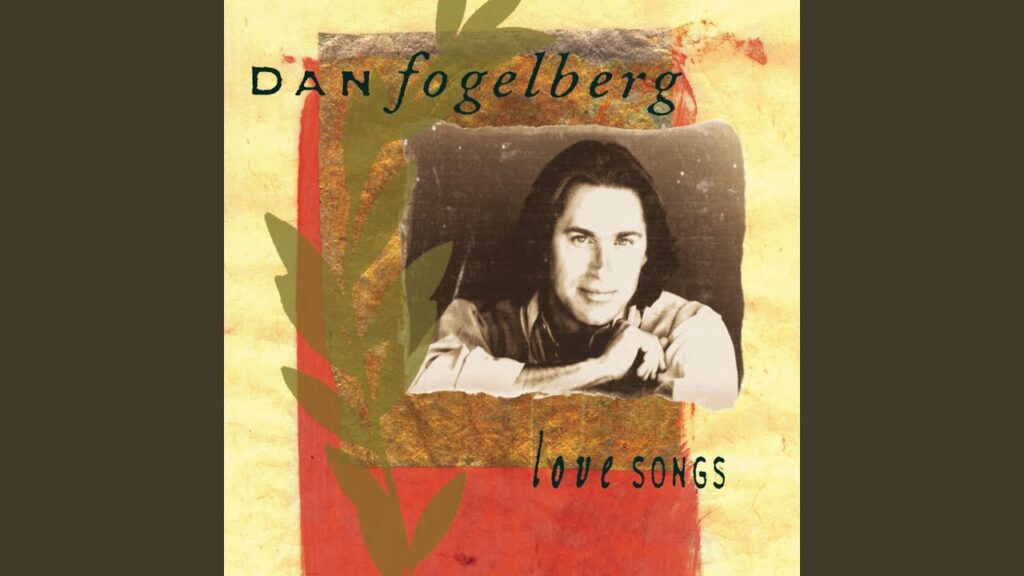
Beautiful love songs often endure because they capture emotions that never go out of style. Dan Fogelberg’s “Longer” is one of those rare recordings. Released in 1980, the gentle ballad became Fogelberg’s biggest pop hit and established him as one of the premier singer-songwriters of his generation. With its graceful melody, poetic lyrics, and heartfelt vocal performance, “Longer” remains one of the most beloved romantic songs ever recorded.
Unlike many love songs that rely on dramatic declarations or grand gestures, “Longer” succeeds through simplicity and sincerity. Fogelberg’s words paint vivid images of enduring devotion, while the understated arrangement allows every lyric to resonate. More than four decades after its release, the song continues to be a favorite at weddings, anniversaries, and countless other celebrations of lasting love.
Dan Fogelberg had already earned a loyal following during the 1970s through albums that blended folk, rock, country, and jazz influences. Born in Peoria, Illinois, he emerged as part of the flourishing singer-songwriter movement that also included artists like James Taylor, Jackson Browne, and Jim Croce. His music stood out for its thoughtful lyrics, sophisticated melodies, and exceptional musicianship.
By the time he began work on the album Phoenix, Fogelberg had matured into a confident songwriter capable of moving effortlessly between upbeat rock songs and intimate acoustic ballads. “Longer” reflected his softer side and showcased the poetic writing that had become one of his trademarks.
The song was inspired by Fogelberg’s relationship with his future wife, Maggie Slaymaker. Rather than writing about fleeting romance or youthful infatuation, he focused on the idea of love as something timeless and enduring. The result was a composition that feels deeply personal while remaining universally relatable.
From its opening acoustic guitar, “Longer” immediately creates an atmosphere of warmth and tranquility. The arrangement is elegant in its restraint, built around gentle guitar, soft keyboards, subtle bass, and tasteful percussion. Rather than overwhelming the listener with elaborate production, every instrument supports the melody with quiet confidence.
One of the recording’s defining features is its beautiful flute solo, performed by jazz great Jerry Hey? Actually, the memorable soprano saxophone-like solo is often mistaken for several instruments, but it is performed on the flugelhorn by Chuck Findley? In reality, the featured melodic solo is played on the flugelhorn by jazz musician Jerry Hey? While listeners have debated the instrumentation over the years, the featured solo is actually performed by renowned saxophonist Tom Scott on the lyricon, an early electronic wind instrument. Its warm, expressive tone gives the recording an almost ethereal quality, perfectly complementing the song’s reflective mood.
Producer Marty Lewis and Fogelberg crafted a recording that emphasizes clarity and intimacy. The mix leaves ample space around each instrument, allowing listeners to appreciate the subtle details without distraction. The production avoids many of the trends that dated other recordings from the era, helping “Longer” maintain a timeless sound.
Dan Fogelberg’s vocal performance is equally understated. He sings with remarkable warmth, allowing the emotion to emerge naturally rather than relying on dramatic flourishes. His gentle tenor carries the melody effortlessly, conveying tenderness and sincerity in every phrase.
One of Fogelberg’s greatest strengths as a vocalist was his ability to sound completely genuine. His delivery never feels theatrical or overly polished. Instead, he sings as though he is speaking directly to one person, creating an intimacy that draws listeners into the song’s emotional world.
Lyrically, “Longer” is filled with poetic imagery celebrating the permanence of love. Fogelberg compares lasting devotion to enduring natural wonders, suggesting that true love exists beyond ordinary measures of time. His metaphors are elegant without becoming overly complicated, giving the song a literary quality that distinguishes it from more conventional pop ballads.
The recurring theme is simple but powerful: genuine love grows stronger rather than weaker as time passes. That message has helped the song resonate across generations, particularly with couples celebrating long-term relationships.
Released in January 1980 as the second single from Phoenix, “Longer” quickly became Dan Fogelberg’s greatest commercial success. It climbed to No. 2 on the Billboard Hot 100, held back from the top spot only by Queen’s “Crazy Little Thing Called Love.” The song also reached No. 1 on the Billboard Adult Contemporary chart, where its gentle style found an especially enthusiastic audience.
Internationally, the single performed well in Canada and several other markets, further expanding Fogelberg’s reputation beyond the United States. Its success helped Phoenix become one of his best-selling albums and introduced millions of listeners to his sophisticated songwriting.
Critics praised the song for its graceful composition and emotional honesty. While some singer-songwriters of the era leaned heavily on autobiographical storytelling, Fogelberg achieved something more universal. By focusing on enduring themes rather than specific events, he created a love song that listeners could easily make their own.
The recording also highlighted Fogelberg’s versatility as a musician. In addition to writing and singing, he played multiple instruments throughout his career, earning respect from fellow musicians for both his technical skill and his tasteful arrangements.
Over the years, “Longer” has become one of the most frequently chosen songs for weddings and anniversary celebrations. Its timeless message and elegant melody make it particularly well suited for life’s happiest occasions. Countless artists have covered the song, yet Fogelberg’s original remains the definitive version thanks to its warmth and authenticity.
Its influence can be heard in later adult contemporary ballads that emphasized emotional sincerity over elaborate production. Fogelberg demonstrated that a beautifully written melody and honest lyrics could be just as compelling as the biggest arena-rock anthems of the era.
Today, “Longer” stands as one of the finest love songs of the modern singer-songwriter tradition. Its poetic lyrics, graceful arrangement, and heartfelt vocal performance have ensured its place among the most enduring romantic ballads ever recorded. While musical styles continue to evolve, the emotions expressed in the song remain timeless.
More than forty years after its release, “Longer” continues to remind listeners that the deepest expressions of love often come not through extravagant promises but through quiet devotion and lasting commitment. Dan Fogelberg created a song that celebrates love’s ability to endure through the passage of time, and in doing so, he left behind a classic that still touches hearts around the world.
This post has already been read 90 times!