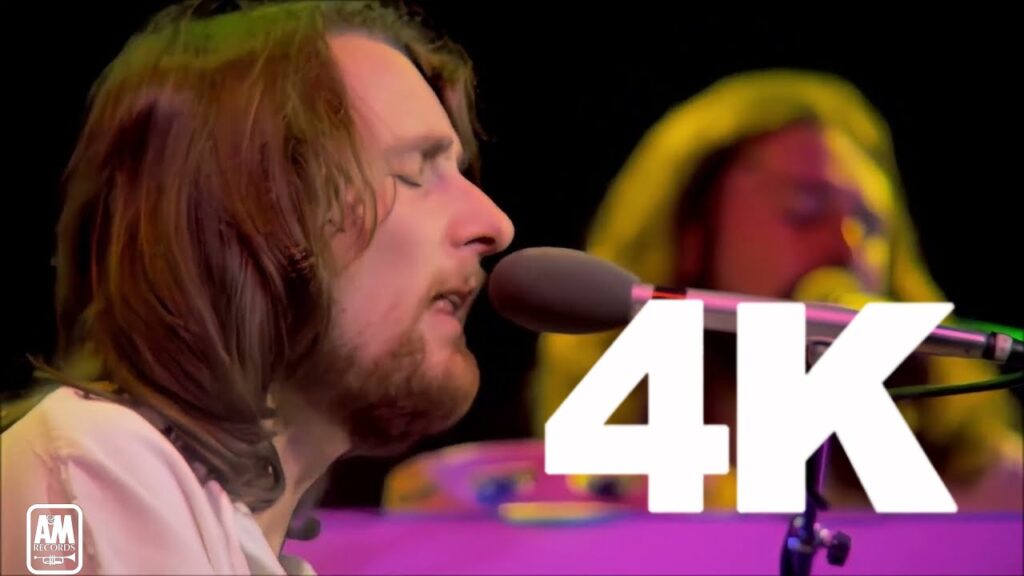
Released in 1979, “Take the Long Way Home” is one of Supertramp’s most enduring songs and a perfect example of the band’s ability to blend thoughtful lyrics with irresistible pop melodies. While the group had already achieved international recognition with albums like Crime of the Century and Even in the Quietest Moments…, it was Breakfast in America that transformed them into worldwide superstars. Packed with hit singles, the album became one of the defining records of its era, and “Take the Long Way Home” remains one of its emotional highlights.
The song reached the Top 10 on the Billboard Hot 100 in early 1980, extending the remarkable run of success enjoyed by Breakfast in America. With its unforgettable harmonica intro, polished production, and introspective message, it continues to resonate with listeners more than four decades later. It is a song that rewards repeated listening, revealing new emotional layers as life experience changes the way its story is understood.
The Story Behind the Song
Supertramp was founded in London in 1969 by Rick Davies and Roger Hodgson, whose contrasting songwriting styles became one of the band’s greatest strengths. Davies often leaned toward blues and jazz influences, while Hodgson favored melodic, introspective compositions filled with emotional depth.
“Take the Long Way Home” was written by Roger Hodgson, who has explained that the song is less about physical travel than about self-reflection. It explores the realization that outward success doesn’t necessarily bring personal fulfillment. The “long way home” becomes a metaphor for delaying the moment when someone must confront the reality of their own life.
Appearing on Breakfast in America, the song helped complete one of the most commercially successful albums of the late 1970s. The record produced a remarkable string of hit singles, including “The Logical Song,” “Goodbye Stranger,” and “Breakfast in America,” cementing Supertramp’s place among rock’s elite.
Although surrounded by so many classics, “Take the Long Way Home” carved out its own identity thanks to its emotional honesty and sophisticated arrangement.
The Sound
The opening harmonica immediately sets the song apart. Simple yet instantly recognizable, it establishes a reflective mood before the rest of the band gradually enters.
Supertramp’s trademark combination of piano, electric keyboards, tasteful guitar work, and melodic bass creates a rich, layered sound that feels polished without becoming overproduced. The arrangement constantly evolves, introducing subtle instrumental touches that keep the song engaging from beginning to end.
John Helliwell’s saxophone and woodwind textures add warmth, while Bob Siebenberg’s steady drumming anchors the song with understated precision. Dougie Thomson’s melodic bass lines provide movement beneath the arrangement without overwhelming the mix.
Perhaps the greatest strength of the production is its balance. Every instrument has room to breathe, allowing listeners to appreciate the band’s remarkable musicianship while never losing sight of the song itself.
Even decades later, the recording sounds remarkably fresh because it emphasizes craftsmanship rather than fashionable studio effects.
Performance and Musicianship
Roger Hodgson delivers one of the finest vocal performances of his career. His distinctive high tenor perfectly matches the song’s reflective mood, conveying both vulnerability and quiet determination.
Unlike many rock singers who rely on sheer volume, Hodgson allows subtle emotional shifts to carry the performance. His voice gradually builds in intensity without ever sacrificing its conversational intimacy.
The rest of Supertramp performs with exceptional precision. Rick Davies’ keyboard work complements Hodgson beautifully, while John Helliwell contributes tasteful instrumental flourishes that enrich the arrangement.
One of the band’s greatest strengths was its ability to play complex music that never felt overly technical. Every musician serves the composition first, creating a performance that sounds effortless despite its sophistication.
The vocal harmonies deserve special mention as well, adding depth and richness during the chorus while reinforcing the song’s emotional impact.
Why It Worked
Several factors helped “Take the Long Way Home” become one of Supertramp’s signature songs.
First, its melody is immediately memorable. From the harmonica introduction to the soaring chorus, nearly every section contains a hook that stays with the listener.
Second, the lyrics invite multiple interpretations. Younger listeners often hear it as a song about relationships or daily routines, while older audiences frequently recognize its deeper reflections on identity, success, and personal fulfillment.
Timing also contributed to its success. Released during the height of Breakfast in America’s popularity, the song benefited from enormous radio exposure while standing comfortably alongside some of the strongest material of the band’s career.
The production further broadened its appeal. It combined progressive rock musicianship with concise pop songwriting, making it accessible to mainstream audiences without sacrificing musical complexity.
The Legacy
“Take the Long Way Home” has become one of Supertramp’s defining recordings and remains a staple of classic rock radio around the world.
Its thoughtful lyrics have helped it endure far beyond many other hits from the late 1970s. As listeners grow older, many find themselves relating to the song in ways they never anticipated when they first heard it.
The track also showcases the extraordinary creative partnership between Roger Hodgson and the rest of Supertramp during the band’s commercial peak. Although Hodgson would eventually leave the group, songs like this remain lasting reminders of the remarkable chemistry that made Supertramp one of rock’s most distinctive bands.
The success of Breakfast in America introduced millions of listeners to Supertramp’s unique sound, and “Take the Long Way Home” continues to serve as one of the best entry points into their catalog.
Final Thoughts
“Take the Long Way Home” is far more than another classic rock hit. It is a beautifully crafted meditation on the choices people make, the lives they build, and the quiet moments of self-reflection that often arrive unexpectedly.
Roger Hodgson’s heartfelt songwriting, combined with Supertramp’s impeccable musicianship and polished production, resulted in a recording that feels just as meaningful today as it did upon its release. The unforgettable harmonica, elegant arrangement, and emotionally resonant performance create an experience that rewards every revisit.
More than forty years after it first climbed the charts, “Take the Long Way Home” continues to connect with audiences because its message is timeless. It reminds listeners that success isn’t measured solely by appearances and that sometimes the longest journey isn’t the drive home—it’s the one that leads to understanding ourselves. Among Supertramp’s many classics, it remains one of their finest achievements and one of the most enduring songs of its generation.
This post has already been read 60 times!