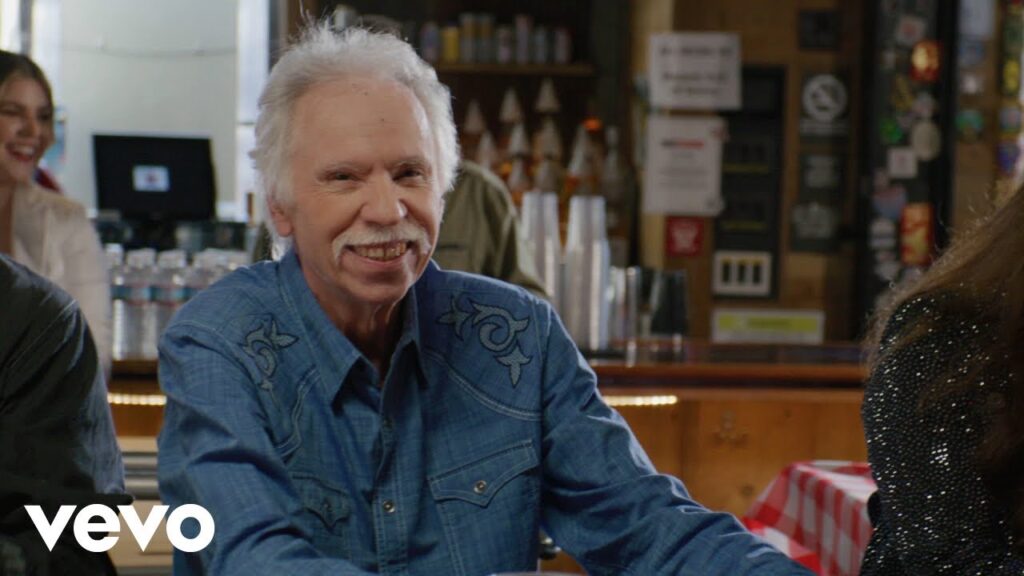
Released in March 1981 as the lead single from the album Fancy Free, “Elvira” became the signature song of The Oak Ridge Boys and one of the biggest crossover country hits of the decade. With its instantly recognizable “oom papa mow mow” bass vocal, infectious chorus, and playful storytelling, the song reached No. 1 on the Billboard Hot Country Singles chart and climbed to No. 5 on the Billboard Hot 100. Blending country, pop, gospel harmonies, and a touch of rockabilly fun, “Elvira” introduced millions of listeners to the group’s unmistakable sound.
More than four decades later, “Elvira” remains one of country music’s most beloved singalong classics, delighting audiences of all ages with its humor, charm, and unforgettable vocal performances.
A New Era for The Oak Ridge Boys
Although many listeners first discovered The Oak Ridge Boys through “Elvira,” the group had already spent decades building an impressive career.
Originally formed as a gospel quartet in the 1940s, the group earned widespread respect for its rich harmonies before successfully transitioning into country music during the 1970s. By the beginning of the 1980s, Duane Allen, Joe Bonsall, William Lee Golden, and Richard Sterban had developed a distinctive blend of country, gospel, and pop that appealed to a broad audience.
Fancy Free became the breakthrough album that elevated them to superstar status.
At the center of that success was “Elvira.”
A Song with Earlier Roots
“Elvira” wasn’t originally written for The Oak Ridge Boys.
The song was written by Dallas Frazier in the mid-1960s and had previously been recorded by several artists, including Rodney Crowell and Kenny Rogers. While those versions found modest success, none achieved the widespread popularity that The Oak Ridge Boys would enjoy.
Their arrangement transformed the song into something unforgettable.
The combination of lively instrumentation, polished harmonies, and Richard Sterban’s booming bass vocal gave it an entirely new personality.
A Playful Love Story
The lyrics tell the story of a man hopelessly in love with a woman named Elvira.
He’s captivated by her beauty and dreams of building a future together, even joking about striking it rich so he can afford to marry her. The story is lighthearted and filled with optimism, making it more fun than dramatic.
Its simplicity is part of its appeal.
Rather than dwelling on heartbreak or conflict, the song celebrates youthful excitement and the joy of falling in love.
That cheerful spirit has helped it remain popular across generations.
The Bass Vocal That Made History
No discussion of “Elvira” is complete without mentioning Richard Sterban’s legendary bass performance.
His unforgettable “oom papa mow mow” vocal became one of the most recognizable moments in country music history. Delivered with remarkable precision and perfect comic timing, the bass line transformed an already catchy song into a cultural phenomenon.
Sterban’s performance became his trademark.
Even listeners unfamiliar with the rest of the song often recognize those famous bass vocals immediately.
It’s one of the most iconic vocal hooks ever recorded.
Outstanding Group Harmony
Beyond the famous bass part, “Elvira” showcases everything that made The Oak Ridge Boys exceptional.
Duane Allen’s confident lead vocal is warm and inviting, while Joe Bonsall and William Lee Golden contribute rich harmonies that reflect the group’s gospel roots. Every voice serves the song perfectly, creating a full, polished sound that few vocal groups could match.
Their chemistry is effortless.
The harmonies remain one of the recording’s greatest strengths.
A Bright, Polished Production
Produced by Ron Chancey, “Elvira” combines traditional country instruments with polished pop production.
Acoustic guitar, electric guitar, piano, bass, drums, and subtle keyboard textures create an upbeat arrangement that never overshadows the vocals. The production emphasizes clarity, allowing every harmony and every memorable bass note to shine.
The recording feels energetic without becoming overly busy.
Its timeless sound continues to hold up remarkably well.
A Massive Commercial Success
“Elvira” became the biggest hit of The Oak Ridge Boys’ career.
The single reached No. 1 on the Billboard Hot Country Singles chart, climbed to No. 5 on the Billboard Hot 100, and earned Grammy Award recognition with a win for Best Country Performance by a Duo or Group with Vocal. It also helped Fancy Free become one of the group’s most successful albums.
The crossover success introduced country music to many pop listeners.
It remains one of the defining hits of 1981.
A Concert Favorite for Decades
While “Elvira” arrived just before MTV transformed the music industry, its greatest visual legacy has come through live performance.
The Oak Ridge Boys have performed the song thousands of times, and audiences still eagerly anticipate the famous bass vocal every night. Fans routinely sing along with every chorus, turning concerts into joyful celebrations.
Few songs create such immediate audience participation.
Its playful nature makes it a highlight of every performance.
Legacy
“Elvira” stands as The Oak Ridge Boys’ greatest signature song and one of the most beloved country recordings of the 1980s. Its combination of infectious melody, remarkable harmonies, clever storytelling, and Richard Sterban’s unforgettable bass vocal created a song unlike anything else on country or pop radio.
The recording’s chart success, Grammy-winning performance, and enduring popularity have secured its place among the essential classics of both country and crossover pop music. More importantly, it demonstrated that great vocal harmony, a memorable hook, and a sense of fun could appeal to audiences far beyond traditional genre boundaries.
More than forty years after topping the charts, “Elvira” continues to bring smiles wherever it’s played. Joyful, catchy, and impossible not to sing along with, it remains a timeless showcase for one of country music’s finest vocal groups and one of the most recognizable songs ever recorded.
This post has already been read 83 times!