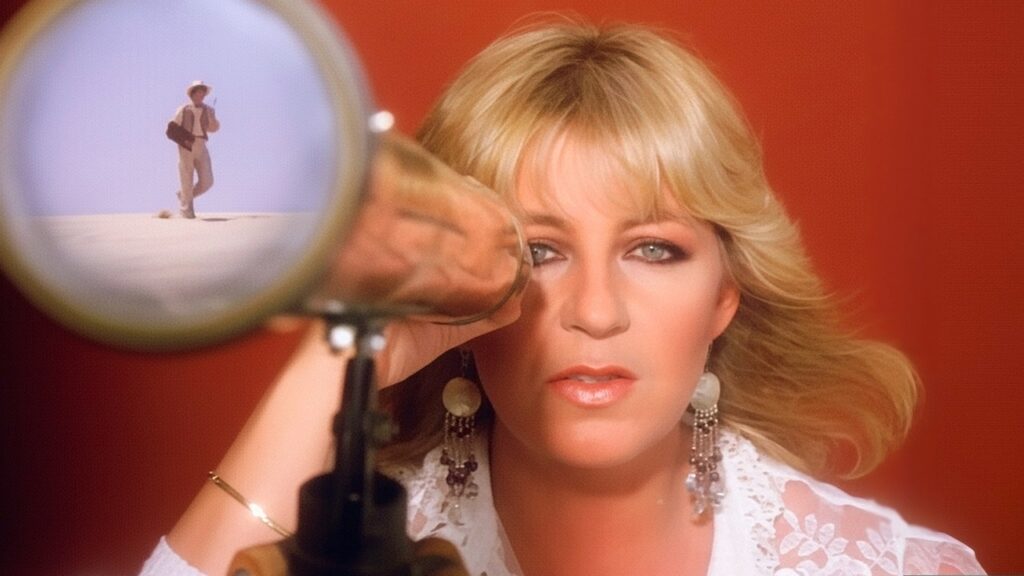
Released in July 1982, “Hold Me” became Fleetwood Mac’s biggest American hit of the 1980s and one of the defining songs from their album Mirage. Blending Christine McVie’s warm songwriting, Lindsey Buckingham’s inventive production ideas, and the band’s trademark vocal harmonies, the song captured everything that made Fleetwood Mac one of rock’s greatest bands. It was polished enough for pop radio, sophisticated enough for longtime fans, and helped remind the music world that the group remained a commercial powerhouse long after the phenomenal success of Rumours.
The years following Rumours had been anything but predictable. The 1977 album became one of the best-selling records of all time, but its success came during a period of personal turmoil, with nearly every member of the band experiencing relationship breakups. Instead of rushing to duplicate that formula, Fleetwood Mac released the ambitious and experimental double album Tusk in 1979. While Tusk earned critical praise and sold well, it didn’t match the commercial explosion of its predecessor. When the band reunited to record Mirage, they consciously set out to create a more accessible collection of songs.
“Hold Me” became the perfect introduction to that new direction.
Written primarily by Christine McVie, the song reportedly drew inspiration from her relationship with Beach Boys drummer Dennis Wilson. Although their romance eventually ended, McVie transformed those emotions into one of the most memorable love songs of her career. Rather than dwelling on heartbreak, “Hold Me” captures the uncertainty and longing that often accompany complicated relationships.
Christine McVie had long been Fleetwood Mac’s secret weapon. While Stevie Nicks often received attention for her mystical lyrics and Lindsey Buckingham for his adventurous production, McVie consistently delivered beautifully crafted pop songs built around elegant melodies and emotional honesty. “Hold Me” is one of the finest examples of her songwriting talent.
The arrangement opens with shimmering guitars and bright keyboards before settling into an infectious groove. Unlike many early-1980s pop songs that leaned heavily on synthesizers, “Hold Me” relies primarily on the chemistry of the band itself. Every instrument serves the song, creating a rich but uncluttered sound that has aged remarkably well.
Christine McVie’s lead vocal is warm, graceful, and reassuring. She sings with quiet confidence, allowing the melody to carry much of the emotion rather than relying on dramatic vocal flourishes. Her understated style gives the song an intimacy that makes it instantly relatable.
Lindsey Buckingham plays a crucial role throughout the recording. His inventive guitar work adds texture rather than flashy solos, while his harmony vocals blend seamlessly with McVie’s lead. Buckingham’s production instincts are equally important, layering instruments with incredible precision while ensuring the arrangement never feels overcrowded.
John McVie and Mick Fleetwood once again demonstrate why they were one of rock’s finest rhythm sections. John’s melodic bass playing anchors the harmony while Mick’s tasteful drumming provides an effortless groove that keeps the song moving without overwhelming its gentle character. Their ability to support the melody while maintaining rhythmic momentum is one of the band’s defining strengths.
The vocal harmonies deserve special recognition. Fleetwood Mac’s three principal singers—Christine McVie, Lindsey Buckingham, and Stevie Nicks—possessed remarkably different voices, yet together they created one of the most recognizable harmony sounds in rock history. On “Hold Me,” those harmonies enrich nearly every chorus, adding emotional depth without distracting from the lead vocal.
Producer Richard Dashut, working closely with Buckingham and the band, crafted a recording that balanced commercial polish with organic musicianship. Every instrument occupies its own space in the mix, giving the song exceptional clarity. Even after more than forty years, the production remains crisp and inviting.
Commercially, “Hold Me” became a tremendous success. It reached No. 4 on the Billboard Hot 100, making it Fleetwood Mac’s highest-charting American single since “Dreams” topped the chart in 1977. It also became a major hit internationally and helped propel Mirage to the top of the album charts, proving the band could still dominate popular music despite changing musical trends.
The music video became one of MTV’s early favorites. Directed by Steve Barron, it featured surreal desert imagery inspired by the paintings of René Magritte. Band members wandered through dreamlike landscapes filled with strange visual metaphors, creating one of the era’s most memorable videos. Although the symbolism often puzzled viewers, its imaginative style helped distinguish Fleetwood Mac during the rapidly growing age of music television.
Looking back, “Hold Me” also represents a fascinating snapshot of Fleetwood Mac’s complicated internal dynamics. Personal relationships within the band remained strained, yet those tensions rarely affected the quality of the music. In fact, many of their greatest recordings emerged despite emotional difficulties behind the scenes.
One reason “Hold Me” continues to endure is its timeless construction. The melody is unforgettable, the lyrics are emotionally honest, and the arrangement avoids production gimmicks that might have dated it. Instead, it relies on outstanding songwriting and exceptional performances from every member of the band.
Today, the song remains a staple of classic rock and adult contemporary radio while continuing to be a highlight of Fleetwood Mac compilations and streaming playlists. It is frequently cited as one of Christine McVie’s greatest songwriting achievements and serves as a reminder of her immense contribution to the band’s success.
More than four decades after its release, “Hold Me” stands as one of Fleetwood Mac’s finest pop recordings. Christine McVie’s elegant songwriting, Lindsey Buckingham’s masterful production, the band’s impeccable musicianship, and their unforgettable vocal harmonies combine to create a song that remains every bit as captivating today as it was in 1982. It is a shining example of how simplicity, sincerity, and extraordinary talent can produce a truly timeless classic.
This post has already been read 81 times!