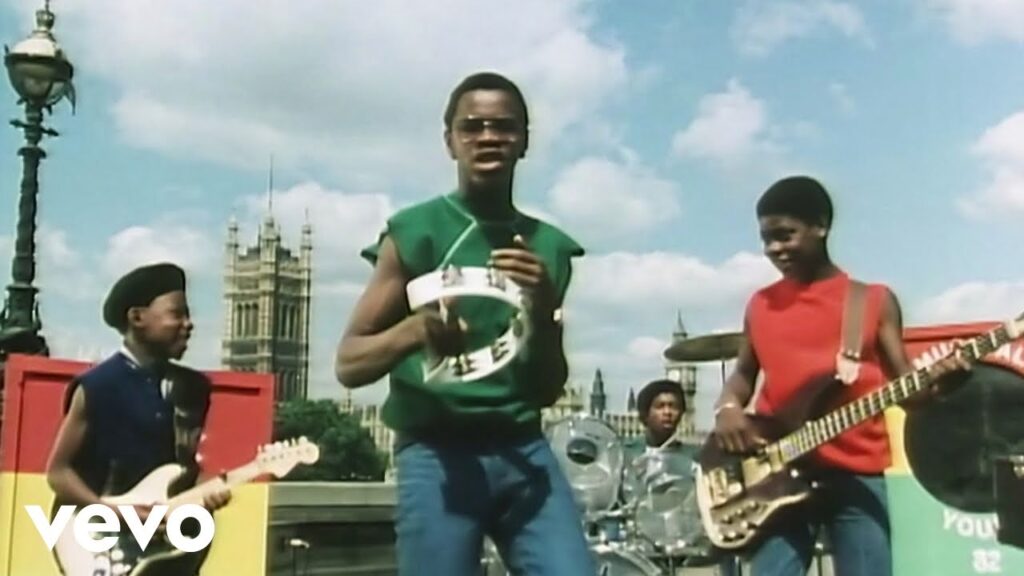
How a Group of Birmingham Teenagers Created One of the Most Unforgettable Hits of the 1980s
Released in September 1982, “Pass the Dutchie” by Musical Youth became one of the most recognizable songs of the decade. With its infectious reggae groove, youthful vocals, and catchy chorus, it seemed like an innocent novelty hit on the surface. Yet beneath its cheerful sound lies a fascinating story involving Jamaican reggae legends, altered lyrics, and one of the most successful youth bands in pop music history.
The song reached No. 1 in the United Kingdom, became a Top 10 hit across much of Europe, Australia, and Canada, and climbed into the Top 10 on the Billboard Hot 100 in the United States. For many listeners, it served as their introduction to reggae and dancehall music, even if they didn’t realize the song had much deeper roots.
More than forty years later, “Pass the Dutchie” remains instantly recognizable and continues to appear in movies, commercials, television shows, and nostalgic playlists celebrating the best music of the 1980s.
The Story Behind the Song
Unlike many chart hits, “Pass the Dutchie” was not an original composition.
Instead, Musical Youth combined elements from two Jamaican reggae songs: “Pass the Kouchie” by The Mighty Diamonds and “Gimme the Music” by U Brown. Both songs were rooted in reggae culture and contained references that were common within Jamaican music but less likely to receive mainstream radio airplay.
The word “kouchie” referred to a marijuana pipe. For a group of teenage musicians hoping to reach a broad audience, that obviously wasn’t going to work.
Producer Peter Collins and the band cleverly substituted the word “Dutchie,” a Jamaican cooking pot used for preparing meals. That single change completely transformed the meaning of the chorus. Rather than passing around a pipe, listeners now imagined children sharing food during hard times.
Ironically, many young fans had no idea the song had ever been about anything else.
Who Were Musical Youth?
Musical Youth formed in Birmingham, England, and consisted primarily of teenagers between the ages of 11 and 16. Several members were brothers, and their fathers were musicians themselves, helping guide the group’s early development.
The lineup featured:
- Dennis Seaton
- Michael Grant
- Patrick Waite
- Kelvin Grant
- Junior Waite
Their youth became one of their biggest selling points, but they were far more than a novelty act. Every member could genuinely play, and their performances displayed a level of musicianship well beyond their years.
Their combination of reggae rhythms and polished pop production helped them appeal to audiences that might never have otherwise explored Jamaican music.
Songwriting
Although the chorus grabs listeners immediately, “Pass the Dutchie” succeeds because it balances fun with meaningful themes.
Much of the lyric centers on hunger and everyday struggles. References to cooking pots and food fit naturally into the rewritten version while preserving the spirit of community found in the original reggae recordings.
The verses also celebrate music itself as something capable of bringing people together regardless of age or background.
That combination of playful energy and subtle social commentary reflects reggae’s long tradition of addressing real-life issues through memorable melodies.
Even listeners who never paid close attention to the words could sense there was more happening than simply repeating the chorus.
Performance
One of the song’s greatest strengths is the genuine enthusiasm of Musical Youth.
Their vocals sound energetic without becoming overly polished, giving the recording an authenticity that adult performers probably couldn’t have duplicated. Rather than trying to imitate seasoned reggae veterans, the group embraced their own youthful personalities.
The harmonies are bright and natural, while the lead vocal delivers every line with confidence and charm.
Instrumentally, the band locks into an irresistible groove. The bass provides the steady heartbeat, guitars emphasize the classic reggae offbeat rhythm, and keyboards add warmth without overpowering the arrangement.
Everything feels relaxed while remaining incredibly tight.
Production
Producer Peter Collins wisely resisted the temptation to make the song overly commercial.
The recording maintains its reggae identity while incorporating enough pop polish to appeal to international radio stations.
Highlights of the production include:
- Crisp reggae rhythm guitar
- Deep, melodic bass lines
- Bright keyboard accents
- Clean vocal harmonies
- Tight percussion
- A warm, uncluttered mix
Unlike many early-1980s pop records filled with heavy synthesizers and gated drums, “Pass the Dutchie” relies primarily on traditional instruments. That decision has helped the recording age remarkably well.
Today it sounds just as fresh as it did upon release.
Chart Success
“Pass the Dutchie” became a global phenomenon.
It topped the UK Singles Chart and reached the Top 10 in numerous countries around the world. In the United States, it climbed to No. 10 on the Billboard Hot 100, giving Musical Youth one of the biggest crossover reggae hits ever recorded.
The accompanying album, The Youth of Today, also performed well internationally, though none of the band’s later singles would match the extraordinary success of “Pass the Dutchie.”
Like many young groups that experience sudden fame, Musical Youth struggled to sustain their momentum. Nevertheless, one unforgettable hit was enough to cement their place in pop music history.
Why the Song Endures
A Universal Groove
The reggae rhythm is impossible to resist. Even listeners unfamiliar with the genre find themselves tapping along almost immediately.
Genuine Youthful Energy
Unlike manufactured novelty acts, Musical Youth actually played their instruments and sounded completely natural.
Clever Adaptation
Changing one word allowed the song to become family-friendly without losing the spirit of the original recordings.
Cross-Cultural Appeal
The record introduced millions of listeners to reggae while remaining accessible to mainstream pop audiences.
Cultural Impact
Throughout the decades, “Pass the Dutchie” has enjoyed a remarkable second life.
It has appeared in films, television programs, commercials, sporting events, and countless retro compilations celebrating the 1980s. Every new generation seems to discover the song and embrace its infectious energy.
The recording also helped open doors for reggae artists by demonstrating that Jamaican musical styles could achieve enormous international success without sacrificing their identity.
Many listeners who later explored reggae legends such as The Mighty Diamonds, Toots and the Maytals, or Jimmy Cliff first became interested after hearing Musical Youth.
That alone makes the song historically significant.
Legacy
Although Musical Youth’s time at the top of the charts was relatively brief, “Pass the Dutchie” remains one of the defining reggae-pop crossover hits ever recorded.
Its optimism, musicianship, and unforgettable chorus have allowed it to outlast countless bigger-budget productions from the same era. What began as a clever adaptation of Jamaican reggae classics became a worldwide anthem celebrating music, friendship, and youthful enthusiasm.
Today, hearing the opening bass line instantly transports listeners back to the early 1980s. Yet the song feels far more than nostalgic—it still sounds joyful, vibrant, and full of life.
Very few one-hit wonders leave behind a recording that remains this beloved decades later.
Final Thoughts
“Pass the Dutchie” is proof that a great song can cross generations, cultures, and musical styles. Musical Youth combined genuine talent with an irresistible groove and delivered a recording that remains just as enjoyable today as it was in 1982.
While many people remember it simply as a fun novelty hit, a closer listen reveals thoughtful songwriting, excellent musicianship, and an important connection to reggae’s rich musical heritage. That combination has ensured its lasting place among the most memorable songs of the decade.
This post has already been read 43 times!