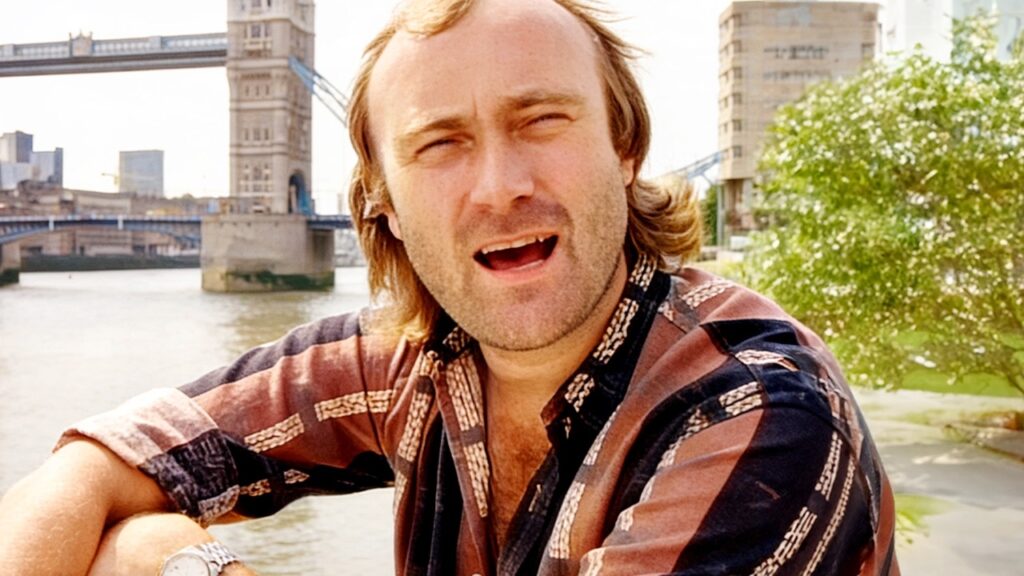
By 1985, Phil Collins was one of the biggest stars in the world. Fresh off the phenomenal success of No Jacket Required, he seemed incapable of missing the charts. While upbeat hits like “Sussudio” and “One More Night” dominated radio, another single from the album offered something much deeper. “Take Me Home” wasn’t a traditional love song or a straightforward pop anthem. Instead, it was a haunting, atmospheric journey that blended electronic textures, emotional vocals, and cinematic storytelling into one of Collins’ most memorable recordings.
Released as the album’s final single in the United States, “Take Me Home” reached the Top 10 on the Billboard Hot 100 and became another international success. Although it sometimes receives less attention than Collins’ biggest chart-toppers, many fans consider it one of the finest songs of his solo career. Its emotional depth, powerful production, and unforgettable chorus have helped it endure as one of the standout recordings of the 1980s.
The Story Behind the Song
One of the biggest misconceptions surrounding “Take Me Home” is its meaning. Because of its title and emotional chorus, many listeners assume it’s about longing to return to family or a familiar place. In reality, Phil Collins has explained that the song was inspired by Ken Kesey’s novel One Flew Over the Cuckoo’s Nest.
Rather than focusing on physical travel, the song reflects the thoughts of someone trapped inside a mental institution who desperately wants to escape. That perspective gives the lyrics a haunting emotional weight that differs dramatically from the comforting interpretation many listeners initially assume.
Collins was enjoying extraordinary creative momentum during the recording of No Jacket Required. The album would become one of the biggest sellers of the decade, winning the Grammy Award for Album of the Year and producing multiple hit singles.
“Take Me Home” served as one of the record’s emotional centerpieces, demonstrating that Collins could move effortlessly between infectious pop songs and more introspective material without losing his commercial appeal.
The Sound
“Take Me Home” opens with atmospheric synthesizers that immediately establish a dreamlike mood. Rather than rushing into a dramatic chorus, the arrangement unfolds patiently, allowing tension to build with each passing verse.
The production showcases many of the elements that defined Phil Collins’ sound during the mid-1980s. Rich keyboard textures, electronic percussion, subtle guitar work, and carefully layered backing vocals create a spacious sonic landscape that feels both intimate and cinematic.
The famous gated drum sound, closely associated with Collins throughout the decade, appears here with remarkable restraint. Instead of dominating the recording, the percussion gradually increases in intensity, helping the song build toward its emotionally satisfying conclusion.
Producer Hugh Padgham once again demonstrates his remarkable ability to create recordings that sound enormous without becoming cluttered. Every instrument occupies its own space, allowing listeners to appreciate the subtle details hidden throughout the arrangement.
Even after decades, the production remains impressive because it emphasizes mood and dynamics rather than simply chasing contemporary trends.
Performance and Musicianship
Phil Collins delivers one of the most emotionally convincing vocal performances of his solo career.
His voice begins quietly, almost conversationally, before growing increasingly urgent as the song progresses. Rather than relying on vocal gymnastics, Collins communicates emotion through phrasing, dynamics, and sincerity.
The chorus gains additional power from an extraordinary group of backing vocalists. Sting, Peter Gabriel, and Helen Terry all contributed harmony vocals, creating one of the most remarkable collaborations of the decade. Their voices blend beautifully with Collins’, adding richness without distracting from the lead performance.
Instrumentally, the recording is equally impressive. Collins’ drumming remains tasteful throughout, serving the emotional flow rather than showcasing technical ability. The keyboards create an immersive atmosphere, while subtle guitar textures and bass lines provide depth beneath the shimmering synthesizers.
Together, the musicians create a performance that feels expansive while remaining deeply personal.
Why It Worked
Several factors helped “Take Me Home” become another major hit for Phil Collins.
First, the melody is unforgettable. The chorus builds naturally from the quieter verses, creating an emotional release that resonates long after the song ends.
Second, Collins’ reputation as both a songwriter and performer was at its peak. Audiences trusted that every new single would deliver memorable music, and “Take Me Home” rewarded that expectation.
The production also struck an ideal balance between accessibility and sophistication. It sounded contemporary enough for Top 40 radio while offering greater emotional depth than many pop hits of the period.
MTV further boosted the song’s popularity with a visually engaging music video that featured Collins performing in famous locations around the world, including London, Paris, New York, Tokyo, Sydney, and Los Angeles. The global imagery complemented the song’s title while creating a memorable visual experience that became one of the network’s most frequently aired clips.
The Legacy
Although No Jacket Required produced several enormous singles, “Take Me Home” has developed a particularly devoted following over the years.
It remains a highlight of Phil Collins’ live performances, often serving as an emotional finale that encourages audiences to sing along to its soaring chorus. The song has also appeared in films, television programs, sporting events, and documentaries, continually introducing it to new generations of listeners.
Musically, it represents one of Collins’ finest achievements as both a songwriter and producer. Its layered arrangement, thoughtful pacing, and emotional honesty have influenced numerous artists working in pop and rock.
Perhaps most importantly, the song continues to surprise listeners who discover its true inspiration. Understanding its connection to One Flew Over the Cuckoo’s Nest adds a fascinating dimension that transforms an already powerful recording into something even more compelling.
Final Thoughts
“Take Me Home” is one of Phil Collins’ greatest artistic accomplishments. While many remember him primarily for upbeat pop hits and stadium-ready choruses, this song reveals the depth of his songwriting and his remarkable ability to create atmosphere through music.
Its haunting production, heartfelt vocal performance, and gradual emotional build make it one of the most rewarding recordings in his extensive catalog. Every listen reveals new details, from the carefully layered instrumentation to the extraordinary backing vocals contributed by some of rock’s biggest names.
More than forty years after its release, “Take Me Home” continues to resonate because it speaks to universal feelings of isolation, hope, and the desire for peace. It stands as one of the defining songs of Phil Collins’ solo career and remains an essential chapter in the story of 1980s pop music—a timeless recording whose emotional impact has never faded.
This post has already been read 74 times!