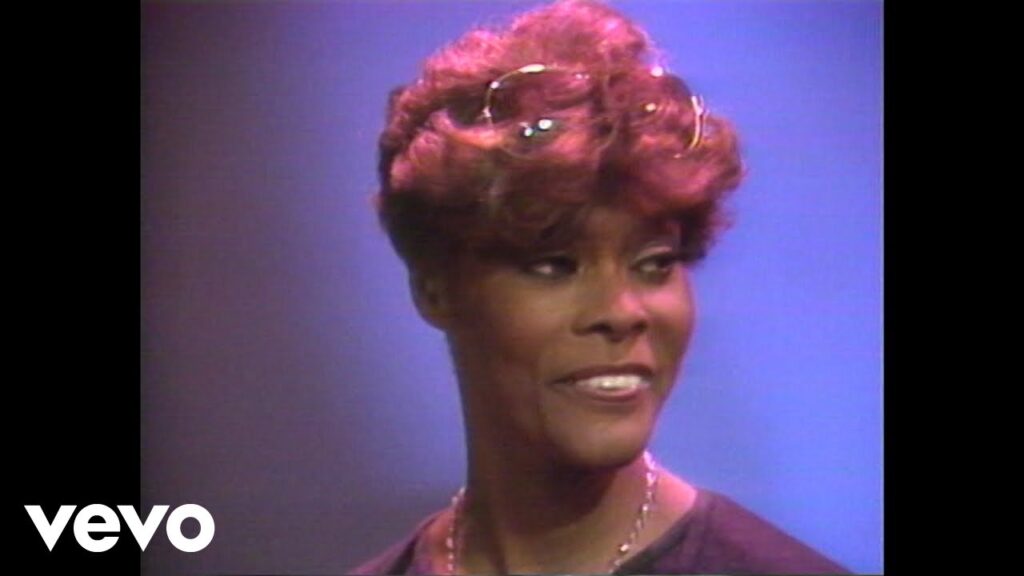
Charity singles have produced some of the biggest hits in music history, but few have matched the emotional warmth and enduring legacy of “That’s What Friends Are For.” Recorded by Dionne Warwick, Elton John, Gladys Knight, and Stevie Wonder—collectively billed as Dionne & Friends—the song became much more than a chart-topping ballad. Released in 1985 to benefit the American Foundation for AIDS Research (amfAR), it offered hope during one of the most frightening public health crises of the twentieth century while reminding listeners of the power of compassion, loyalty, and friendship.
Although many people associate the song exclusively with Dionne Warwick and her superstar collaborators, “That’s What Friends Are For” had an earlier history. Written by the legendary songwriting duo Burt Bacharach and Carole Bayer Sager, it was originally recorded by Rod Stewart for the 1982 comedy film Night Shift. Stewart’s version introduced the song, but it was the remarkable collaboration assembled three years later that transformed it into a worldwide classic and one of the defining recordings of the 1980s.
By the mid-1980s, the AIDS epidemic had devastated communities around the world. Fear, misinformation, and stigma often overshadowed compassion, making public support from major celebrities especially significant. Dionne Warwick recognized that music could help raise both awareness and much-needed funding. She brought together three of the biggest names in popular music, each contributing not only extraordinary talent but also genuine commitment to the cause.
The resulting collaboration was extraordinary. Rather than allowing four superstar egos to compete for attention, the performers approached the recording as a true ensemble. Their mutual respect is evident throughout the song, creating an atmosphere that feels heartfelt rather than manufactured.
The arrangement begins simply, allowing Dionne Warwick’s elegant voice to establish the song’s gentle tone. Her smooth phrasing and understated emotional delivery immediately invite listeners into the story. Warwick had spent decades interpreting Burt Bacharach’s sophisticated melodies, making her the ideal artist to introduce another of his beautifully crafted compositions.
Elton John follows with warmth and sincerity, bringing his unmistakable vocal style while resisting the dramatic flourishes that often characterized his solo work. His performance feels intimate, emphasizing the song’s message rather than showcasing vocal power.
Gladys Knight contributes rich soulfulness, adding emotional depth through her expressive voice. Few singers possess Knight’s ability to communicate reassurance and empathy, and her section becomes one of the recording’s emotional highlights.
Finally, Stevie Wonder delivers a magnificent performance that combines technical brilliance with heartfelt conviction. His harmonica solo provides one of the recording’s defining musical moments, adding warmth and humanity before all four artists unite for the unforgettable closing chorus.
The chemistry among the singers is remarkable. Each artist maintains their individual identity while contributing to a unified performance that feels greater than the sum of its already extraordinary parts.
Musically, “That’s What Friends Are For” is a beautifully constructed adult contemporary ballad. Burt Bacharach’s elegant chord progressions provide sophistication without becoming overly complex, while Carole Bayer Sager’s lyrics communicate universal themes through clear, heartfelt language.
The production, handled by Burt Bacharach and Carole Bayer Sager, reflects the polished sound of mid-1980s adult contemporary music while avoiding excessive studio trends that might have dated the recording. Soft keyboards, tasteful strings, restrained percussion, and gentle backing vocals support the lead singers without overwhelming them.
The song gradually builds in intensity, culminating in a powerful final chorus where all four voices come together. That closing section perfectly captures the recording’s central message: unity creates strength. Rather than relying on vocal competition, the artists demonstrate how harmony—both musically and symbolically—can produce something truly inspiring.
Lyrically, the song celebrates unconditional support during life’s most difficult moments. Its message extends far beyond romantic relationships, embracing family, friendship, and community. The words remind listeners that genuine friendship means standing beside one another regardless of circumstances, making the song especially meaningful during a period when many people affected by AIDS experienced fear, discrimination, and isolation.
Released in late 1985, “That’s What Friends Are For” became an enormous commercial success. It spent four weeks at No. 1 on the Billboard Hot 100 in early 1986 and topped numerous other charts around the world. More importantly, the single raised millions of dollars for AIDS research and education, making a tangible difference beyond its musical achievements.
The recording also received widespread critical acclaim. It won the Grammy Award for Best Pop Performance by a Duo or Group with Vocals while earning nominations in several other major categories. Its success demonstrated that commercially successful pop music could also serve an important humanitarian purpose.
Over the decades, “That’s What Friends Are For” has become a staple at benefit concerts, memorial services, graduation ceremonies, and celebrations honoring friendship and community. Its message has proven remarkably timeless because every generation experiences moments when compassion and loyalty matter most.
The song also stands as one of the finest examples of collaborative recording. Each performer could easily have dominated the session individually, yet all four consistently place the song ahead of personal spotlight. That humility gives the recording an authenticity that continues to resonate.
Its influence extends beyond music. The success of the single encouraged other artists to use their platforms for charitable causes, demonstrating how popular music could unite audiences while supporting meaningful social initiatives. Alongside other major benefit recordings of the 1980s, it helped establish a tradition of musicians coming together to address global challenges through their art.
For Dionne Warwick, Elton John, Gladys Knight, and Stevie Wonder, the song remains one of the defining collaborative achievements of their remarkable careers. Each had already built an extraordinary legacy, but together they created something uniquely powerful—an anthem whose greatest accomplishment lies not only in its commercial success but in the hope and comfort it has offered millions of listeners.
Nearly forty years after its release, “That’s What Friends Are For” continues to inspire. Its elegant melody, heartfelt performances, and timeless message remind us that kindness, loyalty, and compassion remain among humanity’s greatest strengths. More than just a beautiful ballad, it is a lasting testament to the extraordinary things that can happen when gifted artists unite in service of a cause greater than themselves.
This post has already been read 93 times!