Released in January 1986 as the third single from the self-titled album Heart, “These Dreams” became a milestone in the legendary band’s career. The ethereal power ballad climbed to No. 1 on the Billboard Hot 100, giving Heart its first chart-topping single after more than a decade of success. With Nancy Wilson taking lead vocals for the first time on a Heart hit, the song showcased a softer, dreamlike side of the band’s sound while retaining the emotional depth and musicianship that had made them one of rock’s premier acts.
More than forty years after its release, “These Dreams” remains one of Heart’s most beloved songs, celebrated for its haunting melody, lush production, and unforgettable vocal performance.
A New Chapter for Heart
By the mid-1980s, Heart had already built an impressive legacy.
Ann and Nancy Wilson had led the Seattle-based band through a string of classic 1970s hits, including “Magic Man,” “Crazy on You,” “Barracuda,” and “Straight On.” As musical tastes shifted during the early 1980s, however, the band faced the challenge of remaining relevant in an increasingly competitive rock landscape.
Their self-titled 1985 album provided the perfect comeback.
Featuring polished production and strong outside songwriting, the record became one of Heart’s biggest commercial successes and introduced the band to an entirely new generation of listeners.
A Song They Almost Didn’t Record
Unlike many of Heart’s earlier classics, “These Dreams” wasn’t written by members of the band.
The song was composed by Martin Page and Bernie Taupin, the celebrated lyricist best known for his longtime partnership with Elton John. Initially, Ann Wilson was expected to sing the lead vocal, but when she was temporarily unable to record because of a cold, Nancy Wilson stepped into the role.
The decision proved inspired.
Nancy’s gentle, airy voice gave the song a unique atmosphere that perfectly suited its dreamlike mood.
It became one of the defining moments of her career.
Between Dreams and Reality
“These Dreams” explores the mysterious space between fantasy and waking life.
The narrator finds comfort and escape in dreams, where emotional burdens seem lighter and possibilities feel limitless. Rather than presenting a straightforward story, the lyrics invite listeners to interpret the song through their own experiences and emotions.
Its poetic ambiguity is one of its greatest strengths.
The imagery creates a mood that feels deeply personal without being overly specific.
That openness has helped the song resonate with audiences for decades.
Nancy Wilson’s Breakthrough Vocal
Nancy Wilson delivers a beautifully understated performance.
Her voice is soft, expressive, and remarkably intimate, floating effortlessly above the lush arrangement. Instead of relying on dramatic power, she communicates emotion through subtle phrasing and graceful restraint.
The contrast with Ann Wilson’s powerhouse vocals added another dimension to Heart’s sound.
Nancy’s performance remains one of the most distinctive lead vocals in the band’s catalog.
A Rich and Atmospheric Production
Produced by Ron Nevison, “These Dreams” exemplifies the polished sound of mid-1980s rock.
Layered synthesizers, shimmering guitars, tasteful percussion, melodic bass, and subtle orchestral textures create an expansive musical landscape that perfectly complements the song’s reflective mood. The arrangement gradually builds without ever overwhelming the vocals.
Every production choice enhances the atmosphere.
The recording remains elegant and timeless.
Heart’s First Number One Hit
“These Dreams” became a landmark achievement for the band.
The single reached No. 1 on the Billboard Hot 100, giving Heart its first chart-topping song after years of commercial success. It also helped propel the Heart album to multi-platinum status while setting the stage for additional hits such as “Never,” “Nothin’ at All,” and “If Looks Could Kill.”
The success demonstrated the band’s remarkable ability to evolve.
Heart had successfully adapted to the MTV era without losing its musical identity.
A Beautiful MTV Video
The music video complemented the song’s ethereal mood.
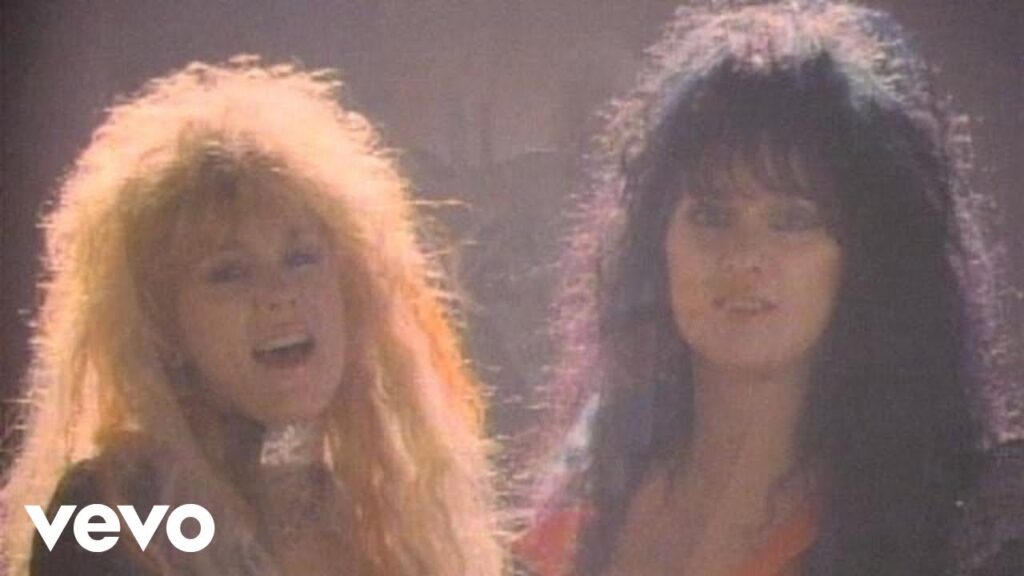
Featuring Ann and Nancy Wilson performing amid soft lighting, dreamlike imagery, and elegant visual effects, the clip emphasized the song’s themes of imagination and emotional escape. The understated presentation allowed the music to remain the focal point.
Frequent MTV airplay helped introduce Heart to younger audiences.
The video became one of the band’s most recognizable visual works.
Why It Still Captivates
The enduring appeal of “These Dreams” comes from its atmosphere.
Its gentle melody, poetic lyrics, and delicate production create an emotional experience that feels both comforting and mysterious. Unlike many power ballads of its era, the song relies on subtlety rather than dramatic excess.
Listeners continue to discover new meaning in its lyrics.
Its dreamlike quality makes every listen feel slightly different.
Legacy
“These Dreams” stands as one of Heart’s greatest achievements and one of the defining ballads of the 1980s. Its chart-topping success, beautiful arrangement, and Nancy Wilson’s unforgettable lead vocal demonstrated the band’s extraordinary versatility and willingness to explore new musical territory.
The song’s enduring popularity, memorable music video, and lasting presence on classic rock and adult contemporary radio have secured its place among the essential classics of the MTV generation. More importantly, it proved that emotional subtlety could be just as powerful as arena-sized rock anthems.
More than forty years after reaching No. 1, “These Dreams” continues to enchant listeners with its graceful melody, haunting atmosphere, and timeless beauty. Gentle, reflective, and deeply moving, it remains one of Heart’s signature songs and one of the finest ballads ever recorded.
This post has already been read 80 times!