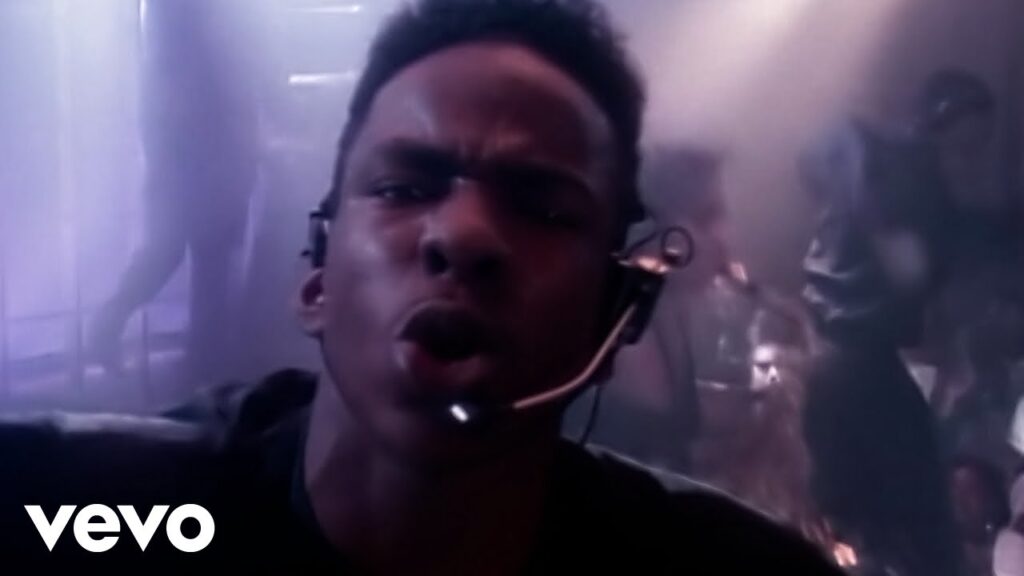
Released in October 1988 as the lead single from Bobby Brown’s blockbuster album Don’t Be Cruel, “My Prerogative” became one of the defining songs of late-1980s R&B and pop. Built around a thunderous groove, bold lyrics, and Brown’s charismatic performance, the single shot to No. 1 on the Billboard Hot 100, solidifying his transformation from former boy-band member to one of the biggest solo stars of the era. More than just a hit record, “My Prerogative” became a statement of independence, confidence, and personal freedom that continues to resonate decades later.
Its unforgettable beat, instantly recognizable opening, and fearless attitude have helped make it one of the signature songs of the 1980s.
Breaking Away from New Edition
Before launching his solo career, Bobby Brown had already found success as one of the original members of New Edition. The Boston-based group produced a string of R&B and pop hits, but Brown’s outspoken personality and desire for greater creative freedom eventually led to his departure in 1985.
Many questioned whether he could succeed on his own.
The answer arrived emphatically with Don’t Be Cruel. The album became one of the biggest-selling releases of the decade, producing five Top 10 singles and establishing Brown as one of the pioneers of what would soon be known as new jack swing.
“My Prerogative” led the charge.
A Declaration of Independence
The lyrics of “My Prerogative” aren’t about romance or heartbreak.
Instead, they’re a response to criticism and public judgment. Brown pushes back against people who believe they have the right to dictate how he should live his life, arguing that personal choices belong to the individual—not to outsiders.
The message struck a chord with listeners because it extended beyond celebrity culture. Nearly everyone has experienced moments when they felt misunderstood or unfairly judged, making the song’s central theme universally relatable.
Its confident attitude became one of its greatest strengths.
The New Jack Swing Sound
“My Prerogative” is one of the defining recordings of the new jack swing movement.
Produced by Teddy Riley and Gene Griffin, the song blends R&B melodies with hip-hop rhythms, electronic production, funk influences, and aggressive drum programming. The result was a fresh, energetic sound that would dominate radio during the closing years of the 1980s and influence pop music throughout the following decade.
The opening drum pattern is immediately recognizable, setting the tone before Brown even begins singing.
Its innovative production helped redefine contemporary R&B.
Bobby Brown’s Charisma
While the production is exceptional, Bobby Brown’s performance is what truly brings the song to life.
He delivers every line with confidence, swagger, and unmistakable personality. Rather than simply singing the lyrics, Brown performs them as if he’s speaking directly to anyone questioning his decisions.
His vocal balances smooth melodies with rhythmic phrasing, creating a style that perfectly complements Teddy Riley’s groundbreaking production.
The result is a performance filled with energy and conviction.
A Music Video Built for MTV
The music video became one of the defining clips of Bobby Brown’s career.
Featuring elaborate choreography, dramatic lighting, and stylish visual effects, it highlighted Brown’s impressive dancing while reinforcing the song’s confident message. His energetic stage presence made him one of MTV’s most recognizable performers during the late 1980s.
The video’s polished production reflected Brown’s emergence as a complete entertainer rather than simply a singer.
Heavy MTV rotation helped propel the single to even greater success.
Dominating the Charts
“My Prerogative” became Bobby Brown’s first No. 1 single on the Billboard Hot 100, reaching the top in January 1989.
The song also topped the R&B chart and achieved strong international success, helping Don’t Be Cruel become one of the best-selling albums of the decade. The record eventually produced an extraordinary string of hit singles, including “Every Little Step,” “Rock Wit’cha,” and “Roni.”
Its commercial performance confirmed Brown as one of pop music’s biggest stars.
Influencing a Generation
The impact of “My Prerogative” extended far beyond its chart performance.
Its blend of R&B, hip-hop, and pop became a blueprint for countless artists who followed. The production techniques pioneered by Teddy Riley shaped the sound of the early 1990s, influencing everyone from Michael Jackson to Janet Jackson and beyond.
The song’s confident attitude also anticipated the growing emphasis on personal empowerment that would become increasingly common in popular music.
Its influence remains easy to hear today.
Why It Still Matters
“My Prerogative” continues to connect with audiences because its message has never lost its relevance.
People still face criticism, public opinion, and pressure to conform. Brown’s insistence on personal independence feels just as meaningful today as it did in 1988.
Musically, the record has also aged remarkably well. The production remains powerful, the groove still commands attention, and Brown’s performance continues to radiate confidence.
It remains a favorite on classic R&B stations and nostalgic playlists celebrating the best of the era.
Legacy
“My Prerogative” stands as one of the defining songs of Bobby Brown’s career and one of the landmark recordings of late-1980s R&B. It showcased the arrival of new jack swing as a dominant musical force while establishing Brown as one of the decade’s premier entertainers.
The song also demonstrated that pop music could be both commercially successful and deeply personal. Its themes of self-determination, individuality, and resilience have allowed it to remain relevant across generations, while Teddy Riley’s innovative production continues to influence artists more than three decades later.
More than thirty-five years after topping the charts, “My Prerogative” remains an essential piece of pop and R&B history. Bold, energetic, and unapologetically confident, it continues to remind listeners that sometimes the most powerful statement a person can make is simply claiming the right to live life on their own terms.
This post has already been read 85 times!