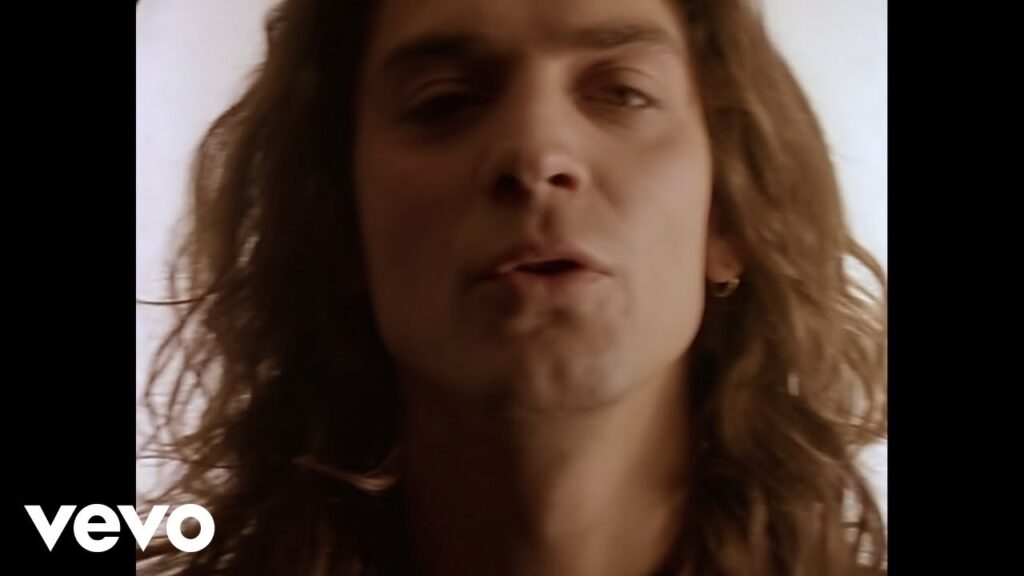
Some songs become closely associated with an era. Others somehow manage to escape it. “The Promise” by When in Rome belongs to the second category. Released in 1988, the song perfectly captures the shimmering synthesizers and emotional atmosphere of late-’80s pop while remaining just as captivating decades later.
Although When in Rome never enjoyed another hit on the same scale, “The Promise” became one of the defining synth-pop songs of its generation. It has continued to find new audiences through movies, television, streaming playlists, and classic hits radio, proving that a truly memorable melody never goes out of style.
For many fans of 1980s music, hearing those opening keyboard notes instantly creates a feeling of nostalgia unlike almost any other song.
A British Trio with a Distinctive Sound
When in Rome formed in England during the mid-1980s, a period when synth-pop dominated much of the European music scene.
The group consisted of vocalist Clive Farrington, keyboardist Michael Floreale, and keyboardist Andrew Mann.
Rather than relying on heavy guitars or elaborate arrangements, the band embraced layered synthesizers, electronic percussion, and melodic songwriting that emphasized mood as much as rhythm.
“The Promise” quickly emerged as the standout recording from their debut album.
It showcased everything the trio did well.
The Perfect Blend of Emotion and Electronics
One reason “The Promise” continues to resonate is its balance.
The production is unmistakably electronic, yet it never feels cold or mechanical.
Warm synthesizer pads create a dreamy atmosphere while steady drum programming provides momentum. Bright keyboard melodies weave effortlessly around the vocals, and subtle guitar textures add just enough organic warmth to complete the sound.
The arrangement is remarkably clean.
Nothing feels overcrowded.
Every musical layer contributes to the song’s emotional impact.
It’s an outstanding example of synth-pop production at its finest.
Clive Farrington’s Understated Vocal
Clive Farrington’s vocal performance is one of the song’s greatest strengths.
Rather than overwhelming listeners with dramatic flourishes, he sings with calm confidence and sincerity.
His smooth voice blends naturally into the surrounding instrumentation, making the performance feel almost hypnotic.
That restraint fits the material perfectly.
The song isn’t about explosive emotion.
It’s about quiet reassurance, hope, and commitment.
Farrington communicates those feelings beautifully.
A Message That Endures
Part of the reason “The Promise” has remained so popular is its universal theme.
The song centers on loyalty, trust, and standing beside someone despite uncertainty.
Those ideas resonate regardless of time or generation.
Unlike songs built around specific events or trends, “The Promise” speaks to emotions nearly everyone has experienced.
Its optimistic message gives the recording remarkable staying power.
Listeners continue finding their own meaning within it decades after its release.
A Surprise American Success
Although When in Rome came from Britain, “The Promise” achieved its greatest commercial success in the United States.
Released in 1988, the single climbed into the Billboard Top 20 while becoming a major favorite on adult contemporary and Top 40 radio.
Ironically, the song performed more modestly in its home country than it did across the Atlantic.
American audiences embraced its polished production and memorable chorus, making it one of the standout synth-pop hits of the late 1980s.
For many listeners, it became one of the defining songs of that year.
MTV and Late-’80s Pop
The music video reflected the understated elegance of the recording.
Rather than relying on elaborate storylines or expensive visual effects, it focused on the band performing amid stylish lighting and atmospheric imagery.
The presentation matched the music perfectly.
Its polished look made it a natural fit for MTV during an era when visually distinctive videos played a major role in breaking new artists.
Even viewers who had never heard of When in Rome quickly remembered the song after seeing it once.
More Than a One-Hit Wonder
Although When in Rome is often categorized as a one-hit wonder, that label can sometimes overshadow just how exceptional “The Promise” truly is.
Many artists spend entire careers hoping to record one song this memorable.
Creating a single timeless recording is hardly a failure.
In fact, “The Promise” has arguably outlasted countless songs that originally charted much higher.
Its continued popularity speaks for itself.
Finding New Generations
One reason “The Promise” refuses to disappear is its continued presence in popular culture.
The song has appeared in numerous films, television shows, and streaming playlists celebrating both the 1980s and synth-pop in general.
Each appearance introduces another generation of listeners to its shimmering melody and heartfelt message.
Unlike many nostalgic songs that remain trapped in their original decade, “The Promise” keeps finding new life.
That’s the mark of a genuine classic.
Why It Still Sounds Fresh
Some electronic productions become dated as technology evolves.
“The Promise” avoids that problem because it emphasizes songwriting above studio techniques.
The melody remains beautiful.
The chorus remains memorable.
The production still feels elegant rather than excessive.
Combined with Clive Farrington’s sincere vocal performance, the result is a recording that continues sounding remarkably modern despite being firmly rooted in the late 1980s.
The Legacy of “The Promise”
Today, “The Promise” occupies a special place in the history of synth-pop.
It may not have generated a long list of follow-up hits, but its influence extends far beyond its original chart performance.
The song has become a fixture on classic hits stations, ’80s playlists, and movie soundtracks because it consistently delivers exactly what listeners hope to hear: memorable melodies, emotional honesty, and beautifully crafted production.
It represents the very best qualities of late-’80s pop music.
Final Thoughts
Some songs become unforgettable because they’re attached to famous artists.
Others earn that distinction entirely on their own.
“The Promise” belongs firmly in the second group.
Its shimmering synthesizers, elegant production, heartfelt vocal performance, and timeless message combined to create one of the defining synth-pop recordings of the 1980s. Even though When in Rome never repeated its commercial success, they left behind a song that continues connecting with listeners around the world.
Nearly forty years after its release, “The Promise” remains exactly what its title suggests—a lasting reminder that great music doesn’t need dozens of hit singles to leave an unforgettable legacy. Sometimes all it takes is one extraordinary song, and When in Rome delivered one that still feels every bit as magical today as it did in 1988.
This post has already been read 46 times!