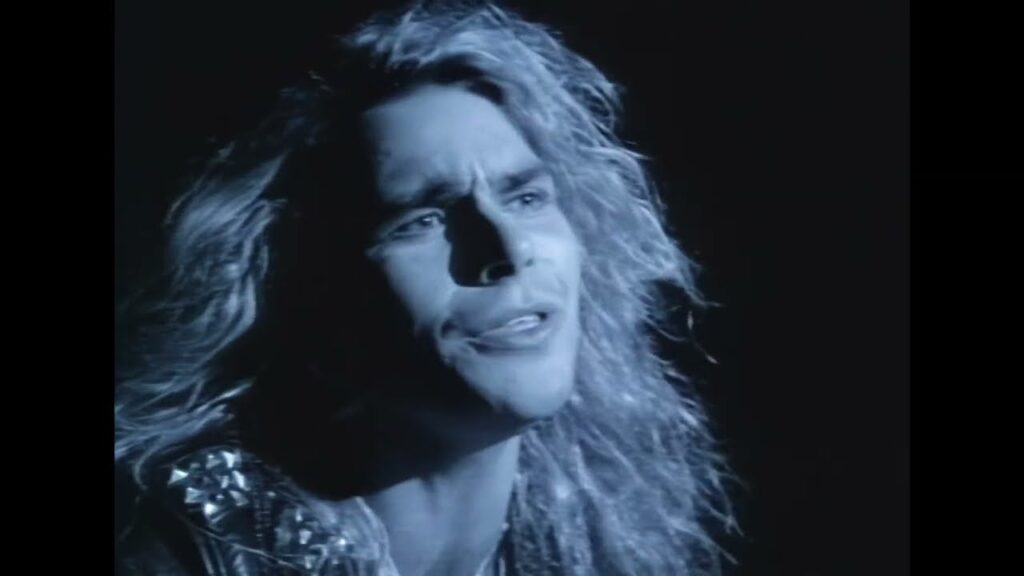
During the late 1980s, White Lion built their reputation on powerful hard rock songs, soaring guitar work, and the unmistakable vocals of Mike Tramp. Like many bands of the era, they were often grouped with the glam metal movement, sharing stages with acts known for loud guitars and larger-than-life performances. Yet beneath the band’s hard rock image was a willingness to tackle thoughtful subjects and explore deeper emotions. No song demonstrated that better than “When the Children Cry,” a heartfelt acoustic ballad that became White Lion’s biggest hit.
Released in 1988 as the fourth single from Pride, the song climbed to No. 3 on the Billboard Hot 100 and became an international success. Rather than focusing on romance or excess, “When the Children Cry” addressed war, violence, and the hope that future generations could build a more peaceful world. Its simple arrangement, emotional sincerity, and timeless message have allowed it to endure long after many other power ballads of the era have faded from memory.
The Story Behind the Song
White Lion formed in New York City after Danish vocalist Mike Tramp teamed with American guitarist Vito Bratta. Their chemistry quickly became the band’s greatest strength, combining Tramp’s melodic songwriting with Bratta’s extraordinary guitar playing.
By the time the group recorded Pride, they had developed a reputation for balancing muscular rock songs with melodic hooks. While tracks like “Wait” and “Tell Me” showcased the band’s arena-rock side, Tramp wanted to include a song that reflected his concerns about the state of the world.
“When the Children Cry” was written by Mike Tramp and was inspired by the ongoing threat of war, global conflict, and the responsibility adults have to leave behind a better future. Rather than delivering a political statement, the song focuses on universal themes of hope, compassion, and the innocence of children.
Initially, the record label questioned whether such a quiet acoustic song would succeed on rock radio. Those doubts disappeared when listeners embraced the single, making it White Lion’s highest-charting hit and introducing the band to a much broader audience.
The Sound
Unlike most rock ballads of its era, “When the Children Cry” relies on restraint instead of explosive production.
The song begins with Vito Bratta’s delicate acoustic guitar, immediately establishing an intimate atmosphere. Gentle keyboards and subtle bass gradually enter, but the arrangement never becomes crowded or overproduced.
Producer Michael Wagener wisely avoids the dramatic power-ballad formula popular during the late 1980s. There are no towering drum fills or walls of distorted guitars competing for attention. Instead, every instrument serves the emotional message of the song.
Bratta’s acoustic guitar work is particularly impressive. His clean picking and tasteful embellishments provide a beautiful foundation that complements Tramp’s vocal without ever distracting from it.
The simplicity of the arrangement gives the recording a timeless quality that still feels fresh decades later.
Performance and Musicianship
Mike Tramp delivers the most emotional vocal performance of his career.
Rather than relying on the powerful high notes associated with many hard rock singers, he approaches the song with warmth and vulnerability. His understated delivery allows the lyrics to resonate naturally, making the performance feel sincere rather than theatrical.
Vito Bratta’s musicianship deserves equal praise. Although widely recognized as one of the finest electric guitarists of the 1980s, he demonstrates remarkable discipline by allowing the acoustic arrangement to remain understated. His melodic guitar solo is beautiful precisely because it emphasizes feeling over technical display.
The rhythm section provides subtle support throughout, never overshadowing the vocal or guitar. Every member of White Lion understands that the song’s greatest strength lies in its emotional honesty.
The result is one of the most mature performances the band ever recorded.
Why It Worked
Several factors helped “When the Children Cry” become White Lion’s biggest hit.
First, its message was universal. Themes of peace, hope, and concern for future generations resonated with listeners regardless of age or musical preference.
Second, the melody is exceptionally strong. The chorus is memorable without becoming overly dramatic, allowing the emotional content to remain front and center.
The acoustic arrangement also distinguished the song from many other rock ballads of the period. At a time when louder often seemed better, White Lion proved that simplicity could be just as powerful.
MTV gave the accompanying black-and-white performance video regular rotation, helping expose the song to audiences beyond traditional rock radio.
Most importantly, the sincerity of Mike Tramp’s performance made the song believable. Listeners sensed that the message came from genuine conviction rather than commercial calculation.
The Legacy
“When the Children Cry” remains White Lion’s signature song and one of the most respected rock ballads of the late 1980s.
While the band is often remembered alongside glam metal acts, this song demonstrated a depth and maturity that set them apart from many of their contemporaries. It has continued to receive regular airplay on classic rock stations and appears on numerous collections celebrating the greatest power ballads of the decade.
Vito Bratta’s tasteful acoustic guitar work has also earned lasting admiration among guitarists, many of whom consider the song a perfect example of how technical ability can serve emotion rather than overshadow it.
Even decades after its release, its message about creating a better future remains just as meaningful as it was in 1988.
Final Thoughts
“When the Children Cry” is far more than a successful power ballad. It is a thoughtful reflection on humanity’s responsibility to future generations, delivered with sincerity, exceptional musicianship, and remarkable restraint.
Mike Tramp’s heartfelt vocal performance and Vito Bratta’s elegant acoustic guitar work combine to create one of the most emotionally affecting recordings of the 1980s. Every note supports the song’s hopeful message, proving that true power often comes from simplicity rather than volume.
More than thirty-five years after reaching the Top 10, “When the Children Cry” remains White Lion’s defining achievement and one of the finest acoustic rock ballads of its era. It stands as a timeless reminder that music can inspire reflection as well as entertainment, encouraging listeners to imagine a world where the next generation inherits something better than the one before.
This post has already been read 66 times!