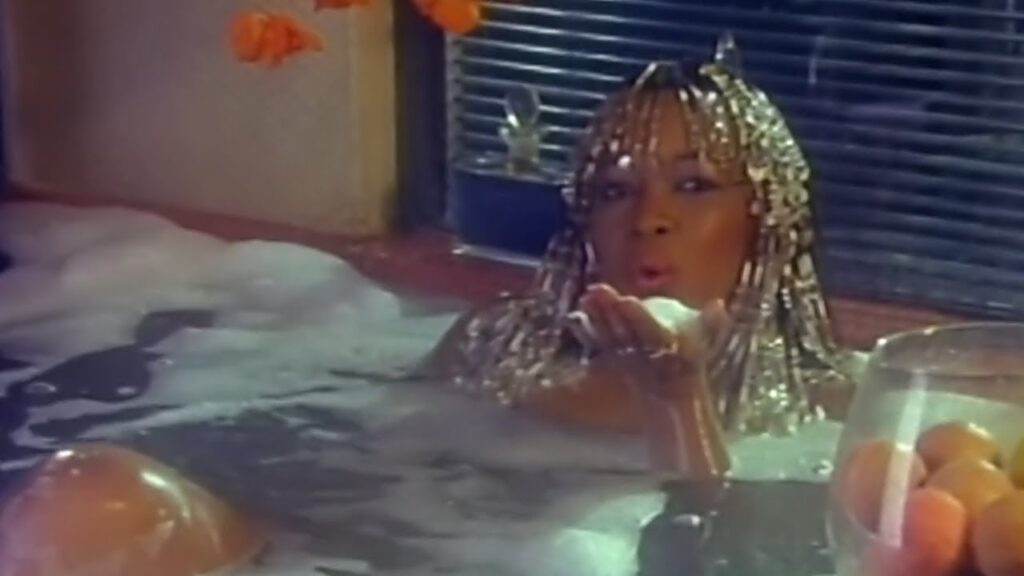
Released in the spring of 1985, “In My House” became the signature hit for the Mary Jane Girls and one of the most memorable R&B singles of the decade. Combining an irresistible funk groove, polished production, and boldly suggestive lyrics, the song showcased the unmistakable influence of producer Rick James while establishing the group as stars in their own right. Although the Mary Jane Girls recorded several successful singles during their career, “In My House” remains their defining recording and a cornerstone of mid-1980s R&B.
The Mary Jane Girls were formed in the early 1980s by funk superstar Rick James, who envisioned a female vocal group that blended glamour, attitude, and sophisticated harmonies with the hard-edged funk sound that had made him famous. The original lineup featured Jojo McDuffie, Candice “Candi” Ghant, Kim Scharpf, and Yvette Marine. From the beginning, James was deeply involved in every aspect of the group’s music, writing, producing, and shaping their image.
Their debut album, Mary Jane Girls, produced moderate success with songs like “All Night Long,” but it was their second album, Only Four You, that elevated the quartet to a new level. “In My House” served as the album’s lead single and quickly became a breakthrough hit.
Written and produced by Rick James, the song reflects his unmistakable musical style. Funky bass lines, crisp drum machines, shimmering synthesizers, and tight rhythm guitar combine to create a groove that is instantly recognizable. James had a gift for writing records that felt equally at home on R&B radio, dance floors, and pop stations, and “In My House” is one of his finest productions outside of his own recordings.
Lyrically, the song is playful, confident, and deliberately provocative. Although the lyrics sparked discussion when the song was released, the group always delivered them with charm rather than aggression. The recording walks a careful line between flirtation and empowerment, presenting women who confidently control the situation rather than simply reacting to it. That perspective helped distinguish the song from many contemporary love songs and contributed to its lasting appeal.
The opening immediately establishes the record’s sleek atmosphere. A punchy drum machine locks into a steady groove while synthesizers create shimmering textures overhead. Within moments, the bass enters with a funky rhythm that anchors the entire performance. The arrangement is unmistakably rooted in 1985, yet its emphasis on groove gives it a timeless quality.
The vocal performances are one of the song’s greatest strengths. Instead of relying on one dominant lead singer, the Mary Jane Girls blend lead and harmony vocals seamlessly throughout the track. Their voices complement one another beautifully, creating rich harmonies while maintaining a conversational, almost playful delivery. The chemistry between the four singers makes the performance feel natural and effortless.
Rick James’ production deserves enormous credit for the song’s enduring popularity. Every instrument is carefully placed within the mix, allowing the vocals to remain front and center while the rhythm section drives the song forward. The synthesizers add sparkle without becoming overwhelming, and the bass line remains one of the recording’s most memorable features.
One reason “In My House” has aged so well is its restraint. While many mid-1980s productions layered sounds until they became cluttered, James left plenty of space within the arrangement. Every musical element has room to breathe, making the groove even more effective.
Commercially, the single became the biggest hit of the Mary Jane Girls’ career. It reached No. 7 on the Billboard R&B Singles chart and crossed over to the Billboard Hot 100, where it climbed into the Top 40. The song also became a major favorite in dance clubs, helping establish the group as one of the premier female R&B acts of the decade.
The music video reflected the stylish image that Rick James had carefully developed for the quartet. Featuring elegant fashion, confident performances, and glamorous visuals, it became a regular feature on music television during the early years of BET and MTV’s expanding programming.
Looking back, “In My House” occupies an interesting place in 1980s music history. It arrived during a period when R&B was increasingly incorporating electronic production while maintaining strong funk roots. The song perfectly captures that transition, combining drum machines and synthesizers with classic groove-based songwriting. In many ways, it helped pave the way for the new jack swing movement that would emerge later in the decade.
The influence of “In My House” extends well beyond its original release. The song has been sampled, referenced, and celebrated by numerous hip-hop and R&B artists over the years, while DJs continue to include it in classic dance sets because of its infectious rhythm. Its bold confidence and unforgettable groove have ensured that it remains relevant long after many of its contemporaries have faded from memory.
Today, “In My House” continues to receive regular airplay on classic R&B stations and appears on countless compilations celebrating the best dance and soul music of the 1980s. It also enjoys renewed appreciation from younger audiences discovering Rick James’ remarkable influence as a songwriter and producer.
More than forty years after its release, “In My House” stands as both the Mary Jane Girls’ signature song and one of Rick James’ greatest production achievements. Its irresistible funk groove, polished vocals, memorable melody, and confident attitude combine to create a record that still sounds vibrant today. It remains a shining example of 1980s R&B at its most stylish, danceable, and unapologetically fun.
This post has already been read 57 times!